The Guardian has launched a new series on gentrification, resistance, and solutions in cities around the world.


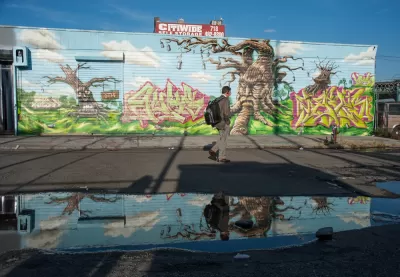
A new series on gentrification from The Guardian—"Gentrified World"—explores the urban economic process as a global phenomenon. From the inaugural piece:
This Guardian Cities series will examine the consequences of gentrification around the world, and interrogate what is being done to tackle it. From Vancouver’s pioneering gentrification tax to the efforts of a tenants’ cooperative in Brooklyn, from housing evictions in Johannesburg to the impact of Airbnb in Amsterdam, we will hear from groups on both sides of the regeneration machine about the impacts, challenges and tactics being deployed on this ever-shifting battleground.
The piece breaks down the conflicting popular narratives around gentrification, or "trickle-down regeneration," ultimately noting:
Your opinion might depend on which side of the property-owning chasm you are on, and the respective consequences: an uplift in the value of your assets, or an increase in the rent you must pay to stay. In all cases, the winners are the landowners, who profit handsomely from the unearned income of neighbourhood improvement.
Author Oliver Wainwright jumpstarts the discussion with his own contribution to the debate, citing Adam Smith and Milton Friedman:
My own view is that the best solution to mitigate the impact of the almost inevitable tide of urban gentrification is a tax on the value of land, which would capture the value of improvements for the local community, rather than lining the pockets of investors.
FULL STORY: Gentrification is a global problem. It's time we found a better solution

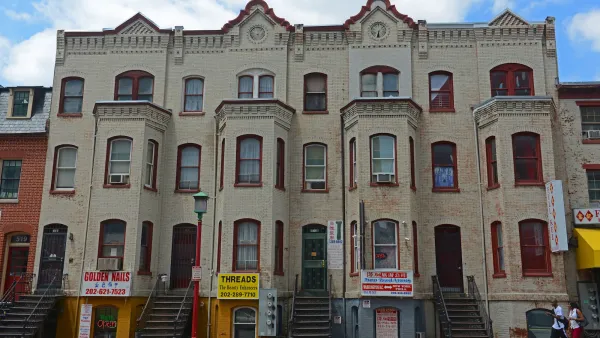
Is this the first wave of de-gentrification?
Valencia, Temescal, H Street and the fickle fortunes of the gentrified neighborhood.
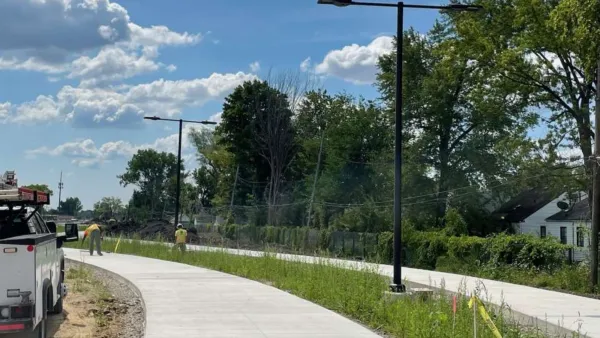
Detroit greenway brings revival — and fears of displacement
The planned Joe Louis Greenway is already bringing change to the neighborhoods near it.
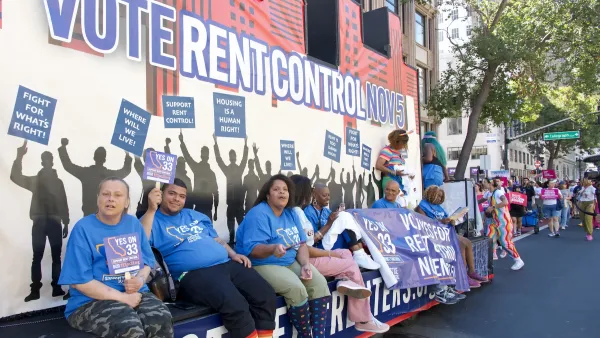
Oakland residents fear AI-fueled gentrification
The new tech boom that's driving up rents in San Francisco could have rippling impacts on East Bay communities.

Planetizen Federal Action Tracker
A weekly monitor of how Trump’s orders and actions are impacting planners and planning in America.

The state-sanctioned urbicide of Austin
People don’t kill cities. Freeways do.

US to reduce Colorado River water deliveries to Mexico
A new Colorado Treaty amendment reduces Mexico’s Colorado River water allocation by 250,000 acre feet.

Baltimore to break ground on $50 million Transit Priority Project
The project will bring faster bus trips, safer streets and better bike connections to Baltimore.

Airbnb launches $250 million 'last-dollar financing' housing accelerator, makes first investment in Austin
The company will put $6.4 million towards affordable housing development in Texas’ capital.

Guerilla urbanists are building DIY bus stop benches in Chicago
A before-and-after of one of the bus stops with a new bench. The new benches are not officially sanctioned or permitted, but the residents who placed them hope they will be the start of a network of DIY benches across the city.

FREE Course: Walkable City 1: Why Walkability?
After describing his path towards focusing on walkability as the essence of good planning, Jeff Speck marches through his five principal reasons for making more walkable places.
Reinventing Malls: Planning Alchemy—Turning Gray Fields Into Gold
The course focuses on the opportunities and imperatives that shape reinvention of mall sites.

Eagle County Government
Harvard University Graduate School of Design
Nashville Planning Department
The Architects Foundation
University of Cincinnati Online
The Pocatello Development Authority
The Urban Renewal Agency of the City of Pocatello
Journal of the American Planning Association