Geographers publish results of a two-year study on declining cities around the country in a new book, "Shrinking Cities: Understanding Urban Decline in the United States."


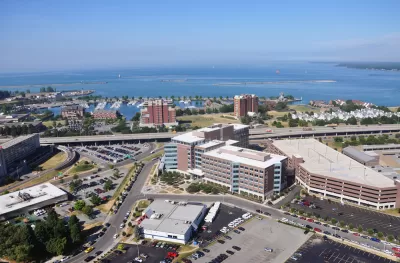
In a new book published this August, four geographers set out to investigate shrinking American cities. One of these professors, Sharmistha Bagchi-Sen, spoke to Johnny Magdaleno of Next City about project and its investigations of the different causes of decline and the efforts to stem the loss of people and resources from once thriving cities.
Magdaleno writes, "Two of the book’s key findings: The Rust Belt (particularly Michigan and Ohio) is the epicenter of cities in decline, but it’s not the sole region, as more and more cities west of the Mississippi River report dwindling populations. And the communities who still call these census tracts home were more likely to be impacted by poverty, unemployment and other crippling socioeconomic issues."
Beyond the locations and causes of urban blight, the author also looks at some of the strategies employed to stem these declines, particularly in cities like Youngstown, Detroit, and Buffalo, where Bagchi-Sen lives and teaches.
Read the full story: Geographers Studied Shrinking U.S. Cities for Two Years

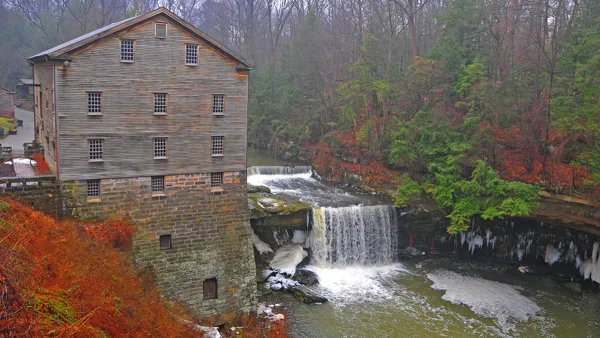
Lessons for Shrinking Cities from Youngstown, Ohio
The city of Youngstown, Ohio has lost 60 percent of its population since the 1960s. The Youngstown 2010 plan attempted to redevelop a new, smaller city, but how well has it accomplished its goals so far?
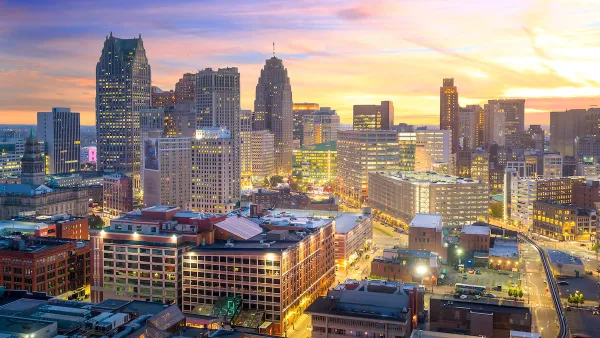
Detroit and Michigan on the Upswing
It's been 66 years since the Motor City last grew its population. Census data released last month revealed an increase of nearly 2,000 people last year, nearly half the state's population growth.
Economic Recovery in Legacy Cities
Americans living in legacy cities face a unique set of challenges and opportunities in recovering from the COVID-19 pandemic. Several local, state, and federal support strategies could aid these cities in recouping losses.

Planetizen Federal Action Tracker
A weekly monitor of how Trump’s orders and actions are impacting planners and planning in America.

California plans to bury El Niño’s downpour
If the state plays its cards right, it may be able to store a billion acre-feet of El Niño’s water in aquifers.

Chicago breaks ground on $3 billion megadevelopment
The new neighborhood, titled Foundry Park, will one day host 3,700 residences.

Satanic Place Names
From streams and lakes to valleys and canyons, I mapped more than 1,000 places named after the Devil.

California High-Speed Rail Authority CEO resigns after $600,000 scandal
Under Ian Choudri, the authority used taxpayer dollars to fund first class flights and trips to nightclubs.

Want to study the Missouri River? Soon, you may need unanimous approval from 10 states
Legislation would require 10 governors’ permission to study or build projects moving water outside the basin.

FREE Course: Walkable City 1: Why Walkability?
After describing his path towards focusing on walkability as the essence of good planning, Jeff Speck marches through his five principal reasons for making more walkable places.
Reinventing Malls: Planning Alchemy—Turning Gray Fields Into Gold
The course focuses on the opportunities and imperatives that shape reinvention of mall sites.

City of Rosemead
Rutgers University, Edward J. Bloustein School of Planning and Public Policy
One Hundred Miles
Hunter College, City University of New York (CUNY)
The Architects Foundation
University of Cincinnati Online
City of Cambridge
Montrose County
The Pocatello Development Authority