The Trump Campaign made a big play for the carbon industry's votes this week at an event in Pittsburgh.



"Donald Trump promised sweeping deregulation of U.S. gas, oil and coal production as part of an “America-first energy” plan," reports John W. Miller.
Trump laid out his policy proposal for a sweeping deregulation of the energy industry at a conference in Pittsburgh attended by "1,500 gas-industry executives, managers and salespeople."
According to Miller, "the Republican candidate for president said he would lift restrictions on America's 'untapped energy—some $50 trillion dollars in shale energy, oil reserves and natural gas on federal lands, in addition to hundreds of years of coal energy reserves.'"
To list a few of the examples of projects and investments that have failed in the current regulatory and business environment, "Mr. Trump named an $850 million coal export terminal in Washington, a $3 billion Northwest gas pipeline and a $6.8 billion gas-export terminal as examples of the fossil-fuel projects that have been rejected by regulators or withdrawn by supporters since 2012."
Miller contrasts Trump's campaign promise with the platform of his opponent, Hillary Clinton, and the previous administration of President Barack Obama.
FULL STORY: Donald Trump Promises Deregulation of Energy Production

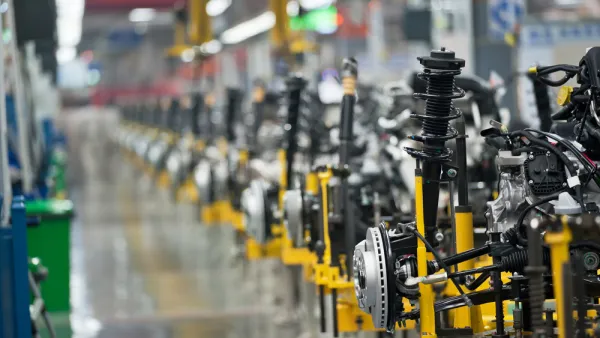
Auto Industry Reluctant to Support Trump Plan to Freeze Fuel Economy Standards
The auto industry appears to be balking at supporting the Trump administration's plan to freeze vehicle emission standards at 2020 levels even though they initially asked Trump to loosen the rigorous Obama-era fuel efficiency rule that goes to 2026.
The Far-Reaching Consequences of Remaking the Mercury Emissions Rule
The EPA intends to review the rulemaking process behind the mercury rule, the subject of a landmark Supreme Court ruling in 2015, to place more value on a rule's compliance cost to industry and less to its beneficial impact on human health.
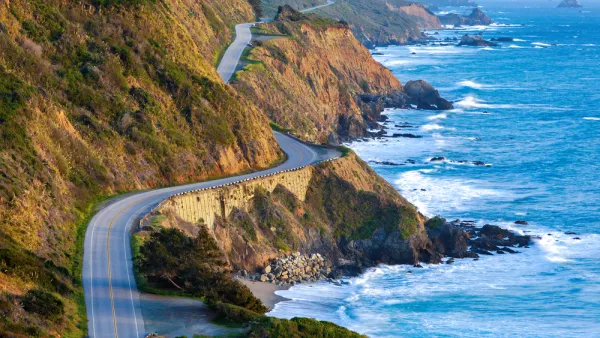
California Counties, City Sue Fossil Fuel Industry Over Sea Level Rise
Faced with "mounting costs" due to the impacts of climate change, a collection of coastal communities in California have taken legal action against the fossil fuel industry.

The state-sanctioned urbicide of Austin
People don’t kill cities. Freeways do.

US to reduce Colorado River water deliveries to Mexico
A new Colorado Treaty amendment reduces Mexico’s Colorado River water allocation by 250,000 acre feet.

New Jersey’s second-largest city bans standalone data centers
Jersey City will continue to allow co-location facilities, such as those meant for research institutions that store their own data.

Amtrak not solely to blame for New Jersey commuter rail's unreliability, report finds
A new study from the Garden State Initiative found that NJ Transit’s budget grew 20% across a 4 year period, but reliability declined significantly over the same period.

EPA erases limits on planet-warming pollution from power plants
Under Monday’s plan, power plants would still have some limits on how much mercury, arsenic and other contaminants they can emit.

Phoenix announces new on-demand transit service, more frequent RAPID buses
Both new services will launch in October, and are part of Phoenix's Project Effective Access Solutions for Easing Congestion.

FREE Course: Walkable City 1: Why Walkability?
After describing his path towards focusing on walkability as the essence of good planning, Jeff Speck marches through his five principal reasons for making more walkable places.
Reinventing Malls: Planning Alchemy—Turning Gray Fields Into Gold
The course focuses on the opportunities and imperatives that shape reinvention of mall sites.

Eagle County Government
Harvard University Graduate School of Design
Nashville Planning Department
The Architects Foundation
University of Cincinnati Online
The Pocatello Development Authority
The Urban Renewal Agency of the City of Pocatello
Journal of the American Planning Association