The light rail extension opened May 20 and is already 70 percent toward meeting its 2030 ridership projection. According to a survey conducted in June by Metro, more than two-thirds of riders were new to the Expo Line.


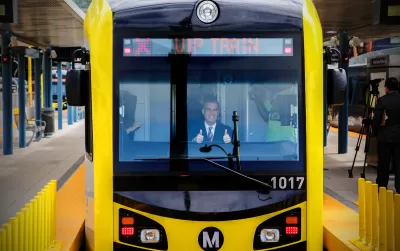
As posted in June, ridership is soaring on Metro's two new light rail line extensions on the Gold and Expo lines. A survey of 1,000 riders that Metro conducted in June on Expo Phase 2, i.e., the new, 6.6-mile, seven-station extension from Culver City Station to Downtown Santa Monica Station, was posted in Metro's transit blog, The Source, on Sept. 12.
Phase 2 includes new stations at:
- Palms
- Westwood/Rancho Park
- Expo/Sepulveda
- Expo/Bundy
- 26th St./Bergamot
- 17th St./SMC
- Downtown Santa Monica
Metro found 70 percent of riders between Culver City and Santa Monica "were new to the Expo Line," reports Meghan McCarty who covers commuting and mobility issues for KPCC, Southern California Public Radio. "Of the new riders, nearly half used to drive alone while 23 percent had switched from bus service."
Light rail cars needed, not more parking spaces for motor vehicles
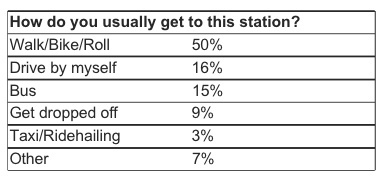
All that early talk about insufficient parking at stations that caused neighbors to fear an inundation of commuters parking on residential streets proved to be unfounded, at least for now. Judging from how new riders are accessing the stations, according to the survey, crowded sidewalks and bike lanes may be more of a concern.
Credit: Metro via The Source
However, "[r]iders who access the Expo Line by driving alone to stations do so at a higher rate, 16 percent, compared to Metro riders as a whole at 5 percent," adds McCarty, though they "have not overwhelmed the three new parking lots along the line. Metro reported in July the new lots are only 30 to 50 percent full on most days."
What's plaguing Metro is not a shortage of parking spots but a shortage of cars, light rail cars, that is, on the Expo Line, "due to manufacturing delays," reports McCarty.
But officials have promised that enough new cars will be in service by December to allow trains to run every six minutes during peak hours. They now run about every 12 minutes or more.
"Seasoned riders and transit newcomers have griped about cars so jammed during peak hours that there is no room for bicycles, wheelchairs or, at some stations, any more passengers," reported Laura J. Nelson for the Los Angeles Times. Nelson explains what went wrong, with Metro first ordering rail cars from AnsaldoBreda, an Italian firm, then Osaka-based Kinkisharyo International, to be manufactured in Palmdale.
Hat tip to Mike Bullock.
FULL STORY: Metro says Expo Line to Santa Monica converted solo drivers to transit users

Weekend ridership on LA's D Line surged 80% after extension opened
World Cup attendees took roughly 45,000 rides to and from the first two games at the Los Angeles Stadium.
Fewer Women Riding Buses in Los Angeles
In a survey, riders expressed concern about safety, cleanliness, and timeliness on the region’s buses and trains.
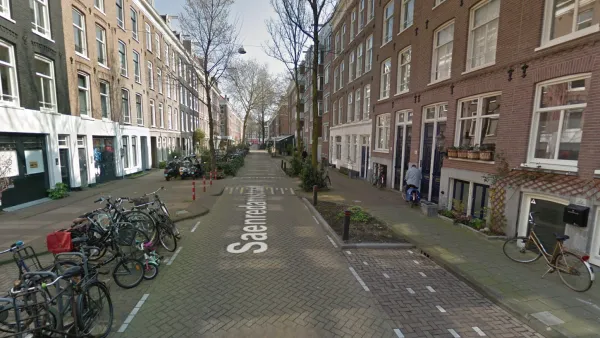
Watch: How to Remove Thousands of Parking Spaces
What the city of Amsterdam will gain by removing cars from on-street parking space.

The state-sanctioned urbicide of Austin
People don’t kill cities. Freeways do.

US to reduce Colorado River water deliveries to Mexico
A new Colorado Treaty amendment reduces Mexico’s Colorado River water allocation by 250,000 acre feet.

New Jersey’s second-largest city bans standalone data centers
Jersey City will continue to allow co-location facilities, such as those meant for research institutions that store their own data.

Amtrak not solely to blame for New Jersey commuter rail's unreliability, report finds
A new study from the Garden State Initiative found that NJ Transit’s budget grew 20% across a 4 year period, but reliability declined significantly over the same period.

EPA erases limits on planet-warming pollution from power plants
Under Monday’s plan, power plants would still have some limits on how much mercury, arsenic and other contaminants they can emit.

Phoenix announces new on-demand transit service, more frequent RAPID buses
Both new services will launch in October, and are part of Phoenix's Project Effective Access Solutions for Easing Congestion.

FREE Course: Walkable City 1: Why Walkability?
After describing his path towards focusing on walkability as the essence of good planning, Jeff Speck marches through his five principal reasons for making more walkable places.
Reinventing Malls: Planning Alchemy—Turning Gray Fields Into Gold
The course focuses on the opportunities and imperatives that shape reinvention of mall sites.

Eagle County Government
Harvard University Graduate School of Design
Nashville Planning Department
The Architects Foundation
University of Cincinnati Online
The Pocatello Development Authority
The Urban Renewal Agency of the City of Pocatello
Journal of the American Planning Association