Through a series of legal maneuvers associated with a coal giant's bankruptcy, the Sierra Club made good on a conservation opportunity worth $2.2 billion and weighing 53 million tons.



Environmental nonprofits like the Nature Conservancy regularly purchase tracts of land to save them from industry and development. But this time, the Sierra Club and its allies made out even better, taking control of a 53 million-ton coal reserve that will now stay in the ground.
The U.S. still sits on massive supplies of coal, but the past several years have seen equally massive setbacks for the coal industry. Faced with regulatory pressures and lawsuits, companies like Alpha Natural Resources face bankruptcy. Those proceedings can give legally-savvy environmentalists a chance to strike.
In this case, a consent decree charged Alpha to complete a $150 million cleanup by 2019. Resource-rich but cash-poor, the company agreed to give up some of its land holdings instead, reserves worth a whole lot more than the cleanup cost. Daniel Gross writes, "The deal offered the nonprofits ownership of the Rostraver reserve, a seam of coal in 35,000 acres of forest and farmland in Westmoreland and Fayette Counties, Pennsylvania, about 30 miles south of Pittsburgh. At today's prices, 53 million tons of Northern Appalachian coal are worth about $2.2 billion."
Gross doubts whether the Sierra Club will be able to pull this off a second time, but it definitely points to a whole realm of possibility for conservationists.
FULL STORY: How the Sierra Club Got Control of a Massive Coal Reserve

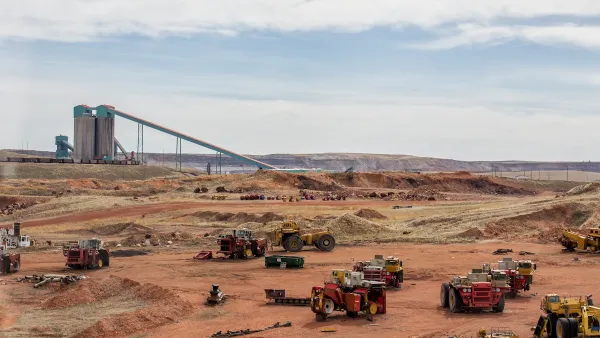
A Win for ‘Keep it in the Ground’
Coal mining in Wyoming will take a major hit as a result of a U.S. Department of Interior plan to cease future leasing of coal mines in the nation's most productive coal mining basin. The decision casts a spotlight on the presidential election.
Michael Bloomberg Launches $500 Million 'Beyond Carbon' Campaign
The "War on Coal" is back, in the form of a new grassroots political campaign bankrolled by Bloomberg Philanthropies to decarbonize power generation by targeting existing coal power plants and halting the growth of natural gas replacements.
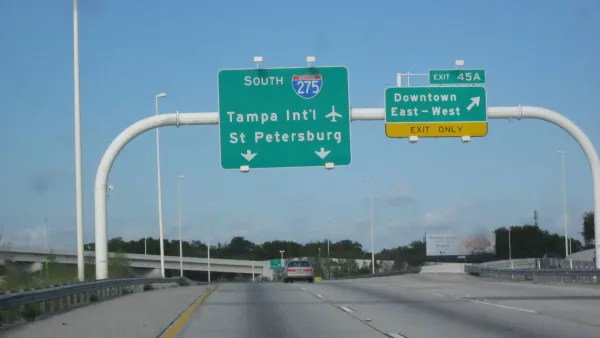
Environmentalists Urge Gov. Ron DeSantis to Veto Florida Toll Roads Bill
Florida has the distinction of having more toll roads than any other state. Environmentalists want Gov. DeSantis (R) to veto a bill that would build three new ones, adding over three hundred miles of asphalt through mostly rural, unpopulated areas.

The state-sanctioned urbicide of Austin
People don’t kill cities. Freeways do.

US to reduce Colorado River water deliveries to Mexico
A new Colorado Treaty amendment reduces Mexico’s Colorado River water allocation by 250,000 acre feet.

New Jersey’s second-largest city bans standalone data centers
Jersey City will continue to allow co-location facilities, such as those meant for research institutions that store their own data.

Amtrak not solely to blame for New Jersey commuter rail's unreliability, report finds
A new study from the Garden State Initiative found that NJ Transit’s budget grew 20% across a 4 year period, but reliability declined significantly over the same period.

EPA erases limits on planet-warming pollution from power plants
Under Monday’s plan, power plants would still have some limits on how much mercury, arsenic and other contaminants they can emit.

Phoenix announces new on-demand transit service, more frequent RAPID buses
Both new services will launch in October, and are part of Phoenix's Project Effective Access Solutions for Easing Congestion.

FREE Course: Walkable City 1: Why Walkability?
After describing his path towards focusing on walkability as the essence of good planning, Jeff Speck marches through his five principal reasons for making more walkable places.
Reinventing Malls: Planning Alchemy—Turning Gray Fields Into Gold
The course focuses on the opportunities and imperatives that shape reinvention of mall sites.

Eagle County Government
Harvard University Graduate School of Design
Nashville Planning Department
The Architects Foundation
University of Cincinnati Online
The Pocatello Development Authority
The Urban Renewal Agency of the City of Pocatello
Journal of the American Planning Association