With the rise of globalization, and urbanization, people are rethinking how cities should be structured in terms of transportation and mobility. Is it possible to reconfigure auto-centric cities into pedestrian-friendly spaces?


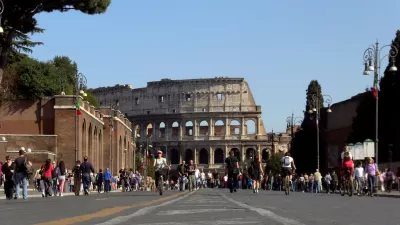
Towards a walking world
An interdisciplinary research team at Arup has spent the last six months exploring this question. The resulting publication, Cities Alive: Towards a Walking World, looks at 80 case studies around the world, identifying 50 benefits of increasing the walkability of cities and 40 actions that could be taken right now to help us reach this goal.
Perhaps most importantly, it describes 50 “drivers of change” — reasons that making cities more walkable should and could happen today. “There are the demographic factors, such as aging populations and shrinking families, leading to an increasing need for social experience to avoid isolation and social exclusion,” said Demetrio Scopelliti, an architect at Arup’s Milan office and the project’s lead researcher.
Read the full story: Walkability reaches a tipping point


The Walking City
What implications does pedestrian activity have on urban design? Creating walkable environments for pedestrians can improve urban conditions according to Arup architect Demetrio Scopelliti. We spoke to him about upcoming research on the topic.
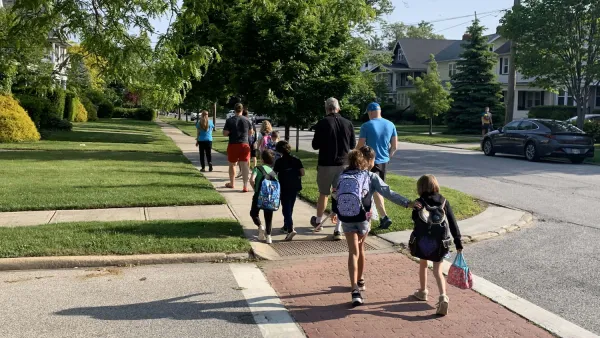
An Ohio School District is Known for its Walkability. A District Overhaul is Jeopardizing That.
Lakewood plans to close some schools and consolidate students to a centralized early education center, eliminating years of work that created safe walking routes to neighborhood schools.
Study: Americans Spending Less Time Interacting in Public Space
American pedestrians are moving faster and spending less time connecting with other people when walking down city streets.

Planetizen Federal Action Tracker
A weekly monitor of how Trump’s orders and actions are impacting planners and planning in America.

Amtrak, CN end decades-long dispute with eight-year agreement
The new operating agreement establishes an updated framework for the companies to work together, including processes to resolve disputes.

Northwest rail fans eager for Sept. 30 debut of Amtrak’s Airo fleet
Get ready for that new train smell and more seats. But they won’t go faster or run more frequently on the Cascades route in Washington and Oregon.

LAX SkyLink opening delayed again, contractor won’t commit to new deadline
The project was supposed to open its doors to the public in 2023.

Caltrain may slash over one-third of its stations
If Bay Area voters reject two transit tax measures, Caltrain, BART and AC Transit will see steep service cuts.

A 'dangerous' precedent: North Carolina successfully pressures communities into voting for toll roads
Two mayors resigned from the Charlotte Regional Transportation Planning Organization after it voted in favor of the toll roads.

FREE Course: Walkable City 1: Why Walkability?
After describing his path towards focusing on walkability as the essence of good planning, Jeff Speck marches through his five principal reasons for making more walkable places.
Reinventing Malls: Planning Alchemy—Turning Gray Fields Into Gold
The course focuses on the opportunities and imperatives that shape reinvention of mall sites.

City of Thousand Oaks
City of Wisconsin Rapids
Harvard University Graduate School of Design
The Architects Foundation
University of Cincinnati Online
The Pocatello Development Authority
The Urban Renewal Agency of the City of Pocatello