Resilience, as such, isn't a problem. But Alex Beam takes issue with the current flood of resilience-related jargon. Can you blame him?


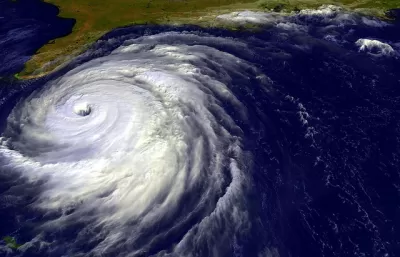
Alex Beam has a problem with "resilience," as in the cottage industry that has sprung up around that concept. "Resilience means the ability to bounce back after adversity," a simple trait that most people, and most cities, possess to a certain degree. But what about the constant talk of resilience, so often turning it into some undefined holy grail in the realm of the public good?
Beam highlights the jargony prose that characterizes resilience-speak, no doubt well-intended but lacking in the common sense department. "[The Rockefeller Foundation] is all in on resilience, with a Global Resilience Partnership, the National Disaster Resilience Competition, and the 100 Resilient Cities program, in which Boston is participating. Among the resilience officers' duties, the foundation's website explains, is 'ensuring that the city applies a resilience lens so that resources are leveraged holistically and projects planned for synergy.'"
The point: resilience may be joining "sustainability" as a word that has been done to death. As Beam puts it, "Resilience talk is just a little too glib, a little too modish, a little too nonsensical for my tastes. Americans seem to me like the least resilient people on earth, obsessing over bathroom access and Twitter wars while one-tenth of the planet starves to death. Starbucks ran out of one percent milk? I'm calling my congressman!"
FULL STORY: What’s all this talk about resilience?

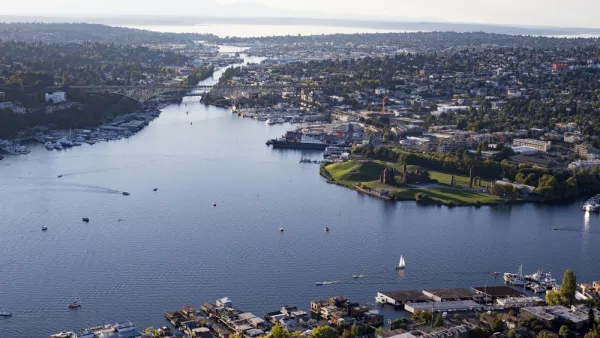
Op-Ed: Seattle Resilience Roadmap Feels 'Retrospective'
Natalie Bicknell notes several deficiencies in the roadmap that resulted from Seattle's participation in the Rockefeller Foundation's now-defunct 100 Resilient Cities program.
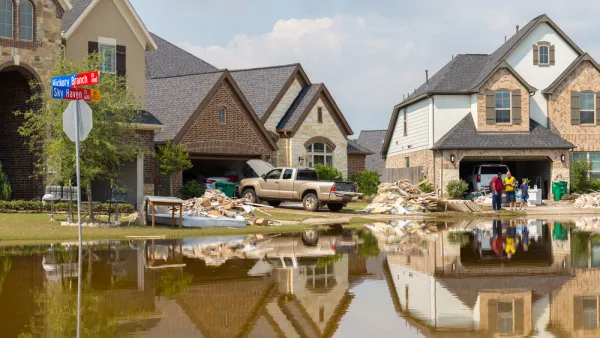
More Detail on What Happened to 100 Resilient Cities
The Rockefeller Foundation has cited costs and a new strategic direction to explain why it abruptly cut off the program this year. While the work may live on in some form, the move underscores the risks of relying on private funding.
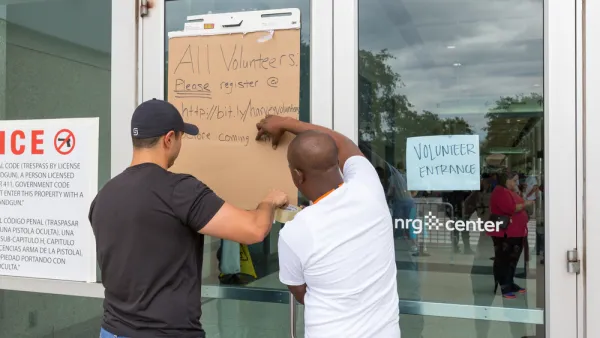
New Resilience Center to Replace 100 Resilient Cities
The new Adrienne Arsht-Rockefeller Foundation Resilience Center will build on the earlier work of the 100 Resilient Cities program.

The state-sanctioned urbicide of Austin
People don’t kill cities. Freeways do.

US to reduce Colorado River water deliveries to Mexico
A new Colorado Treaty amendment reduces Mexico’s Colorado River water allocation by 250,000 acre feet.

New Jersey’s second-largest city bans standalone data centers
Jersey City will continue to allow co-location facilities, such as those meant for research institutions that store their own data.

Amtrak not solely to blame for New Jersey commuter rail's unreliability, report finds
A new study from the Garden State Initiative found that NJ Transit’s budget grew 20% across a 4 year period, but reliability declined significantly over the same period.

EPA erases limits on planet-warming pollution from power plants
Under Monday’s plan, power plants would still have some limits on how much mercury, arsenic and other contaminants they can emit.

Phoenix announces new on-demand transit service, more frequent RAPID buses
Both new services will launch in October, and are part of Phoenix's Project Effective Access Solutions for Easing Congestion.

FREE Course: Walkable City 1: Why Walkability?
After describing his path towards focusing on walkability as the essence of good planning, Jeff Speck marches through his five principal reasons for making more walkable places.
Reinventing Malls: Planning Alchemy—Turning Gray Fields Into Gold
The course focuses on the opportunities and imperatives that shape reinvention of mall sites.

Eagle County Government
Harvard University Graduate School of Design
Nashville Planning Department
The Architects Foundation
University of Cincinnati Online
The Pocatello Development Authority
The Urban Renewal Agency of the City of Pocatello
Journal of the American Planning Association