The crisis facing many Fresno renters is nothing new. A history of housing in the city shows how, since the late 19th century, poor housing conditions have been "ingrained in Fresno's culture."



"Fresno’s substandard housing crisis has been in the making since the city’s birth,” the piece in the Fresno Bee begins. “It’s a story of poverty, racism, urban sprawl and neglect."
Like that of so many other American cities, it’s a story propelled in part by racist housing covenants and redlining, and legal responses to these practices that tended to change how, not whether, discrimination was enacted. The city and federal government also attempted to replace substandard housing through public housing in the 1950s and urban renewal projects in the 1960s, some of which sited highways through low-income communities.
By 1992, since discovering that "tearing out blighted areas did not eliminate social problems," the city was found to have ignored more than 1,300 homes with poor health and safety conditions, many in low-income neighborhoods of color.
The history lesson is part of a special report on housing called "Living in Misery."
FULL STORY: Fresno’s long history substandard housing: poverty, sprawl, racism, neglect

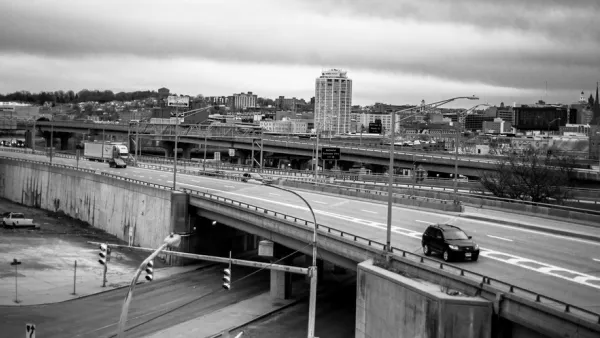
Can Reparations Right the Wrongs Caused by a Highway?
An elevated highway destroyed an African American community in Syracuse, New York. Is just removing it enough?

El Paso Zoning Changes Could Bring Opportunity—or Displacement
Some residents feared proposed zoning reforms aimed at redressing historic injustices could harm residents in the short term.
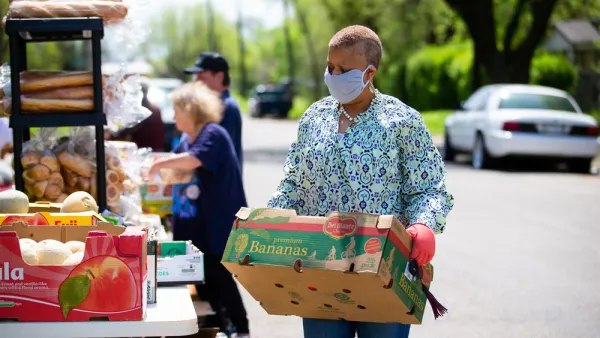
Redlined Neighborhoods Experience High Food Insecurity
A study from Des Moines found that households in historically redlined parts of town are more likely to have to seek help from food pantries.

Planetizen Federal Action Tracker
A weekly monitor of how Trump’s orders and actions are impacting planners and planning in America.

The state-sanctioned urbicide of Austin
People don’t kill cities. Freeways do.

US to reduce Colorado River water deliveries to Mexico
A new Colorado Treaty amendment reduces Mexico’s Colorado River water allocation by 250,000 acre feet.

5 New England states march closer to 800 megawatt wind energy project
Securing federal approval for the project may be complicated under the Trump administration, which has historically been hostile towards domestic wind power.

Baltimore to break ground on $50 million Transit Priority Project
The project will bring faster bus trips, safer streets and better bike connections to Baltimore.

Airbnb launches $250 million 'last-dollar financing' housing accelerator, makes first investment in Austin
The company will put $6.4 million towards affordable housing development in Texas’ capital.

FREE Course: Walkable City 1: Why Walkability?
After describing his path towards focusing on walkability as the essence of good planning, Jeff Speck marches through his five principal reasons for making more walkable places.
Reinventing Malls: Planning Alchemy—Turning Gray Fields Into Gold
The course focuses on the opportunities and imperatives that shape reinvention of mall sites.

Eagle County Government
Harvard University Graduate School of Design
Nashville Planning Department
The Architects Foundation
University of Cincinnati Online
The Pocatello Development Authority
The Urban Renewal Agency of the City of Pocatello
Journal of the American Planning Association