Amid the ubiquitous, and inconsistent, reportage on rising rents and housing prices, a guide from City Observatory helps point readers toward the most accurate numbers.


The urgency of housing costs in the United States prompts the need for facts and figures, and the abundance of online real-estate listings would seem to provide. But as the statistics pile up, it's worth remembering that more numbers doesn't mean good numbers.
Daniel Hertz at City Observatory wrote about the need for journalists and would-be-informed citizens to judge the viability of median rental statistics, and followed up with a guide for assessing the reliability of data and its sources.
The guide compares the practices a few mainstay sources of rental data, like HUD and Zillow, and offers general advice for assessing the myriad other sources a reader could encounter.
One takeaway: A simple average of all available listings may be less straightforward than you think.
According to Hertz, averages may be skewed toward the high end of the rental market for a number of reasons: for instance, low-rent apartments or even whole neighborhoods may be underrepresented on many sites, while high-rent units tend to stay listed, and thus present in the data set, for longer.
Another solid tip: Read the fine print. You may not be able to grade the math in every study, but a serious source should certainly be able to offer an explanation as to how it accounts for the kinds of factors Hertz brings up.
Read the full story: Here’s your definitive field guide to median rent statistics
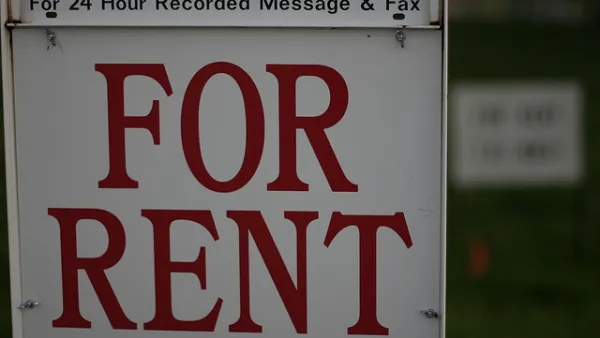
When Discussing Median Rents, Let's Make Sure We Have All the Data
Reports about the median rents rising or falling in a community garner a lot of attention, but it's a good idea to understand where the data is coming from.
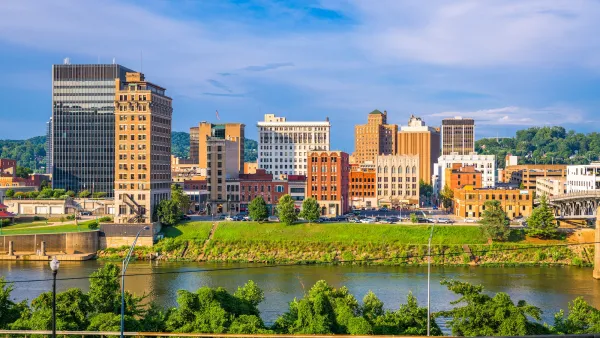
Historically Affordable West Virginia, Minnesota Saw Highest Jumps in Rents
The states typically known for their affordability saw some of the biggest increases in housing costs in the last year.
How Data-Driven Research Is Shaping Sustainable Urban Development
Explore how data-driven research is revolutionizing sustainable urban development, creating smarter, greener, and more resilient cities for the future.

Washington state to charge fee to drivers with fuel-efficient cars
Revenue from the fee will go towards supporting the state’s highways.

Illinois considers spending $1 billion in taxpayer money on data center
A quantum computing campus and data center are currently under construction in Chicago.

Trump to blast ‘hydrocarbon highway’ through ‘world’s longest art gallery’
Environmental and historic preservation groups are suing to stop the project.

NYC, state sue feds over mixed-immigration-status housing assistance rule
The state’s lawsuit argues that the rule change violates the Administrative Procedure Act.

Michigan to turn neighborhood into virtual power plant
Residents will soon be able to divert their excess energy to the grid in exchange for compensation.

Data center, mining project swarm to long-awaited Alaska railroad line
The state-owned railroad approved final plans for the spur line this week; the project is expected to cost $311 million, mostly funded by the federal government

FREE Course: Walkable City 1: Why Walkability?
After describing his path towards focusing on walkability as the essence of good planning, Jeff Speck marches through his five principal reasons for making more walkable places.
Reinventing Malls: Planning Alchemy—Turning Gray Fields Into Gold
The course focuses on the opportunities and imperatives that shape reinvention of mall sites.

City of Charlotte
City of Rosemead
Rutgers University, Edward J. Bloustein School of Planning and Public Policy
University of Michigan School for Environment and Sustainability (SEAS)
Hunter College, City University of New York (CUNY)
The Architects Foundation
University District Partnership