With the sharing economy repurposing and mutating the one-size (and one size only) fits all world of zoning, is it time to jettison our old zoning codes?


Writing in Governing, Bill Fulton finds that zoning as we know it is under attack from the sharing economy, which has seen web sites like AirBnB and Feastly transform residential uses into commercial. While our old zoning codes that traditionally have limited uses are being upended by these types of sites, there is still some value to be had by adhering to the intent of the codes, which was to separate potentially harmful uses from the places people call home.
"But does this mean we should just get rid of zoning altogether? I don’t think we should -- at least not entirely. We still need certain rules on land use segregation, for instance, to make sure that toxic activities don’t take place in residential areas. But the sharing economy surely strengthens the argument for a more market-based approach."
Fulton goes on to note that form based codes may provide a better mesh with the evolving land uses, allowing market forces to thrive while maintaining standards for development.
Read the full story: Why We Shouldn't Let the Sharing Economy Kill Zoning
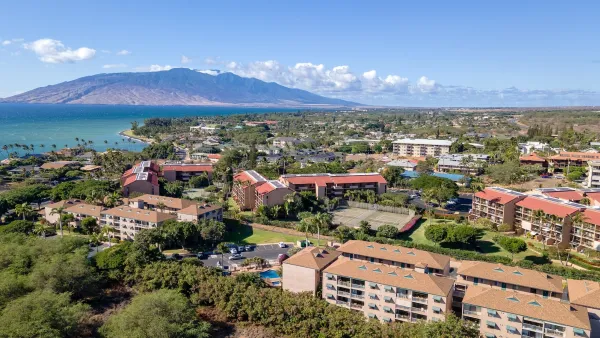
Maui's new hotel zoning districts could grandfather in 4,500 vacation rentals
The council approved a bill creating two new hotel districts.

Over 4,000 Maui Short-Term Rentals in Limbo as County Weighs Next Steps
A new bill will phase out roughly 7,000 vacation rentals, but a proposal to exempt as many as 4,500 stalled in the county council.

Arizona Court Rejects Local Control Over Short-Term Rentals
A judge upheld a 2017 law that prohibits local jurisdictions from limiting Airbnbs and other short-term rentals.

Planetizen Federal Action Tracker
A weekly monitor of how Trump’s orders and actions are impacting planners and planning in America.

California plans to bury El Niño’s downpour
If the state plays its cards right, it may be able to store a billion acre-feet of El Niño’s water in aquifers.

Desperate measures: Advocates weigh draining Lake Powell to fill Colorado River
Draining the reservoir could reduce evaporation losses by a couple hundred thousand acre-feet.

In Texas, data centers are swallowing promised parkland
Residents who moved to Taylor, Texas for a rural community now have to contend with three data centers in their backyard.

How a Chicago-sized wind farm beat the odds and powered on
The project spanned five presidential administrations and a standoff with a U.S. military base.

MTA gives itself 30 days to transform pit into basketball court
The site has been under construction since 2022; the city originally estimated it would finish the court in 2024.

FREE Course: Walkable City 1: Why Walkability?
After describing his path towards focusing on walkability as the essence of good planning, Jeff Speck marches through his five principal reasons for making more walkable places.
Reinventing Malls: Planning Alchemy—Turning Gray Fields Into Gold
The course focuses on the opportunities and imperatives that shape reinvention of mall sites.

City of Rosemead
Rutgers University, Edward J. Bloustein School of Planning and Public Policy
One Hundred Miles
Hunter College, City University of New York (CUNY)
The Architects Foundation
University of Cincinnati Online
City of Cambridge
Montrose County
The Pocatello Development Authority