Patano Studio Architecture is doing double duty as advocate and concept designer for an idea called Seattle C.A.P.


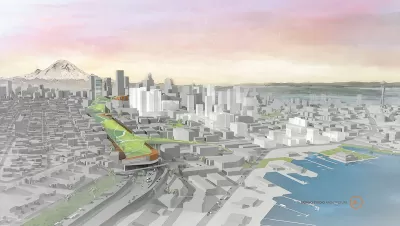
Jen Kinney reports on the details behind an ambitious proposal for a cap park over the I-5 Freeway in Downtown Seattle. The article focuses on the work of Patano Studio Architecture to design and advocate for the so-called Seattle C.A.P. According to Kinney, the designers "see a park atop I-5 solving myriad problems at once: reconnect the severed urban fabric, reduce noise and air pollution, manage stormwater, and create some affordable housing."
Kinney shares renderings of the proposed park, which she describes as a river of trees. Also detailed is the potential for the park to actually be built. "Seattle’s DOT has been receptive, as have other city agencies," writes Kinney, "while the state DOT has generally dismissed the project on basis of further traffic congestion and cost (which Patano estimates at roughly $800 million)."
The Capitol Hill Seattle Blog also provided additional details about the growing support for the cap park plans in December, in connection with a proposed expansion of the adjacent convention center.

Read the full story: Seattle Architect Says the Time Is Right for This Highway-Capping Park Design

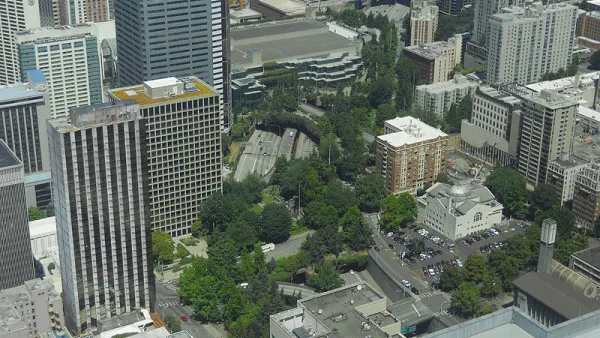
Seattle Plans Remodel of World’s First Freeway Cap Park
The Brutalist design by a famed landscape architect will be preserved, but not without better visibility and improved lighting.
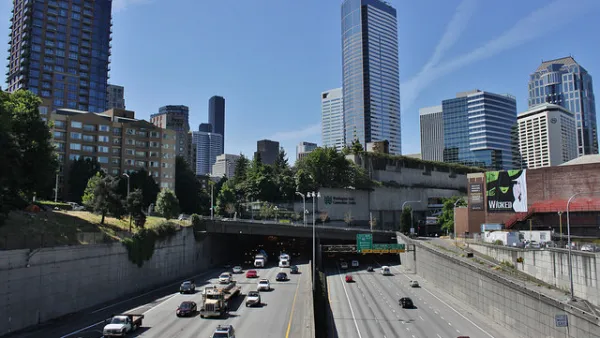
Seattle Residents Angling For New Cap Park Over I-5
As Seattle’s Convention Center expansion moves forward, community members want the public benefit discussion to focus on a new downtown park over I-5.
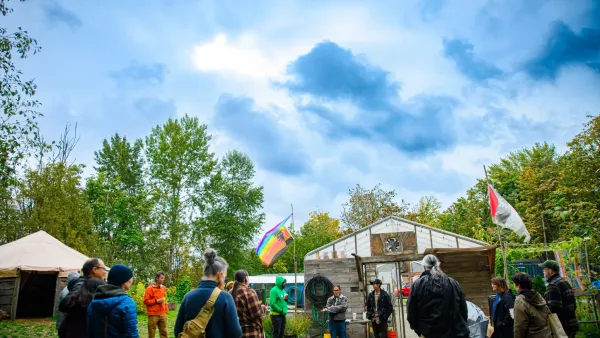
Seattle land ‘rematriated’ to Duwamish Tribe
Volunteer efforts transformed the space from a hazardous waste zone to a community gathering spot.

Planetizen Federal Action Tracker
A weekly monitor of how Trump’s orders and actions are impacting planners and planning in America.

Amtrak, CN end decades-long dispute with eight-year agreement
The new operating agreement establishes an updated framework for the companies to work together, including processes to resolve disputes.

Judges permit Denver to divert 77,000 acre feet from the Colorado River for reservoir expansion
Overuse and climate change have caused the Colorado River’s water levels to plummet.

NYC DOT wants faster, more permanent street upgrades
The city is examining ways to build more concrete infrastructure without getting entangled in 'decades-long' projects.

'Something we’ve never seen before:' rising utility rates could strain city finances nationwide
Data centers, climate change and other factors have caused utility rates in the United States to increase by 38% since 2020.

Trump to overrule local leaders, lease millions of acres of America’s Pacific Island territories’ seafloors to mining companies
International law says that the Indigenous people of America’s territories have a right to prior and informed consent regarding projects that impact their countries.

FREE Course: Walkable City 1: Why Walkability?
After describing his path towards focusing on walkability as the essence of good planning, Jeff Speck marches through his five principal reasons for making more walkable places.
Reinventing Malls: Planning Alchemy—Turning Gray Fields Into Gold
The course focuses on the opportunities and imperatives that shape reinvention of mall sites.

Harvard University Graduate School of Design
KFH Group Inc.
Greater Baltimore Committee
The Architects Foundation
University of Cincinnati Online
The Pocatello Development Authority
The Urban Renewal Agency of the City of Pocatello