At a building industry trade show held last week, the new trend was for houses constructed with extra space for renters or extended family. In other words, depreciation comes standard.


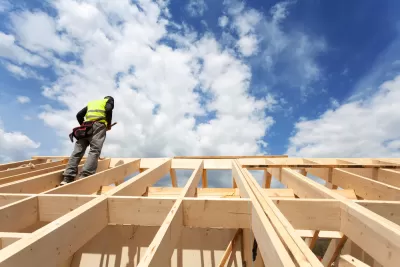
Laura Kusisto provides a dispatch from the International Builders' Show held last week in Las Vegas. In a bit of trendspotting, Kusisto identifies an unexpected design concept that emerged during the show: roommates.
Kusisto focuses on the example of the concept for the New American Home, "that included nontraditional living arrangements to help ease families’ financial burdens." The New American Home is a staple of the show—this one was built by Las Vegas-based developer Element Design Build.
The 5,200-square foot home, perched on a hill overlooking the Vegas skyline, includes a second-floor unit that can house aging parents or recent college grads with shaky employment prospects. If necessary, the home, constructed by local developer Element Design Build, could even accommodate two families pooling their resources.
Another way of looking at the attention paid to configurations that would allow households to double up or even rent extra space: the industry is exhibiting concern for the affordability of houses on the market. Kusisto cites a lot of data about rising prices and additional data and case studies provided by other developers and home builders about the demand for such units in the market.
Read the full story: New U.S. Homes Make Room for Airbnb Crowd
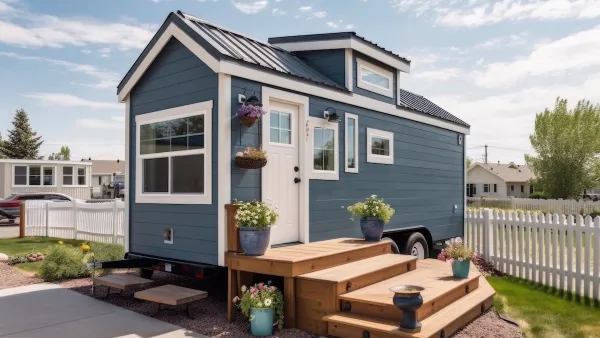
What Happened to the Tiny Homes Revolution?
Tiny homes were one of the hot button topics of the previous decade. In 2023? Not so much.

Short-Term Rentals Continue to Evade Regulations
City leaders around the world are struggling to control the short-term rental market, which many fear is jeopardizing the housing supply and displacing longtime residents.
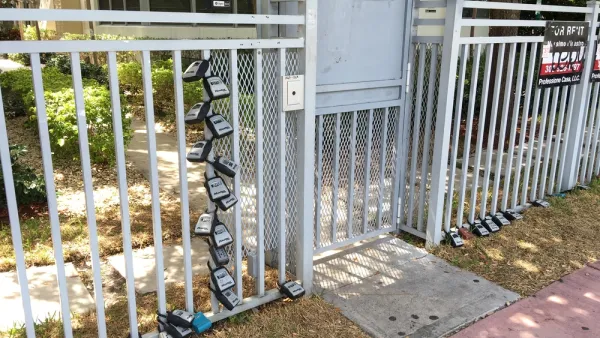
Study: Vacation Rentals Compounding South Florida Housing Crisis
A new study suggests that short-term rentals are contributing to the region’s housing shortage and helping drive up costs for renter households.

Planetizen Federal Action Tracker
A weekly monitor of how Trump’s orders and actions are impacting planners and planning in America.

California plans to bury El Niño’s downpour
If the state plays its cards right, it may be able to store a billion acre-feet of El Niño’s water in aquifers.

Desperate measures: Advocates weigh draining Lake Powell to fill Colorado River
Draining the reservoir could reduce evaporation losses by a couple hundred thousand acre-feet.

Housing is the top priority of Seattle’s sole new councilmember
Jenks campaigned on building 1,000 new units of affordable housing.

New tax cuts may slash $1.5 billion in funding for Miami transit, public parks
Amendment 3 will save Miami-Dade homeowners $2,700 in 2028.

Arizona, Wisconsin, Pennsylvania hope to finally advance climate goals post-midterms
The three states have spent years under Republican or divided control.

FREE Course: Walkable City 1: Why Walkability?
After describing his path towards focusing on walkability as the essence of good planning, Jeff Speck marches through his five principal reasons for making more walkable places.
Reinventing Malls: Planning Alchemy—Turning Gray Fields Into Gold
The course focuses on the opportunities and imperatives that shape reinvention of mall sites.

City of Rosemead
Rutgers University, Edward J. Bloustein School of Planning and Public Policy
One Hundred Miles
University of Michigan School for Environment and Sustainability (SEAS)
Hunter College, City University of New York (CUNY)
The Architects Foundation
City of Cambridge
Montrose County
The Pocatello Development Authority