San Francisco's diesel vehicles have been using a biodiesel blend for years, but in a move that illustrates the differences among biofuels, Mayor Ed Lee announced that the fleet will now use 100 percent renewable diesel fuel.


The switch to renewable diesel is part of the City’s ongoing efforts to reduce emissions in its fleet and combatting climate change. The City started using cleaner forms of diesel fuel by transitioning to a blend of biodiesel. Before the switch to renewable diesel, most of the municipal fleet was using B20, which is 20 percent biodiesel and 80 percent petroleum diesel.
What's the difference between biodiesel and renewable diesel? After all, both are biofuels. According to the press release:
- Renewable diesel is not the same as biodiesel. Both fuels are produced from numerous bio-feedstock sources, including fats, oils and greases, but the two fuels are produced through different processes.
- Renewable diesel uses a hydrogenation process, while biodiesel uses an esterification process. According to the California Air Resources Board (CARB), the full lifecycle emissions of carbon from renewable diesel produced from sustainable sources are more than 60 percent lower than either petroleum or B20 biodiesel.
- Chemically, renewable diesel is indistinguishable from petroleum diesel, and testing has shown it to have engine performance that matches or outperforms both petroleum diesel and biodiesel.
That last bullet is critical as it allows diesel vehicles to use renewable diesel without having to blend it with petroleum diesel as is done with its biofuel cousin, biodiesel. I opted for using "cousin" because its sibling would be renewable jet fuel.
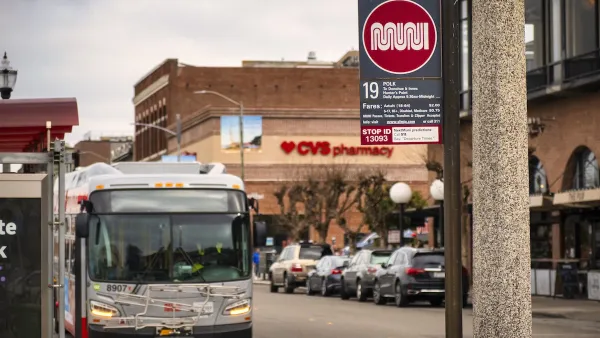
The last to transition within the city diesel fleet is also the biggest user of diesel fuel, the city's buses known as Muni, run by the San Francisco Municipal Transportation Agency.
“This change to renewable diesel reflects the high value that the SFMTA places on sustainability and recognition of our role in addressing climate change through sustainable transportation,” said Director of Transportation Ed Reiskin. “Even though Muni already has one of the greenest bus fleets in the country, we remain committed to making our system even cleaner and more efficient.
"Although renewable diesel is currently more expensive to produce, it qualifies for credits under federal and state programs, allowing renewable diesel to be available at or below the price of conventional petroleum diesel," according to Government Fleet. The carbon intensity of the fuel is very low as measured by CARB's Low Carbon Fuel Standard.
Also attending the two-day West Coast Mayors Summit was Seattle Mayor Ed Murray, Eugene Mayor Kitty Piercy, Los Angeles Mayor Eric Garcetti, and host Portland Mayor Charlie Hales. Day one dealt with homelessness, with a presentation by U.S. Secretary of Housing and Urban Development Julián Castro [see agenda (PDF)]. December 11th was devoted to climate action.
The mayors' pledges on climate action are available here via KOIN 6 News.
Hat tip to KQED News.
FULL STORY: Mayor Lee Announces City’s Fleet Reaches Goal of Eliminating Use of All Petroleum Diesel


A San Francisco bus that serves thousands of students students is getting some upgrades
Students advocated for changes on the #29 bus, which was notorious for its lack of reliability.
San Francisco Muni Sees Highest Ridership Since Start of Pandemic
The SFMTA is improving service at off-peak hours and on weekends to accommodate new travel patterns that rely less on weekday commuters. Ridership has increased accordingly.

San Francisco Seeks Public Input on Post-Pandemic Muni Service
The SFMTA is considering a "high-access network" that would let people reach more destinations and increase frequency on some Muni lines.

Planetizen Federal Action Tracker
A weekly monitor of how Trump’s orders and actions are impacting planners and planning in America.

The state-sanctioned urbicide of Austin
People don’t kill cities. Freeways do.

US to reduce Colorado River water deliveries to Mexico
A new Colorado Treaty amendment reduces Mexico’s Colorado River water allocation by 250,000 acre feet.

5 New England states march closer to 800 megawatt wind energy project
Securing federal approval for the project may be complicated under the Trump administration, which has historically been hostile towards domestic wind power.

Baltimore to break ground on $50 million Transit Priority Project
The project will bring faster bus trips, safer streets and better bike connections to Baltimore.

Airbnb launches $250 million 'last-dollar financing' housing accelerator, makes first investment in Austin
The company will put $6.4 million towards affordable housing development in Texas’ capital.

FREE Course: Walkable City 1: Why Walkability?
After describing his path towards focusing on walkability as the essence of good planning, Jeff Speck marches through his five principal reasons for making more walkable places.
Reinventing Malls: Planning Alchemy—Turning Gray Fields Into Gold
The course focuses on the opportunities and imperatives that shape reinvention of mall sites.

Eagle County Government
Harvard University Graduate School of Design
Nashville Planning Department
The Architects Foundation
University of Cincinnati Online
The Pocatello Development Authority
The Urban Renewal Agency of the City of Pocatello
Journal of the American Planning Association