"There is just too much to learn," from open streets events, says Philadelphia Inquirer Architecture Critic Inga Saffron.


According to a column by Inga Saffron (and professional planners might be happy to hear this), "urban planners are starting to pile up the wins. They've introduced amenities that encourage the slow-movers - things like sidewalk cafes, parklets, bike lanes, and riverfront trails. It's no accident that the emphasis on people-friendly attractions has coincided with the greatest urban revival since American cities crashed in the 1960s."
That remarkable summation of the current zeitgeist in American planning comes courtesy of Saffron's take on the open streets movement's latest in-roads in Philadelphia. In fact, Saffron sees open streets as a way for Philadelphia to make even more substantive contributions in the advancement of people-first planning.
Saffron's column counters the predictable outcry from the "car-first lobby," which has already commenced with berating the idea of car-free days in Philadelphia's Central City, following the accidental model provided by Pope Francis's recent visit to the city. To counter the apocalyptic future imagined by such naysayers, Saffron provides a more sober explanation of the current proposals for open streets events in Philadelphia as well as some of the benefits such an event could bring to the city. One potential benefit would follow the example of Atlanta in gaining new understanding about the city's traffic needs.
Read the full story: Changing Skyline: Why Open Streets is not the apocalypse
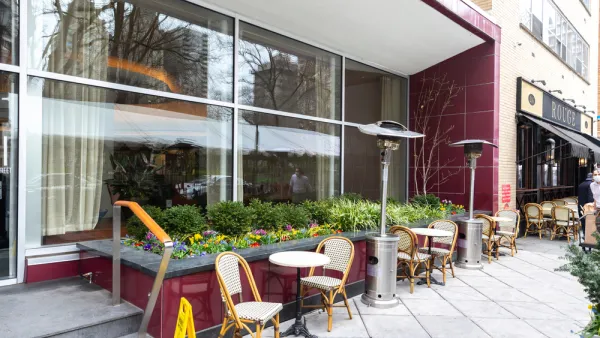
New Philadelphia Outdoor Dining Laws Exclude Most Restaurants
Restaurant owners argue that new requirements for the city’s permanent outdoor dining program are practically impossible for most of them to meet.
Neighborhood Rezoning Proposal at Odds With Philadelphia's Comprehensive Plan
While planning departments around the country make news for removing exclusionary zoning and parking requirements, many neighborhoods still show a strong preference for parking minimums and development limits. Case in point: Germantown, Philadelphia.
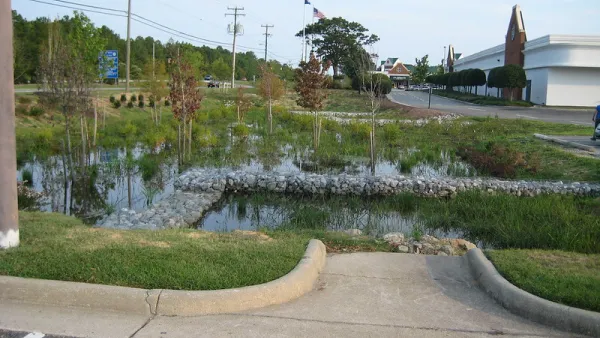
FYI about GSI: The Recipe for Green Stormwater Infrastructure Success
New research highlights some of the ways planners can increase the social benefits and public acceptance of green stormwater infrastructure.

Planetizen Federal Action Tracker
A weekly monitor of how Trump’s orders and actions are impacting planners and planning in America.

California plans to bury El Niño’s downpour
If the state plays its cards right, it may be able to store a billion acre-feet of El Niño’s water in aquifers.

Desperate measures: Advocates weigh draining Lake Powell to fill Colorado River
Draining the reservoir could reduce evaporation losses by a couple hundred thousand acre-feet.

US buildings threatened, destroyed by fires set to triple by 2060
Researchers found a high fire risk for socioeconomically vulnerable neighborhoods in the American West.

LA residents may be allowed to paint their own crosswalks
Councilwoman Katy Yaroslavsky put out a motion instructing the Los Angeles Department of Public Transportation to study the feasibility of allowing volunteers to paint crosswalks.

Dallas moves to overhaul its zoning code
The city's zoning reform will allow more multi-family and mixed-use developments.

FREE Course: Walkable City 1: Why Walkability?
After describing his path towards focusing on walkability as the essence of good planning, Jeff Speck marches through his five principal reasons for making more walkable places.
Reinventing Malls: Planning Alchemy—Turning Gray Fields Into Gold
The course focuses on the opportunities and imperatives that shape reinvention of mall sites.

City of Rosemead
Rutgers University, Edward J. Bloustein School of Planning and Public Policy
One Hundred Miles
Hunter College, City University of New York (CUNY)
The Architects Foundation
University of Cincinnati Online
City of Cambridge
Montrose County
The Pocatello Development Authority