A ballot decision in November will determine whether San Francisco can sell $310 million in bonds to pay for affordable housing. The proposal coincides with Mayor Ed Lee's campaign for re-election.


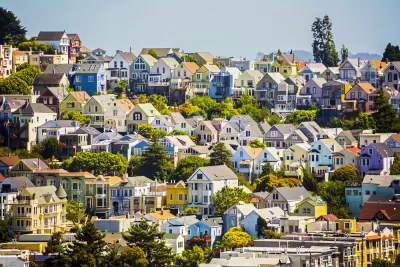
It's no secret that housing is particularly unaffordable in San Francisco. "The median asking price for a San Francisco one-bedroom apartment is $3500, $400 more than in New York, the second most-expensive city, according to a report this month by Zumper, an online listing service. In June, the median price of a home was $1.14 million."
Widespread dissatisfaction with those astronomical prices will have political fallout. "Mayor Ed Lee, under pressure to deal with the soaring cost of living as he runs for re-election, is backing a partial fix: a $310 million debt sale to build affordable housing that will go before voters in November."
"If approved by two-thirds of voters, the bonds would be used to advance Lee's effort to build and renovate 30,000 homes over the next five years."
The proposal contradicts a downward trend in municipal debt sales to build housing. "It may revive interest in the bonds as mayors from New York to Seattle seek to add homes for lower-income residents as real estate prices climb."

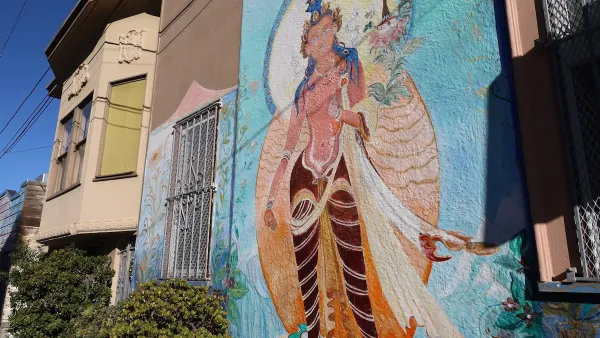
How a San Francisco Land Trust is Preserving Affordable Housing for Artists
The Artist Space Trust has received $10 million in properties bequeathed by artists that will become permanently affordable housing.
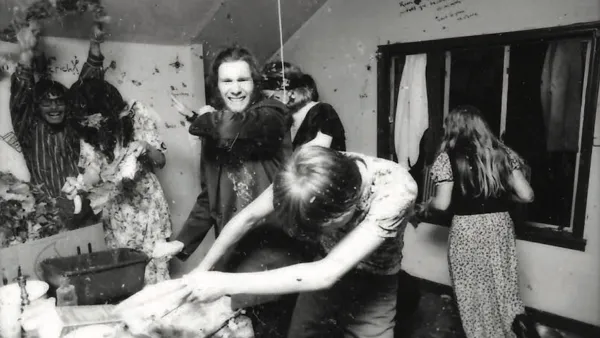
San Francisco is in a “Doom Loop.” A Legendary Artist and Burning Man Founder Knows how to Revive it.
Artists made San Francisco what it was. They might just be the key to its future.
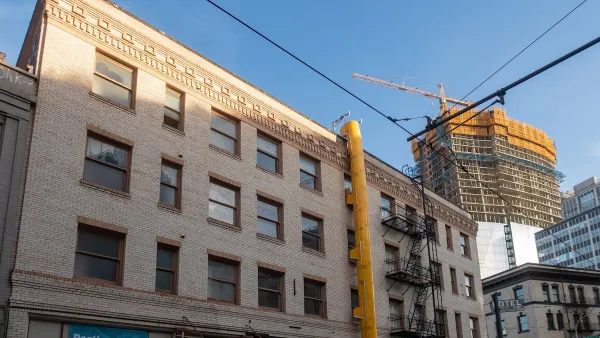
Portland Housing Bond Created Nearly 5,000 Units, But Affordability Remains Out of Reach
Despite better-than-expected results from multiple local housing bonds, housing costs and homelessness remain top of mind for many Oregonians.

The state-sanctioned urbicide of Austin
People don’t kill cities. Freeways do.

US to reduce Colorado River water deliveries to Mexico
A new Colorado Treaty amendment reduces Mexico’s Colorado River water allocation by 250,000 acre feet.

New Jersey’s second-largest city bans standalone data centers
Jersey City will continue to allow co-location facilities, such as those meant for research institutions that store their own data.

Amtrak not solely to blame for New Jersey commuter rail's unreliability, report finds
A new study from the Garden State Initiative found that NJ Transit’s budget grew 20% across a 4 year period, but reliability declined significantly over the same period.

EPA erases limits on planet-warming pollution from power plants
Under Monday’s plan, power plants would still have some limits on how much mercury, arsenic and other contaminants they can emit.

Phoenix announces new on-demand transit service, more frequent RAPID buses
Both new services will launch in October, and are part of Phoenix's Project Effective Access Solutions for Easing Congestion.

FREE Course: Walkable City 1: Why Walkability?
After describing his path towards focusing on walkability as the essence of good planning, Jeff Speck marches through his five principal reasons for making more walkable places.
Reinventing Malls: Planning Alchemy—Turning Gray Fields Into Gold
The course focuses on the opportunities and imperatives that shape reinvention of mall sites.

Eagle County Government
Harvard University Graduate School of Design
Nashville Planning Department
The Architects Foundation
University of Cincinnati Online
The Pocatello Development Authority
The Urban Renewal Agency of the City of Pocatello
Journal of the American Planning Association