Incomplete projects proposed in the Transportation Infrastructure Model for Economic Development plan have saddled Louisiana with increasing debt and less money for maintenance.


Will Sentell reports on the ongoing financial burden presented by the state of Louisiana's Transportation Infrastructure Model for Economic Development (TIMED), approved by voters in 1989. "TIMED was supposed to be a pay-as-you-go road and bridge building plan, including construction of the John James Audubon Bridge, which links New Roads and St. Francisville," writes Sentell. "But 26 years later, two of the 16 projects remain undone — both in the New Orleans area. Those two are anywhere from seven to 10 years away from being finished…"
With that work unfinished, state legislators are getting creative in finding the funding necessary to complete those projects as their price tags increase. In fact, " the state is grabbing an increasing share of the 16-cents-per-gallon gasoline tax that is supposed to finance transportation improvements in Baton Rouge, New Orleans and elsewhere," according to Sentell.
This year, one cent of the state's 16-cent gas tax will be required to pay TIMED debt, but similar grabs "will be needed for the next 27 years" according to the state Department of Transportation and Development.
The article includes a lot more detail into how the projects, and the TIMED plan, went wrong.
Hat tip to Tanya Snyder for sharing the article.
Read the full story: 26 years later, uncompleted road plan helps shape Louisiana transportation spending

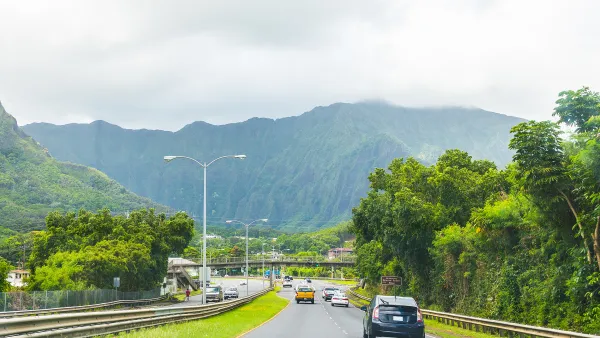
Hawaii Could Implement Road Usage Charge
The tax would apply to electric vehicles, which avoid the state’s gas tax and are a growing percentage of cars on the road.
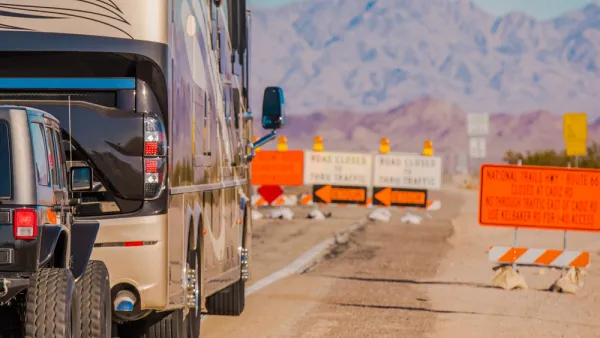
Constitutional Amendment Would Shift Some Gas Tax Revenue to Transit Spending in Nevada
Democratic legislators in Nevada are considering a constitutional amendment that would allow the state to use gas tax revenues for transportation projects other than road construction, maintenance, and repair.
Depaving Rural American Roads-Literally
Rather than being part of a car liberation or permeable pavement movement, poorly maintained county roads are having their asphalt ground into gravel as a cost-cutting measure to avoid costly road reconstruction. Lack of funding is the cause.

Planetizen Federal Action Tracker
A weekly monitor of how Trump’s orders and actions are impacting planners and planning in America.

The state-sanctioned urbicide of Austin
People don’t kill cities. Freeways do.

US to reduce Colorado River water deliveries to Mexico
A new Colorado Treaty amendment reduces Mexico’s Colorado River water allocation by 250,000 acre feet.

Nation's most wind-powered state turns to coal as data centers increase energy demand
For the first time in decades, Iowa has increased its generation of coal power.

NYC cools commuters with city's first rain garden above a bus stop
New York City officials say the plants in the rain garden can absorb 16 gallons of rainwater during heavy storms.

Brightline West’s future may rely on $6 billion federal loan
The company has until Nov. 2 to make a $400 million equity investment into its proposed high-speed rail line.

FREE Course: Walkable City 1: Why Walkability?
After describing his path towards focusing on walkability as the essence of good planning, Jeff Speck marches through his five principal reasons for making more walkable places.
Reinventing Malls: Planning Alchemy—Turning Gray Fields Into Gold
The course focuses on the opportunities and imperatives that shape reinvention of mall sites.

Greater Baltimore Committee
Eagle County Government
Harvard University Graduate School of Design
The Architects Foundation
University of Cincinnati Online
The Pocatello Development Authority
The Urban Renewal Agency of the City of Pocatello
Journal of the American Planning Association