Some people dream of jet packs, others dream of using a smartphone to navigate between transit systems and modes without needing to stop to buy a new fare card.


"American researchers, nonprofits, and high-tech startups are currently pushing for digitally integrated transit systems for a more streamlined passenger experience, with promises of cost savings for both riders and operators, and other quality of life improvements," according to an article by Julian Spector.
Spector goes on to detail the types of technology in development that could start to bridge the gaps necessary to provide universal fare card service in the United States. Systems like RideScout are making the first forays into providing multi-modal trip options, while others like GlobeSherpa (recently purchased by RideScout) are providing secure ticketing services.
Still, U.S. transit systems are behind the curve on universal fare cards—cities in Japan and the Netherlands, as well as Hong Kong, provide passes that allow users to switch modes from rail, bus, taxi, and more.
Read the full story: Coming Soon to America: One Fare Card for All Transit

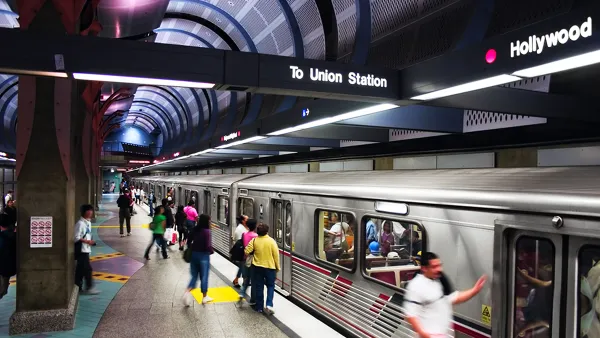
One Fare Card for All 26 Transit Agencies in Los Angeles County
Los Angeles County has dreamed the impossible dream—and will now provide transit access to all of its transit agencies with the use of one fare card.
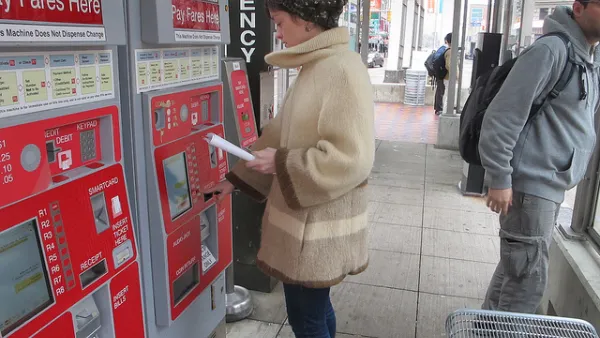
The Benefits of Transit Fare Capping
There's more than one way to incentive transit ridership with fare capping.
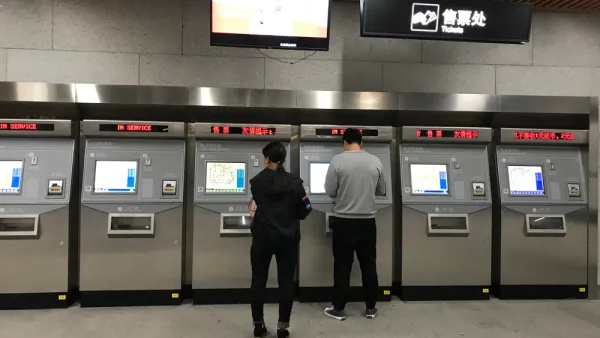
In China, One Transit Card for 260 Cities
A single fare card grants access to public transit rides in 260 Chinese cities.

Planetizen Federal Action Tracker
A weekly monitor of how Trump’s orders and actions are impacting planners and planning in America.

‘Going backwards:’ Baltimore mayor, students rally against state's transit funding plan
Maryland's proposed six-year plan provides no funding for Baltimore’s BMORE bus program and reduces its road maintenance funding.

Detroit to transform waterfront with $2.2 billion investment
Developers will convert about 18 acres of unused parking lot space into civic spaces.

HUD modernizes 50-year-old manufactured housing framework
The Next Generation Manufactured Housing Action Plan establishes new energy-efficiency standards for manufactured homes, and new guidelines for anchoring them.

New CA housing laws tear down development red tape
Recently-signed legislation makes building starter homes and ADUs cheaper and faster in California.

Metrolink finishes first expansion in 20 years
The transit agency is now one of very few in the United States to connect two major airports.

FREE Course: Walkable City 1: Why Walkability?
After describing his path towards focusing on walkability as the essence of good planning, Jeff Speck marches through his five principal reasons for making more walkable places.
Reinventing Malls: Planning Alchemy—Turning Gray Fields Into Gold
The course focuses on the opportunities and imperatives that shape reinvention of mall sites.

One Hundred Miles
County of Mendocino
planning NEXT
The Architects Foundation
University of Cincinnati Online
Montrose County
Northern Illinois Transit Authority (NITA)
The Pocatello Development Authority