As the nation becomes more racially diverse, so too do the suburbs.



In his new book, William H. Frey maps out a shifting American identity, where the traditional sameness of the suburbs is replaced by a growing diversity of families of color. In this post, adapted from his book, Diversity Explosion, he zeros in on the movement of white residents of the 100 largest metropolitan areas. Driven by economic changes—rising costs of living in coastal cities and economic declines in northern industrial towns—whites are moving to cheaper and more prosperous cities and suburbs of the South, such as the Sun Belt areas in and around Austin and Phoenix.
Suburbs across the country reflect the country’s stagnant white population growth and a growing population of child-bearing minorities. According to Frey, "Suburbs will continue to grow in the future, but increasingly as a result of the rapid growth of the nation’s growing young minority families."
Read the full story: The end of suburban white flight

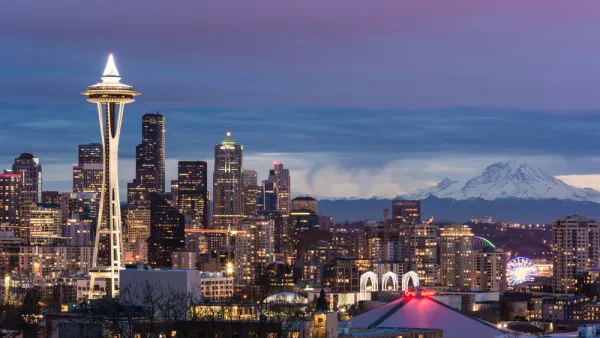
The Urban Revival Is (Probably) Not Over
Critiquing Richard Florida's claim that "the urban revival is over."
Rise of the Ethnoburbs
Timothy Egan describes growing American ethnoburbs, or "entire cities" (or suburbs) "dominated by a nonwhite ethnic group," and their implications for politics and power.
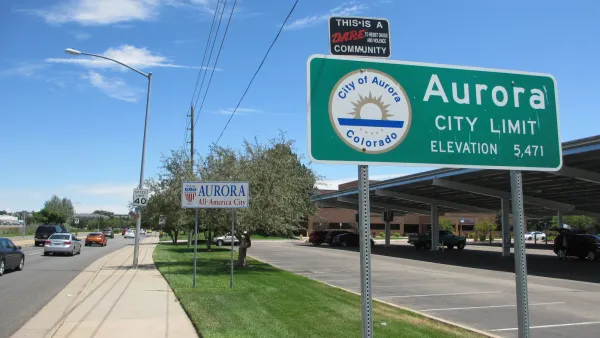
Mobile Social Services Address Gaps in Suburban Colorado
In the Denver suburb of Aurora, nonprofits are using 'mobile public spaces' to reach refugees settling in the autocentric community.

Planetizen Federal Action Tracker
A weekly monitor of how Trump’s orders and actions are impacting planners and planning in America.

The state-sanctioned urbicide of Austin
People don’t kill cities. Freeways do.

Colorado’s Largest Data Center Could Rise Next to Homes — Without a Public Hearing
The proposed campus would consume 11 times the power of Denver International Airport; as it has across the country, opposition mounts.

Judges permit Denver to divert 77,000 acre feet from the Colorado River for reservoir expansion
Overuse and climate change have caused the Colorado River’s water levels to plummet.

Amtrak, CN end decades-long dispute with eight-year agreement
The new operating agreement establishes an updated framework for the companies to work together, including processes to resolve disputes.

Raised interest rates may kill financially vulnerable construction projects
The chief economist at ConstructConnect warns that if construction project owners are negatively impacted by the raised rates, it could result in delayed payments to contractors.

FREE Course: Walkable City 1: Why Walkability?
After describing his path towards focusing on walkability as the essence of good planning, Jeff Speck marches through his five principal reasons for making more walkable places.
Reinventing Malls: Planning Alchemy—Turning Gray Fields Into Gold
The course focuses on the opportunities and imperatives that shape reinvention of mall sites.

KFH Group Inc.
Greater Baltimore Committee
Eagle County Government
The Architects Foundation
University of Cincinnati Online
The Pocatello Development Authority
The Urban Renewal Agency of the City of Pocatello