It might come as a surprise, but Harlem is the neighborhood with the biggest increase in rents since 2002—a stunning 90 percent increase according to recent analysis.


"Median rent costs in Central Harlem increased by a vertiginous 90% between 2002 and 2014," reports John Del Signore, using data found in a recent study authored by the Community Service Society.
According to a post by Thomas J. Waters for the Community Service Society (the report is also available on the same page), the report finds that "[r]ents rose by 32 percent citywide since 2002, even after removing the effect of inflation. The sharpest increases occurred in neighborhoods surrounding the traditionally high-rent area of Manhattan below Harlem. Central Harlem led the way with a shocking 90 percent increase, with Bedford-Stuyvesant second at 63 percent."
Del Signore's coverage includes an infographic that clearly illustrates the incredible rate at which rents have increased around New York City, according to the finding of the report. Del Signore also notes that the state of New York is on the verge of letting rent stabilization laws to expire, which could lead to an additional increase in median rents.
Read the full story: Harlem Rents Are 90 Damn Percent Higher Than In 2002

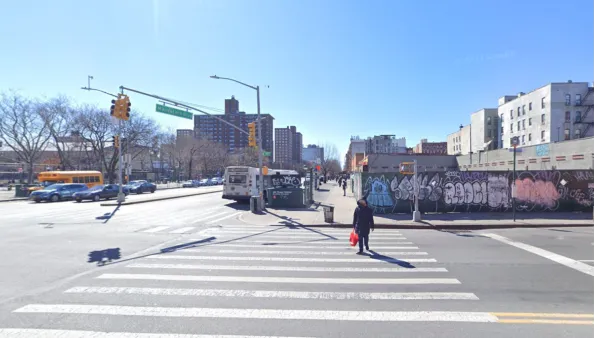
Harlem Apartment Project Nixed in Favor of Truck Depot
After a proposal for a mixed-use development failed to gain support from a local city councilmember, the developer turned the site into a truck storage depot, prompting concerns over air quality and health impacts.
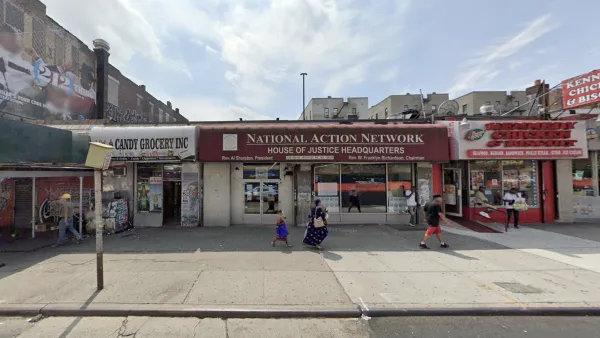
Market Rate Condos Could Replace Harlem Towers Proposal
After facing community opposition and a call for more deeply affordable housing units, developers withdrew their proposal for Harlem’s One45, prompting questions about the future of the site.
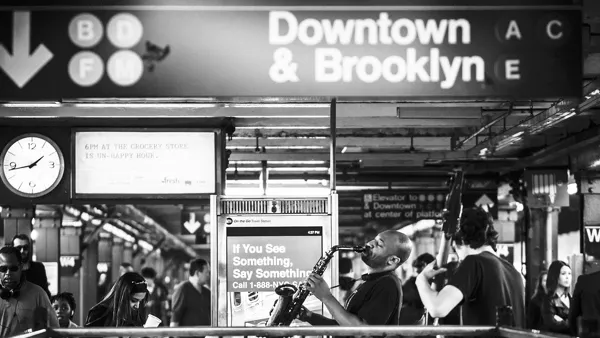
Human Error, Not Crumbling Infrastructure, Caused NYC Subway Derailment
While the New York subway's need for infrastructure investment is well documented, it was an improperly placed rail that caused two subway cars to derail on a southbound A train on Tuesday morning in Harlem.

Planetizen Federal Action Tracker
A weekly monitor of how Trump’s orders and actions are impacting planners and planning in America.

The state-sanctioned urbicide of Austin
People don’t kill cities. Freeways do.

US to reduce Colorado River water deliveries to Mexico
A new Colorado Treaty amendment reduces Mexico’s Colorado River water allocation by 250,000 acre feet.

Brightline West’s future may rely on $6 billion federal loan
The company has until Nov. 2 to make a $400 million equity investment into its proposed high-speed rail line.

LA Metro’s ultimatum: no extra buses for LA28 if federal funding isn’t imminently secured
If Metro does not provide additional buses, LA28 organizers will have to find a new way to manage Olympic traffic. LA28’s budget does not include a line item for transit.

Colorado’s Largest Data Center Could Rise Next to Homes — Without a Public Hearing
The proposed campus would consume 11 times the power of Denver International Airport; as it has across the country, opposition mounts.

FREE Course: Walkable City 1: Why Walkability?
After describing his path towards focusing on walkability as the essence of good planning, Jeff Speck marches through his five principal reasons for making more walkable places.
Reinventing Malls: Planning Alchemy—Turning Gray Fields Into Gold
The course focuses on the opportunities and imperatives that shape reinvention of mall sites.

Eagle County Government
Harvard University Graduate School of Design
Nashville Planning Department
The Architects Foundation
University of Cincinnati Online
The Pocatello Development Authority
The Urban Renewal Agency of the City of Pocatello
Journal of the American Planning Association