A new medical marijuana industry has been on hold in Florida, but permit processing can now begin following a court decision this week that upheld newly-developed regulations.


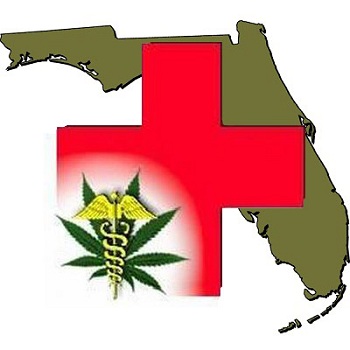
The Florida legislature approved medical marijuana in 2014, though the program’s rules and regulations were rewritten and then challenged, which has delayed permit processing. The proposed statewide medical-marijuana program would allow five companies to grow low-THC marijuana, and then sell the extracted oil as medicine for qualifying patients.
Grow operations would be located in five regions: Southeast, Southwest, Central, Northwest and Northeast Florida. The latest court case involved a Central Florida nursery who challenged the recently-developed rules, claiming they were unfair to potential permit applicants because they favored large, politically-connected nurseries.
The rules do have significant requirements for potential grow operations which could limit the pool of applicants in some regions. Applicants must have been in business at least 30 years, with capacity for at least 400,000 plants.
Florida's Department of Health issued a statement about how it intends to move forward quickly, now that the latest legal challenge is resolved: "We remain committed to ensuring safe and efficient access to this product for children with refractory epilepsy and patients with advanced cancer. We are moving swiftly to facilitate access to the product before the end of the year."
The department can start accepting applications for licenses within 20 days. The new rules could face further challenges, but at this time there no pending cases, and implementation is proceeding.
Read the full story: State's medical-marijuana law clears legal hurdle

As Texans face soaring electricity costs, a public health crisis looms
Demand for electricity in Texas is surging, largely driven by data centers and other industries, and residential customers are footing the bill.

America faces a 'fun shortage'
The United States has lost nearly a third of its bowling alleys and a fifth of its movie theaters since 2001.

Replacing lead pipes in Chicago costs more than 6 times the national average — and authorities can't explain why
Replacing one lead pipe in Chicago costs around $31,000, while the national average cost sits at around $4,700 per line.

Planetizen Federal Action Tracker
A weekly monitor of how Trump’s orders and actions are impacting planners and planning in America.

Amtrak, CN end decades-long dispute with eight-year agreement
The new operating agreement establishes an updated framework for the companies to work together, including processes to resolve disputes.

Northwest rail fans eager for Sept. 30 debut of Amtrak’s Airo fleet
Get ready for that new train smell and more seats. But they won’t go faster or run more frequently on the Cascades route in Washington and Oregon.

As El Niño approaches, Newsom vetos bill aimed at protecting California levees from flooding
Gov. Gavin Newsom said the state’s allocated $170 million was enough funding; State experts estimate it will cost $3.3 billion to repair the California Delta's levees.

Boston sues Trump administration over revoked infrastructure grant
The Trump administration withdrew the infrastructure grant because less than 1% of the money would go to electric vehicle charging infrastructure.

NYC to turn city-owned property into thousands of homes
The city has scheduled a public hearing regarding the development for October.

FREE Course: Walkable City 1: Why Walkability?
After describing his path towards focusing on walkability as the essence of good planning, Jeff Speck marches through his five principal reasons for making more walkable places.
Reinventing Malls: Planning Alchemy—Turning Gray Fields Into Gold
The course focuses on the opportunities and imperatives that shape reinvention of mall sites.

City of Thousand Oaks
City of Wisconsin Rapids
Harvard University Graduate School of Design
The Architects Foundation
University of Cincinnati Online
The Pocatello Development Authority
The Urban Renewal Agency of the City of Pocatello