A new web-based tool by the U.S. Geological Survey (USGS) and Esri allows users to "explore the ecological tapestry of the world."


"A new, free, web-based tool from the US Geological Survey (USGS) and ESRI allows us to gain a better understanding of the ecological character of any place in the world," according to a post by Jared Green. As Green describes it, "the web site can be used by everyone — from local government officials and planners to landscape architects and conservationists — to visualize the world’s complex ecological patterns."
Green quotes Randy Vaughan from ESRI, about the development of the tool and its possible advancements in the future. Green also recommends a map created by the team of "10 of the world’s ecological hot spots," or "places with high levels of ecological diversity."
Ben Schiller from FastCo.Exist also covered the new tool, and Matt Artz also wrote a post explaining the tool for Esri's blog.
Read the full story: A New Map of the World’s Ecosystems

New Google Map Layer Shows COVID-19 Infection Rates
A new layer showing the seven-day average of confirmed COVID-19 cases started rolling out to Android and iPhones last week.
New App from the U.S. EPA Maps Environmental Justice
A publicly available web tool allows access to maps that overlay environmental impacts and the populations they impact (or the populations that manage to avoid such impacts, for that matter).
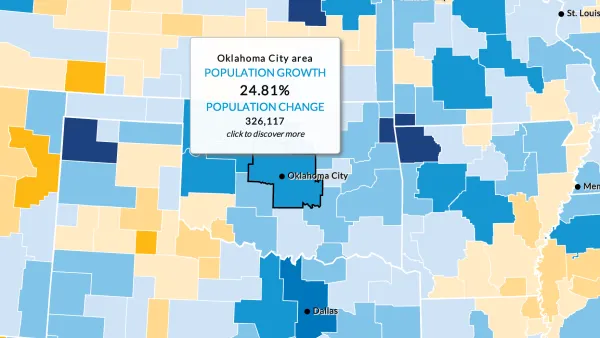
Mapping the Demographic Future of Cities
Cities change. The people living in cities change. A new online tool from the Urban Institute allows users to forecast demographic trends as far out at 2030.

Planetizen Federal Action Tracker
A weekly monitor of how Trump’s orders and actions are impacting planners and planning in America.

California plans to bury El Niño’s downpour
If the state plays its cards right, it may be able to store a billion acre-feet of El Niño’s water in aquifers.

Desperate measures: Advocates weigh draining Lake Powell to fill Colorado River
Draining the reservoir could reduce evaporation losses by a couple hundred thousand acre-feet.

Chicago voters approve permanent festival grounds, penalty for vacant property owners
Currently, major summer and fall festivals take over public parks for weeks at a time, drawing criticism from nearby residents

NYC votes to cut outdoor dining red tape, speed up permitting
New York City also voted to allow the Department of Transportation to begin work on urgent projects before notifying elected officials.

California appears to reject Prop. 45
The proposition would have expanded the projects that qualify for a streamlined environmental review, effectively paring down the California Environmental Quality Act.

FREE Course: Walkable City 1: Why Walkability?
After describing his path towards focusing on walkability as the essence of good planning, Jeff Speck marches through his five principal reasons for making more walkable places.
Reinventing Malls: Planning Alchemy—Turning Gray Fields Into Gold
The course focuses on the opportunities and imperatives that shape reinvention of mall sites.

City of Rosemead
Rutgers University, Edward J. Bloustein School of Planning and Public Policy
One Hundred Miles
Hunter College, City University of New York (CUNY)
The Architects Foundation
University of Cincinnati Online
City of Cambridge
Montrose County
The Pocatello Development Authority