The Toronto Star picks up on the Urban Land Institute's Emerging Trends in Real Estate report, finding the trend of urbanization in Canada to reflect the trend in the United States.



"The surge in city living over suburban living is no longer an 'emerging trend' but 'the new normal' as millennials — and a growing number of their parents — transform downtown cores across much of Canada at dizzying speed," according to an article by Susan Pigg.
Pigg's article shares the findings from the Emerging Trends in Real Estate [pdf] report, released by PricewaterhouseCoopers and the Urban Land Institute. Chris Potter, the head of Canadian Real Estate Tax Practice with PwC, is cited to explain how policies for demographics and provincial intensification established by Ontario’s 2006 Places to Grow legislation, "have definitely accelerated the pace of downtown growth in Toronto."
The report also raises questions about what the trends mean for the future of cities: "But big questions remain for the future, notes the report: Millennials now helping drive the downtown condo boom are just coming into their child-bearing years in big numbers. Where will they live as they age and have families?"
FULL STORY: Urbanization is ‘new normal’ for Canada, report says

The Superstar Metro Argument... And Why It Fails
One argument against solving the housing shortage in large, expensive cities is that growth in those cities will drain people and wealth from declining areas. Data does not agree.

Is the Urban Form Sustainable?
One author offers a framework for resilience that rethinks common assumptions about the inevitability of cities as we know them.
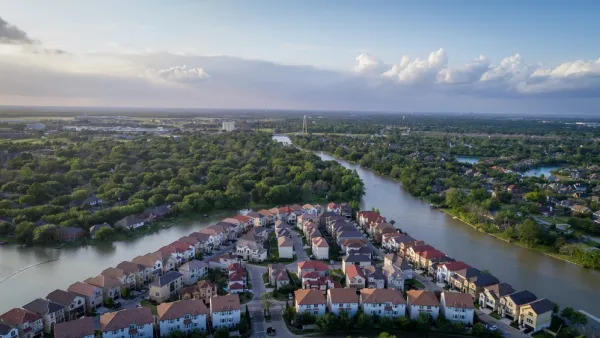
A Rapidly Urbanizing Texas County Gets in Touch With its Agricultural Roots
Developers in Fort Bend County are drawing inspiration from ‘agrihoods’ to build car-light communities in one of the nation’s fastest-growing areas.

Planetizen Federal Action Tracker
A weekly monitor of how Trump’s orders and actions are impacting planners and planning in America.

The state-sanctioned urbicide of Austin
People don’t kill cities. Freeways do.

US to reduce Colorado River water deliveries to Mexico
A new Colorado Treaty amendment reduces Mexico’s Colorado River water allocation by 250,000 acre feet.

Colorado’s Largest Data Center Could Rise Next to Homes — Without a Public Hearing
The proposed campus would consume 11 times the power of Denver International Airport; as it has across the country, opposition mounts.

5 New England states march closer to 800 megawatt wind energy project
Securing federal approval for the project may be complicated under the Trump administration, which has historically been hostile towards domestic wind power.

Baltimore to break ground on $50 million Transit Priority Project
The project will bring faster bus trips, safer streets and better bike connections to Baltimore.

FREE Course: Walkable City 1: Why Walkability?
After describing his path towards focusing on walkability as the essence of good planning, Jeff Speck marches through his five principal reasons for making more walkable places.
Reinventing Malls: Planning Alchemy—Turning Gray Fields Into Gold
The course focuses on the opportunities and imperatives that shape reinvention of mall sites.

Eagle County Government
Harvard University Graduate School of Design
Nashville Planning Department
The Architects Foundation
University of Cincinnati Online
The Pocatello Development Authority
The Urban Renewal Agency of the City of Pocatello
Journal of the American Planning Association