For the first time, researchers were able to detect the vibrations created by human transportation systems.


"Planes, trains and automobiles create the noisy background to our lives--especially in urban areas. In addition to getting us from point A to point wherever-we're-headed, the swift movement of transportation creates plenty of noise and vibrations. But the low-frequency noise of these vibrations is usually completely unnoticed by humans, until now," writes Mary Beth Griggs.
That's because researchers from Scripps Institution of Oceanography used a network of 5,300 geophones in Long Beach, California, once used for oil and gas surveys, to pick up on the vibrations caused by human transportation."
According to a press release announcing the discovery, the researchers were able to "follow a metro schedule, count aircraft and their acceleration on a runway, and even see larger vehicles on a 10-lane highway."
Read the full story: Scientists Listen In To The Seismic Soundscapes Of Human Activity


Evidence-based planning in a time of information overload
The field of academic publishing has become complex and crowded. What does it mean for urban planners?

Trump Administration Takes Aim at Transportation Research
Researchers warn of a “chilling environment” as studies examining road safety and other topics are killed off and layoffs hit federal agencies.
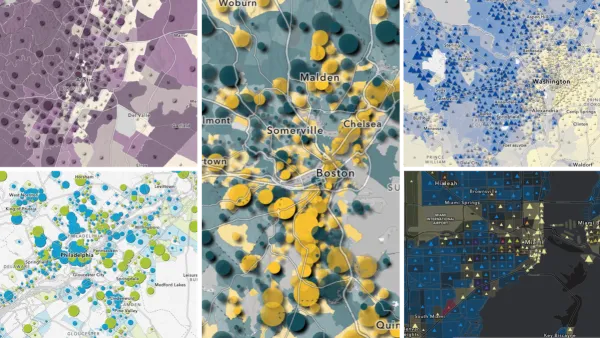
Explore US Demographics With the New ACS Atlas Collection
Esri's new ACS Atlas Collection offers interactive applications that visualize the latest U.S. demographic and socio-economic data, enabling users to explore over 175 curated web maps across various thematic areas.

Planetizen Federal Action Tracker
A weekly monitor of how Trump’s orders and actions are impacting planners and planning in America.

‘Going backwards:’ Baltimore mayor, students rally against state's transit funding plan
Maryland's proposed six-year plan provides no funding for Baltimore’s BMORE bus program and reduces its road maintenance funding.

Detroit to transform waterfront with $2.2 billion investment
Developers will convert about 18 acres of unused parking lot space into civic spaces.

MTA invests $1.1 billion in ‘nearly-impossible’-to-evade fare gates
The new technology marks the Metropolitan Transit Authority's first turnstile redesign in decades.

HUD modernizes 50-year-old manufactured housing framework
The Next Generation Manufactured Housing Action Plan establishes new energy-efficiency standards for manufactured homes, and new guidelines for anchoring them.

New CA housing laws tear down development red tape
Recently-signed legislation makes building starter homes and ADUs cheaper and faster in California.

FREE Course: Walkable City 1: Why Walkability?
After describing his path towards focusing on walkability as the essence of good planning, Jeff Speck marches through his five principal reasons for making more walkable places.
Reinventing Malls: Planning Alchemy—Turning Gray Fields Into Gold
The course focuses on the opportunities and imperatives that shape reinvention of mall sites.

One Hundred Miles
County of Mendocino
planning NEXT
The Architects Foundation
University of Cincinnati Online
Montrose County
Northern Illinois Transit Authority (NITA)
The Pocatello Development Authority