Urban planner and researcher, C.J. Gabbe, shares insights from his past two years living in Los Angeles, including surprising innovations in planning and development.


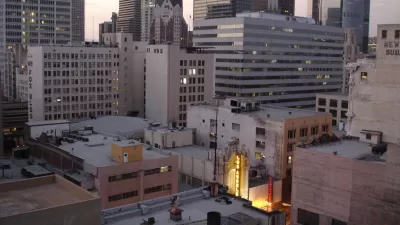
"Los Angeles is commonly portrayed as a sprawling metropolis, suffering in a state of constant automobile gridlock. The region undoubtedly has major problems – ranging from poverty and housing affordability to air quality and water availability – that should not be understated. However, after living in L.A. for the past two years to study planning at UCLA, I’ve also been impressed with the planning and development innovation coming from the region. In many ways the L.A. region views its future as an urban one, and is playing rapid catch-up by expanding its rail transit system and creating walkable neighborhoods. It’s one of the most exciting places to be an urbanist today. Successful urbanism in Los Angeles provides lessons for other growing communities seeking to transition away from an auto-centric status quo."
Gabbe goes on to list eight innovations as an "illustrative, not an exhaustive, list of urbanism in Los Angeles...Countless non-profits, public agencies, and private developers are actively turning the L.A. region’s serious challenges into opportunities to create a more sustainable, just future. The L.A. case shows that the road to change can be difficult, but progress is possible."
Read the full story: Eight reasons it's exciting to be an urbanist in Los Angeles today
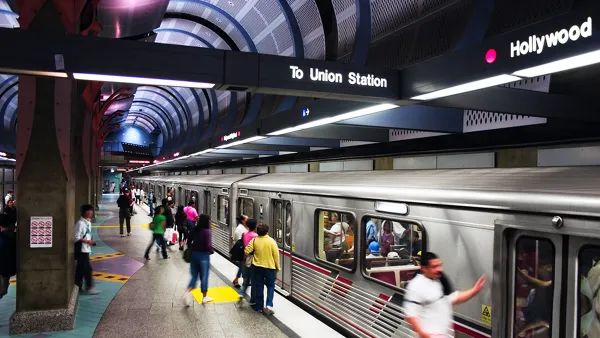
Can Los Angeles Fix its Bad Transit?
Transit writer Alon Levy argues it will take more than system improvements to integrate public transit into L.A.'s urban fabric.

Los Angeles: Focus on Urban Design (Not Just Urban Planning)
By embracing timeless principles of urban placemaking, we can create walkable transit villages and make room for housing at every socioeconomic level. First we have to re-invigorate high quality urban design.
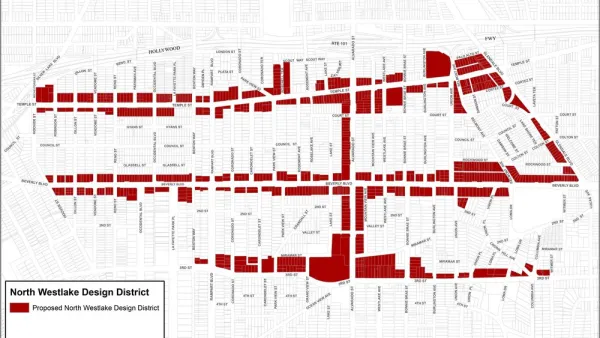
L.A. Tenants Link Planned 'Design District' to Displacement
Community leaders say a design district in Westlake could pave the way for the erasure of L.A's Historic Filipinotown.

Planetizen Federal Action Tracker
A weekly monitor of how Trump’s orders and actions are impacting planners and planning in America.

California plans to bury El Niño’s downpour
If the state plays its cards right, it may be able to store a billion acre-feet of El Niño’s water in aquifers.

Desperate measures: Advocates weigh draining Lake Powell to fill Colorado River
Draining the reservoir could reduce evaporation losses by a couple hundred thousand acre-feet.

In Texas, data centers are swallowing promised parkland
Residents who moved to Taylor, Texas for a rural community now have to contend with three data centers in their backyard.

How a Chicago-sized wind farm beat the odds and powered on
The project spanned five presidential administrations and a standoff with a U.S. military base.

MTA gives itself 30 days to transform pit into basketball court
The site has been under construction since 2022; the city originally estimated it would finish the court in 2024.

FREE Course: Walkable City 1: Why Walkability?
After describing his path towards focusing on walkability as the essence of good planning, Jeff Speck marches through his five principal reasons for making more walkable places.
Reinventing Malls: Planning Alchemy—Turning Gray Fields Into Gold
The course focuses on the opportunities and imperatives that shape reinvention of mall sites.

City of Rosemead
Rutgers University, Edward J. Bloustein School of Planning and Public Policy
One Hundred Miles
Hunter College, City University of New York (CUNY)
The Architects Foundation
University of Cincinnati Online
City of Cambridge
Montrose County
The Pocatello Development Authority