An interactive map featuring a combination of ESRI's Story Maps, Yelp, and TripAdvisor posts shows ten popular subway systems as rated by transit riders.


Max Knoblauch combines ESRI's Story Maps with Yelp and TripAdvisor reviews to create an interactive map of ten subways systems. The map shows the cost per ride and quotes reviews of the pros and cons of the transit system. Among Knoblauch's conclusions: "traveling communities cannot agree whether certain subways are the saving grace or utter downfall of their host city. The reviews serve as a reminder that everything has its ups and downs."
The ten subways systems rated worldwide include New York City's Subway, San Francisco's BART, and Stockholm's Tunnelbana, to name a few, with critics complaining about "rats the size of small dogs" or fans raving about "beautiful works of art."
Read the full story: What the Internet Thinks of the World's Subways

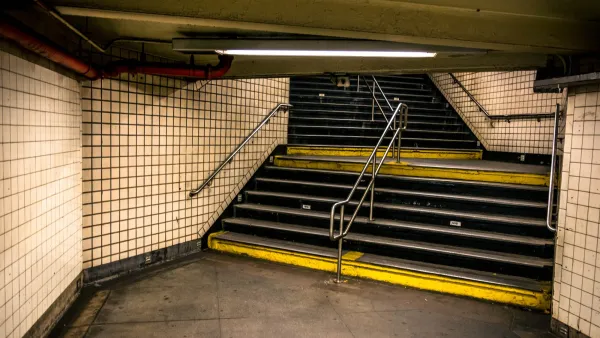
N.Y.C. Initiative Seeks to Connect Homeless on Transit with Social Services
The city is expanding outreach to homeless people in order to move them off the subway and steer them toward housing and social services.
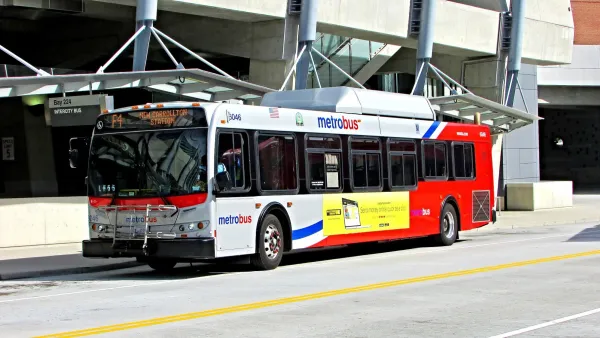
D.C.-Area Residents Want Bus Lanes and Free Transfers, Survey Shows
New survey findings identify transit priorities among residents in D.C. and surrounding areas, and indicate broad support for public investments.
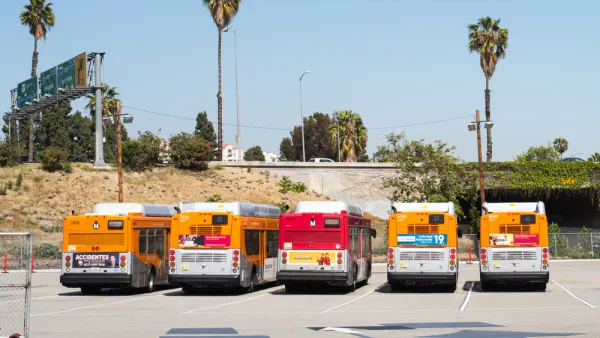
When a Planner Commutes by Bus: Score Card
Commitment gets tested when a dedicated urbanist, transit rider, and L.A. County planner is relocate to a suburban office. Clement Lau shares his thoughts about the good and the bad of riding an L.A. Metro bus.

Amtrak, CN end decades-long dispute with eight-year agreement
The new operating agreement establishes an updated framework for the companies to work together, including processes to resolve disputes.

Judges permit Denver to divert 77,000 acre feet from the Colorado River for reservoir expansion
Overuse and climate change have caused the Colorado River’s water levels to plummet.

Nation's most wind-powered state turns to coal as data centers increase energy demand
For the first time in decades, Iowa has increased its generation of coal power.

Boston has spent millions making the Green Line more accessible — and there’s no end in sight
While the city has invested millions into expanding and adding platforms to the Green Line to make it more accessible, new train cars set to arrive next year will be too tall for disabled passengers to board without raising the current platforms.

Idaho may see an 18% drop in federal surface transit funding — the largest estimated cut in the US
Transit systems in rural communities are much more reliant on federal funding to provide their services.

How ‘post-disaster gentrification’ alters neighborhoods after natural calamities
After hurricanes, fires or other calamities, the original residents of a community are often replaced by younger, wealthier residents.

FREE Course: Walkable City 1: Why Walkability?
After describing his path towards focusing on walkability as the essence of good planning, Jeff Speck marches through his five principal reasons for making more walkable places.
Reinventing Malls: Planning Alchemy—Turning Gray Fields Into Gold
The course focuses on the opportunities and imperatives that shape reinvention of mall sites.

City of Wisconsin Rapids
Harvard University Graduate School of Design
KFH Group Inc.
The Architects Foundation
University of Cincinnati Online
The Pocatello Development Authority
The Urban Renewal Agency of the City of Pocatello