Laura Kane listens to the ideas of three of Toronto’s ‘hidden’ transit experts – those who have spent their careers on it's front-lines. A streetcar driver, repair worker, and a transit app developer share their pragmatic insights.


Jorge Lobo has driven streetcars in Toronto for 25 years and observed that the lifestyles and routines of the commuters that board his streetcar daily have changed while the City itself has sometimes failed to adapt. Street parking is a case-in-point. “Workers used to leave the office at 4:30, but these days are more likely to leave at 6 or 7 p.m. So, he asked: Why is parking still allowed after 6 p.m. at some spots on King Street?”
“Lobo suggested allowing parking on main streets after 8 p.m. only...this simple change would make a big difference.”
On the high-tech front, Hussain Saleem, the developer of transit app RocketMan advocates that more data-sharing between the Toronto Transit Commission (TTC) and app developers would greatly improve and modernize the transit experience.
“'I cannot improve the service. I cannot make the streetcars go faster, or have more of them run,’ said Saleem. ‘I can just communicate that information to riders in a friendly way, and then they can manage their time in a better way.’”
Read the full story: Hidden experts have big ideas for Toronto public transit
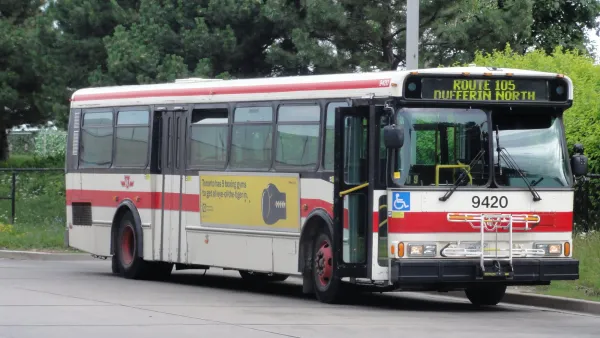
Toronto Could Give Buses and Streetcars Priority
In a shift away from subway expansions and upgrades, Toronto looks to improve the bus and streetcar systems.
Toronto Transit Mulls Reducing Stops Along Routes
In a move to increase speed, the Toronto Transit Commission (TTC) is looking to cut some stops from its streetcar and bus routes, rousing debate over whether less is really more - particularly in consideration of elderly and disabled riders.
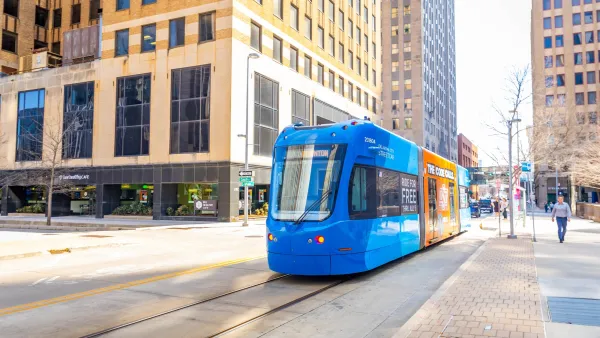
OKC streetcar will stay fare-free after ridership shot up 74%
The downtown streetcar saw a surge in ridership after it eliminated fares in January.

Planetizen Federal Action Tracker
A weekly monitor of how Trump’s orders and actions are impacting planners and planning in America.

Eastern Nebraska is running out of electricity
Data centers and electrification are straining eastern Nebraska’s grid, throttling economic development.

Study reveals best places in the U.S. for cycling, walking
New research from Streetlight Data examines bicycle and pedestrian miles per capita in the 100 largest U.S. cities by population.

Next-generation nuclear reactors are coming to Texas
The reactors will not require towering containment structures thanks to new safety features.

California distributes $1.3 billion to prevent transit service cuts, bolster projects
Twenty-eight projects across California received a portion of the funding.

Pennsylvania Democrats have 15 affordability, clean energy bills for flipped state Senate
Bills in consideration include a bill supporting geothermal energy and a bill supporting solar on warehouses.

FREE Course: Walkable City 1: Why Walkability?
After describing his path towards focusing on walkability as the essence of good planning, Jeff Speck marches through his five principal reasons for making more walkable places.
Reinventing Malls: Planning Alchemy—Turning Gray Fields Into Gold
The course focuses on the opportunities and imperatives that shape reinvention of mall sites.

City of Charlotte
City of Rosemead
Rutgers University, Edward J. Bloustein School of Planning and Public Policy
University of Michigan School for Environment and Sustainability (SEAS)
Hunter College, City University of New York (CUNY)
The Architects Foundation
City of Cambridge
The Pocatello Development Authority
The Urban Renewal Agency of the City of Pocatello