“At this point I’m battling gentrification fatigue,” proclaims Dax-Devlon Ross, who has written extensively about his experiences as a self-proclaimed “black gentrifier” in West Harlem.


Dax-Devlon Ross begins a long read for Next American City by decrying the media’s canned coverage of gentrification, where “oh well” is usually the conclusion, rather than a take away of any substance: “We writers tend to find the same urban studies experts and non-profit executives, quote the most updated versions of the same census or economic policy data, and trot out variations of the stock community member…”
Then Ross tells the story of his exodus from New York City—after his market-rate apartment priced itself out of his range and he decided to stop “drinking the overpriced Kool-Aid.” In the end his conclusion is not the same old narrative about millennials choosing urban environments and techie bullies driving away the less fortunate: “I’ve lived in enough places to learn that people are people and city life doesn’t have a copyright on cool, community or culture. Now that I’ve finally figured that out — and embraced it — I fully intend to invite any and everyone who feels they’re being pushed out of their beloved neighborhoods to join me in the ‘burbs.”
Read the full story: A Black Gentrifier Moves to the Suburbs


A Bronx Community Fights to Have its Voice Heard
After organizing and giving input for decades, the community around the Kingsbridge Armory might actually see it redeveloped — and they want to continue to have a say in how it goes.
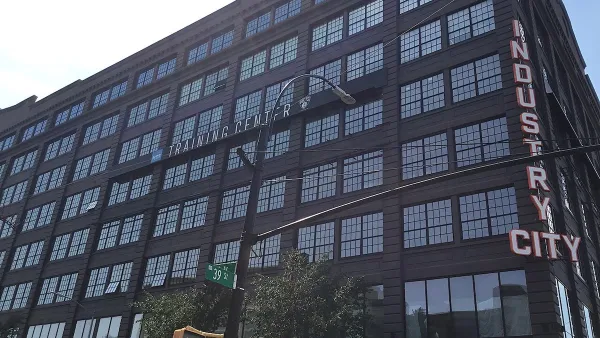
‘Emergent City’ Documentary Highlights Rare Anti-Gentrification Victory
The film charts the saga of a Brooklyn site called Industry City.
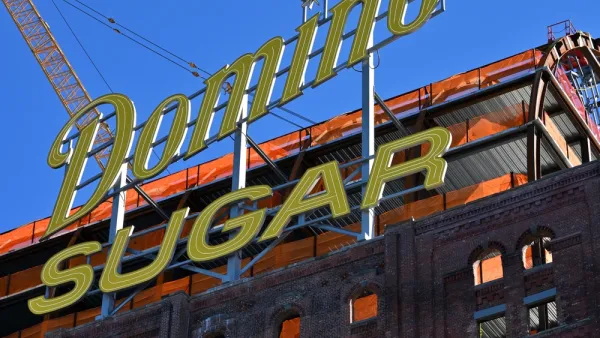
Bitter Irony Behind Brooklyn’s Sweet Domino Sugar Sign
A new feature on the Brooklyn waterfront is a reminder that Domino Sugar has made several unsavory appearances in the history of Puerto Rican communities.

Planetizen Federal Action Tracker
A weekly monitor of how Trump’s orders and actions are impacting planners and planning in America.

‘Going backwards:’ Baltimore mayor, students rally against state's transit funding plan
Maryland's proposed six-year plan provides no funding for Baltimore’s BMORE bus program and reduces its road maintenance funding.

Detroit to transform waterfront with $2.2 billion investment
Developers will convert about 18 acres of unused parking lot space into civic spaces.

U.S.-Iran war may have ‘devastating’ impact on cost to warm homes
Vermont and Maine residents may see a 76% increase in the cost of warming their homes this winter.

Senate bill would ‘overhaul’ environmental permitting laws
Under the proposed act, government agencies would also not be able to suspend or rescind permits after granting them.

Exemption applications for NYC’s pied-à-terre tax see 55% success rate
The city sent nearly 40% of its initial pied-à-terre tax warnings erroneously.

FREE Course: Walkable City 1: Why Walkability?
After describing his path towards focusing on walkability as the essence of good planning, Jeff Speck marches through his five principal reasons for making more walkable places.
Reinventing Malls: Planning Alchemy—Turning Gray Fields Into Gold
The course focuses on the opportunities and imperatives that shape reinvention of mall sites.

One Hundred Miles
County of Mendocino
planning NEXT
The Architects Foundation
University of Cincinnati Online
Montrose County
Northern Illinois Transit Authority (NITA)
The Pocatello Development Authority