Many of us grew up with the telephone as a central appliance in our homes, around which much energy and attention revolved. The days of the land-line telephone, however, are numbered.


Brendan Sasso and Reena Flores report on a fact of modern life that might surprise many of us born before the '90s: “In a few years, the telephone may be as outdated as the telegraph.”
The multi-media report by the National Journal examines all that’s left standing in the way of the full transition from the old land line to the new Internet Protocol (IP) network, which is the issue of which of the old telecommunications regulations should apply to the new networks. For instance, the need for 911 service to work in the event of a power outrage.
The FCC is gathering data to help decide which rules should apply or not, but the networks are ready to complete the switch and abandon the old infrastructure. Consumer advocates, however, are urging regulators to be thorough about preserving safeguards.
Read the full story: Why the Land Line Is About to Die

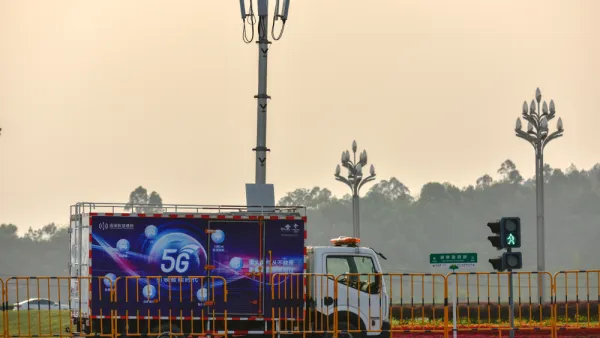
Federal Bill Would Preempt Local Authority on Telecommunications Siting
A congressional committee advanced a bill recently that would streamline telecommunications infrastructure investments by preempting local control of siting decisions.
A Texas Community Built for 5G
Developers hope 5G infrastructure will make Frisco Station a hub for self-driving cars, air taxis, and other futuristic technologies.
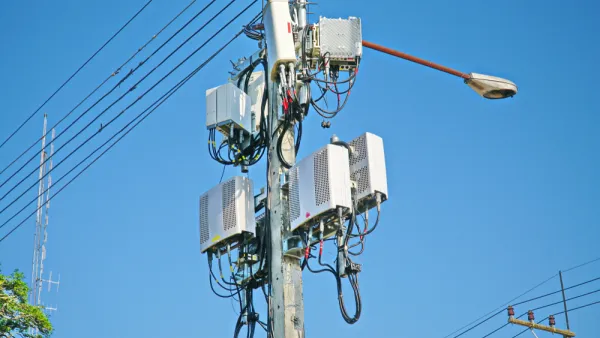
Feds Streamline Approvals for 5G Infrastructure
Most deployment of 5G "small cells" won't get any resistance from federal regulations.

Planetizen Federal Action Tracker
A weekly monitor of how Trump’s orders and actions are impacting planners and planning in America.

‘Going backwards:’ Baltimore mayor, students rally against state's transit funding plan
Maryland's proposed six-year plan provides no funding for Baltimore’s BMORE bus program and reduces its road maintenance funding.

Detroit to transform waterfront with $2.2 billion investment
Developers will convert about 18 acres of unused parking lot space into civic spaces.

U.S.-Iran war may have ‘devastating’ impact on cost to warm homes
Vermont and Maine residents may see a 76% increase in the cost of warming their homes this winter.

Senate bill would ‘overhaul’ environmental permitting laws
Under the proposed act, government agencies would also not be able to suspend or rescind permits after granting them.

Exemption applications for NYC’s pied-à-terre tax see 55% success rate
The city sent nearly 40% of its initial pied-à-terre tax warnings erroneously.

FREE Course: Walkable City 1: Why Walkability?
After describing his path towards focusing on walkability as the essence of good planning, Jeff Speck marches through his five principal reasons for making more walkable places.
Reinventing Malls: Planning Alchemy—Turning Gray Fields Into Gold
The course focuses on the opportunities and imperatives that shape reinvention of mall sites.

One Hundred Miles
County of Mendocino
planning NEXT
The Architects Foundation
University of Cincinnati Online
Montrose County
Northern Illinois Transit Authority (NITA)
The Pocatello Development Authority