The Charlotte City Council approved $12 million in engineering work for a proposed 2.5-mile streetcar extension. The city hopes the investment will help it win federal funds for the $126 million project.


The Charlotte City Council voted to spend $12 million on engineering work in preparation for a proposed streetcar extension connecting “Johnson C. Smith University to the west and the Elizabeth neighborhood to the east,” reports Steve Harrison. The council made the allocation to solidify its commitment to the streetcar extension in the hopes that the down payment will help the city win a Small Starts grant from the Federal Transit Administration in 2015.
“Last year, City Manager Ron Carlee broke a yearlong deadlock over the project with a proposal to spend $63 million from city reserves and to seek $63 million in federal grants. That plan wouldn’t use property taxes…”
The city has already failed once to win a federal grant for the extension. The $12 million investment would be wasted if they fail to win the federal money.
Read the full story: Charlotte makes $12 million bet on streetcar
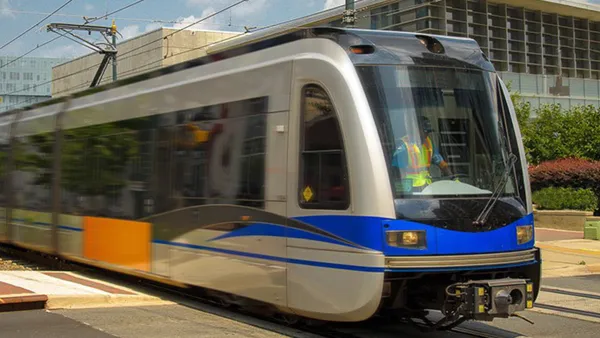
Higher Cost Estimates Could Doom Fort Lauderdale Streetcar
While the 2.8 mile Wave Streetcar project has secured $195 million, proposals for design and construction are coming in higher than expected, which would leave Broward County and Fort Lauderdale responsible for half the extra cost.

What's the Value of a Half-Baked Streetcar Line?
A tough first week for the new LYNX Gold streetcar line in Charlotte inspired a review of the current research about the value of streetcars.
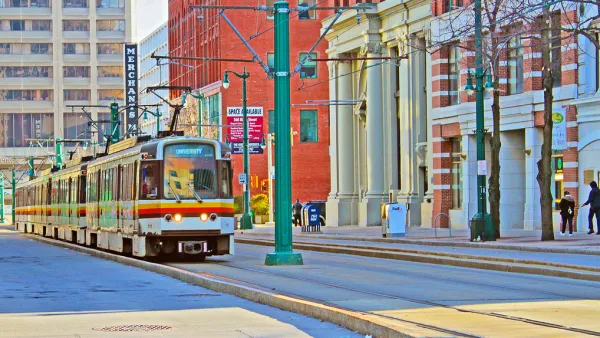
Editorial: Streetcar Funding Better Spent Elsewhere
The Economist introduces the concept of the streetcar in America—its history and its recent revival—before laying the arguments in support of, and against, the role of streetcars in urban revival.

Planetizen Federal Action Tracker
A weekly monitor of how Trump’s orders and actions are impacting planners and planning in America.

California plans to bury El Niño’s downpour
If the state plays its cards right, it may be able to store a billion acre-feet of El Niño’s water in aquifers.

Desperate measures: Advocates weigh draining Lake Powell to fill Colorado River
Draining the reservoir could reduce evaporation losses by a couple hundred thousand acre-feet.

Los Angeles just elected an urban planner as its mayor
Transportation analysts are optimistic that Raman will be more aggressive in addressing transit issues than Bass.

Mamdani’s pied-à-terre tax survives legal challenge
A panel of judges found that the plaintiffs failed to demonstrate injury as a result of New York City's implementation of the tax.

Eastern Nebraska is running out of electricity
Data centers and electrification are straining eastern Nebraska’s grid, throttling economic development.

FREE Course: Walkable City 1: Why Walkability?
After describing his path towards focusing on walkability as the essence of good planning, Jeff Speck marches through his five principal reasons for making more walkable places.
Reinventing Malls: Planning Alchemy—Turning Gray Fields Into Gold
The course focuses on the opportunities and imperatives that shape reinvention of mall sites.

City of Rosemead
Rutgers University, Edward J. Bloustein School of Planning and Public Policy
One Hundred Miles
University of Michigan School for Environment and Sustainability (SEAS)
Hunter College, City University of New York (CUNY)
The Architects Foundation
City of Cambridge
Montrose County
The Pocatello Development Authority