As unbelievable as it may sound in a city with tens of thousands of vacant properties, young professionals are being priced out of popular Detroit neighborhoods like Midtown and Corktown as demand far exceeds supply.


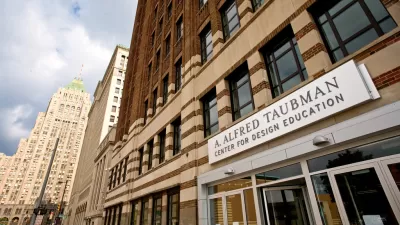
"Rental rates in downtown Detroit-area buildings have risen so high, some young professionals who breathed new life into the city core just a few years ago are now being priced out of the market and forced to move — a type of middle-class gentrification that has some developers eager to build new residential projects," observe JC Reindl and John Gallagher.
"The phenomenon cannot be captured by the traditional definition of 'gentrification,' when low-income households are displaced by the yuppie class," they add. "Rather, renters already in the middle class and enjoying professional careers now are being displaced by those even farther up the income scale who can afford the higher rents."
With plenty of single young professionals and childless couples eager to live in Midtown and Corktown, waiting lists have developed for nearly every market-rate apartment building (an unheard of phenomenon). Developers are eager to meet the demand, but lenders are still skittish to bankroll projects in the city.
Read the full story: Downtown Detroit apartment rents spiking higher, even pricing out middle class

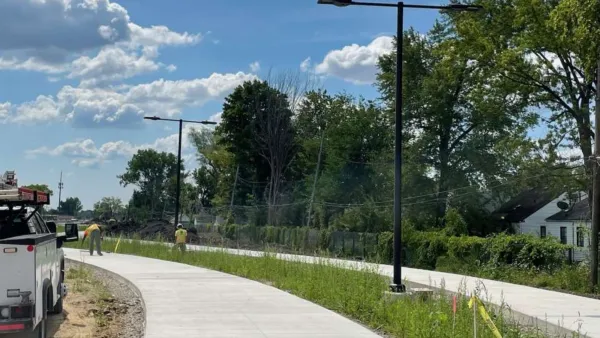
Detroit greenway brings revival — and fears of displacement
The planned Joe Louis Greenway is already bringing change to the neighborhoods near it.

No Connection Between Gardens and Gentrification in Detroit, Study Says
Research from late 2021 documented the footprint of urban gardens in Detroit, finding evidence of inequities but not gentrification.
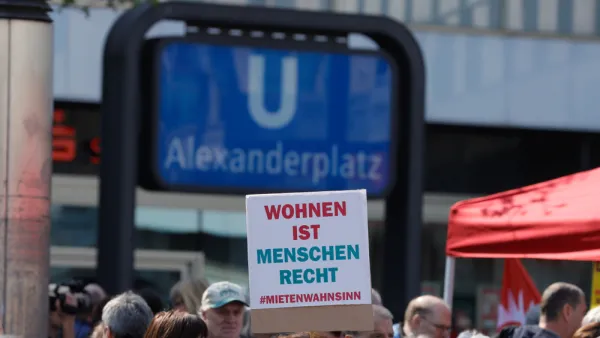
Berlin Caps Rents as Anti-Gentrification Measure
The capital city, known for its artists and party scene, is aiming to reduce gentrification by capping rent prices for a period of five years.

Planetizen Federal Action Tracker
A weekly monitor of how Trump’s orders and actions are impacting planners and planning in America.

‘Going backwards:’ Baltimore mayor, students rally against state's transit funding plan
Maryland's proposed six-year plan provides no funding for Baltimore’s BMORE bus program and reduces its road maintenance funding.

Detroit to transform waterfront with $2.2 billion investment
Developers will convert about 18 acres of unused parking lot space into civic spaces.

U.S.-Iran war may have ‘devastating’ impact on cost to warm homes
Vermont and Maine residents may see a 76% increase in the cost of warming their homes this winter.

Senate bill would ‘overhaul’ environmental permitting laws
Under the proposed act, government agencies would also not be able to suspend or rescind permits after granting them.

Exemption applications for NYC’s pied-à-terre tax see 55% success rate
The city sent nearly 40% of its initial pied-à-terre tax warnings erroneously.

FREE Course: Walkable City 1: Why Walkability?
After describing his path towards focusing on walkability as the essence of good planning, Jeff Speck marches through his five principal reasons for making more walkable places.
Reinventing Malls: Planning Alchemy—Turning Gray Fields Into Gold
The course focuses on the opportunities and imperatives that shape reinvention of mall sites.

One Hundred Miles
County of Mendocino
planning NEXT
The Architects Foundation
University of Cincinnati Online
Montrose County
Northern Illinois Transit Authority (NITA)
The Pocatello Development Authority