New municipal zoning laws don’t necessarily make for the most compelling reading material, but a new set of New York City regulations are worth paying attention to.


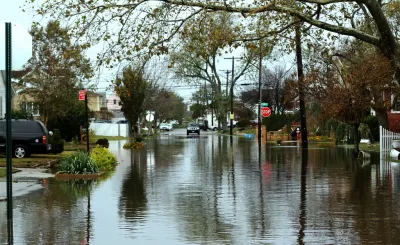
Passed in October, the new rules are designed to allow residents of Hurricane Sandy-scarred territories to comply with FEMA flood regulations. One change involves how building heights are measured. While before building height was measured from the ground up, no matter the habitable level, now building height is measured from the base flood elevation plus two feet.
Because elevated buildings can interfere with a street’s human scale, the zoning laws also allow mitigating building features, including porches and stair-direction changes, Graham T. Beck writes. To ease the transition to the new regulations, the Department of City Planning has promised to go neighborhood by neighborhood to help communities plan for the future.
Read the full story: New Law Will Lift New York's Waterfront Structures Up in the Air

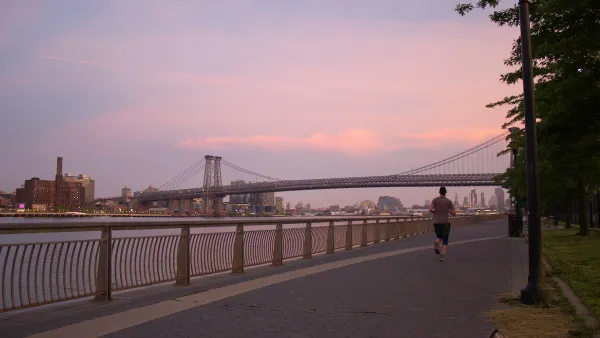
East River Floodgates Rising in NYC
A tour of new infrastructure designed to protect the city’s East Side from catastrophic flooding.

Net Zero Development Coming to New York City
The project, which relies largely on geothermal energy to minimize its carbon footprint, will bring affordable housing and boost storm resilience to an area devastated by Hurricane Sandy.
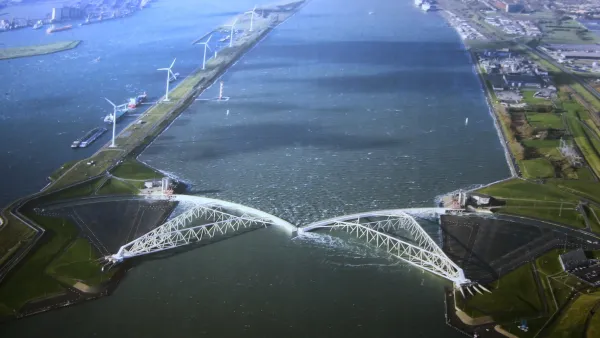
The Dutch: Ready to Export Their Flood Control Expertise
For those who want it, the Netherlands is willing to share the fruits of its centuries-long relationship with the unruly seas. In Rotterdam, lots of local urban solutions are also on display.

Planetizen Federal Action Tracker
A weekly monitor of how Trump’s orders and actions are impacting planners and planning in America.

Amtrak, CN end decades-long dispute with eight-year agreement
The new operating agreement establishes an updated framework for the companies to work together, including processes to resolve disputes.
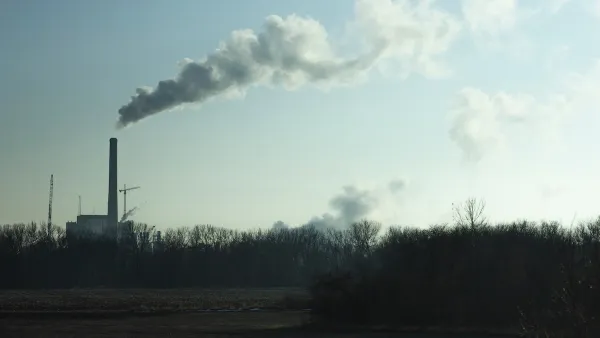
Nation's most wind-powered state turns to coal as data centers increase energy demand
For the first time in decades, Iowa has increased its generation of coal power.

Alabama scores up to $2.5 billion federal loan for largest infrastructure project in state’s history
The Mobile River Bridge and Bayway Project aims to ease congestion at Alabama’s worst bottleneck.

Trump is considering data centers on 6 states' public land — some state officials say they had no idea
If the administration approves the proposed projects, data center and data center-related developments will cover 17,600 acres of public land.

Despite court ruling, Trump is keeping nearly all wind projects in the US on hold
At least 110 wind energy projects have not heard from the government since a federal judge ruled that the Trump administration's freeze on wind turbine clearances was likely illegal.

FREE Course: Walkable City 1: Why Walkability?
After describing his path towards focusing on walkability as the essence of good planning, Jeff Speck marches through his five principal reasons for making more walkable places.
Reinventing Malls: Planning Alchemy—Turning Gray Fields Into Gold
The course focuses on the opportunities and imperatives that shape reinvention of mall sites.

KFH Group Inc.
Greater Baltimore Committee
Eagle County Government
The Architects Foundation
University of Cincinnati Online
The Pocatello Development Authority
The Urban Renewal Agency of the City of Pocatello