In an excerpt on Places from his new book, Smart Cities, urban forecaster Anthony Townsend considers the inevitable glitches.


Electric car sharing in Paris, dynamic road pricing in Singapore, nationwide smart meters in the UK. “The technology industry is asking us to rebuild the world around its vision of efficient, safe, convenient living,” writes Anthony Townsend, in an excerpt on Places from his new book, Smart Cities.
But wireless sensor networks and integrated communications systems are vulnerable to power failure and hacking, not to mention software errors. What if the smart cities of the future are chock full of bugs?
It starts when Townsend encounters a malfunctioning smart toilet in a Palo Alto cafe:
"How is it that even in the heart of Silicon Valley it’s completely acceptable for smart technology to be buggy, erratic, or totally dysfunctional? Someone probably just cured cancer in the biotechnology lab across the street and is here celebrating over lunch. Yet that same genius will press the manual flush button just as I did, and never think twice about how consistently this new world of smart technology is letting us down."
"We are weaving these technologies into our homes, our communities, even our very bodies — but even experts have become disturbingly complacent about their shortcomings. The rest of us rarely question them at all.
"I know I should stop worrying, and learn to love the smart john. But what if it’s a harbinger of bigger problems?"
Read the full story: Smart Cities: Buggy and Brittle

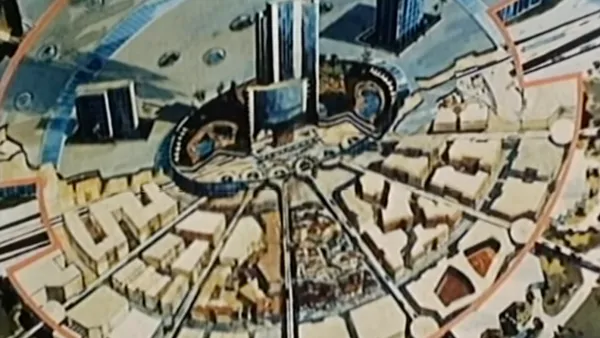
EPCOT: The Original 'Smart City'
What can today’s futurists learn from Disney’s unrealized utopia?

Toyota Wants to Build the City of the Future in Japan
Toyota plans to break ground on the "Woven City" future city prototype in 2021.

Salt Lake City debuts new bus rapid transit line
The third BRT line in the Utah Transit Authority system connects destinations from Taylorsville to the West Valley.

Planetizen Federal Action Tracker
A weekly monitor of how Trump’s orders and actions are impacting planners and planning in America.

California plans to bury El Niño’s downpour
If the state plays its cards right, it may be able to store a billion acre-feet of El Niño’s water in aquifers.

Chicago breaks ground on $3 billion megadevelopment
The new neighborhood, titled Foundry Park, will one day host 3,700 residences.

California High-Speed Rail Authority CEO resigns after $600,000 scandal
Under Ian Choudri, the authority used taxpayer dollars to fund first class flights and trips to nightclubs.

Want to study the Missouri River? Soon, you may need unanimous approval from 10 states
Legislation would require 10 governors’ permission to study or build projects moving water outside the basin.

Desperate measures: Advocates weigh draining Lake Powell to fill Colorado River
Draining the reservoir could reduce evaporation losses by a couple hundred thousand acre-feet.

FREE Course: Walkable City 1: Why Walkability?
After describing his path towards focusing on walkability as the essence of good planning, Jeff Speck marches through his five principal reasons for making more walkable places.
Reinventing Malls: Planning Alchemy—Turning Gray Fields Into Gold
The course focuses on the opportunities and imperatives that shape reinvention of mall sites.

City of Rosemead
Rutgers University, Edward J. Bloustein School of Planning and Public Policy
One Hundred Miles
Hunter College, City University of New York (CUNY)
The Architects Foundation
University of Cincinnati Online
City of Cambridge
Montrose County
The Pocatello Development Authority