The millions of smart meters and grid sensors in operation across North America are providing a flood of information that utilities are still struggling to process. But changes in operations are already emerging, and potential uses grow by the day.


Rebecca Smith looks at how utilities are filtering the flood of information inundating them from the millions of meters, sensors and smart controllers installed over the last decade. "As utilities get their arms around the data, the implications for consumers could be significant," she says. The data is already speeding up repair processes, alerting customers to abnormal electricity use, and tipping off utilities to electricity theft.
"The power industry 'is where the retail industry was 25 years ago, when it was just beginning to use bar codes and scanners,' says Ken Seiden, director of energy for Navigant Consulting Inc. Retailers initially saw scanners as a way to trim labor costs, but soon found the devices helped them sharpen inventories and provided new insights into consumer preferences. Mr. Seiden believes utilities will learn a great deal more about their customers as well, thanks to the meters."
Read the full story: Utilities Try to Learn From Smart Meters


Climate change could double household water costs in some cities, study finds
New research suggests that climate change-related stressors are straining municipal water systems.
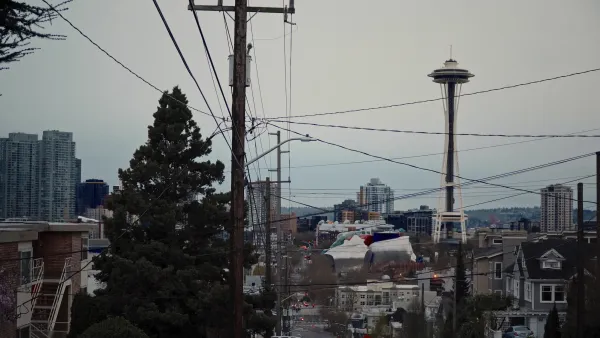
Seattle Density Increase Stymied by Underground Power Line Requirement
A new policy that requires buildings with four or more units to bury their electrical lines is making housing development more costly and causing months-long delays.
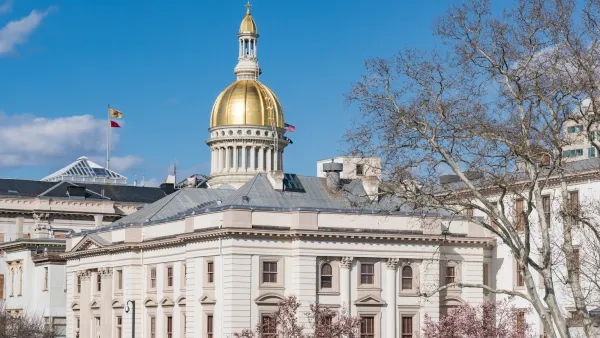
New Jersey Lawmakers Push New Tariffs for “Large-Load” Data Centers
A proposed law would tax data center operators for high power use and incentivize them to increase energy efficiency.

Planetizen Federal Action Tracker
A weekly monitor of how Trump’s orders and actions are impacting planners and planning in America.

The state-sanctioned urbicide of Austin
People don’t kill cities. Freeways do.

US to reduce Colorado River water deliveries to Mexico
A new Colorado Treaty amendment reduces Mexico’s Colorado River water allocation by 250,000 acre feet.

Nation's most wind-powered state turns to coal as data centers increase energy demand
For the first time in decades, Iowa has increased its generation of coal power.

NYC cools commuters with city's first rain garden above a bus stop
New York City officials say the plants in the rain garden can absorb 16 gallons of rainwater during heavy storms.

Brightline West’s future may rely on $6 billion federal loan
The company has until Nov. 2 to make a $400 million equity investment into its proposed high-speed rail line.

FREE Course: Walkable City 1: Why Walkability?
After describing his path towards focusing on walkability as the essence of good planning, Jeff Speck marches through his five principal reasons for making more walkable places.
Reinventing Malls: Planning Alchemy—Turning Gray Fields Into Gold
The course focuses on the opportunities and imperatives that shape reinvention of mall sites.

Greater Baltimore Committee
Eagle County Government
Harvard University Graduate School of Design
The Architects Foundation
University of Cincinnati Online
The Pocatello Development Authority
The Urban Renewal Agency of the City of Pocatello
Journal of the American Planning Association