On the 25th anniversary of sociologist William Julius Wilson's seminal book on urban poverty, the effect of neighborhoods on people's lives is getting renewed attention in academia. But is anyone in power listening?


Marc Parry looks at the ways in which Wilson's 1987 book, The Truly Disadvantaged, has influenced our understanding of the impact of place on people's lives, and the urban policies created to fight poverty and its effects. Wilson's work has influenced a generation of sociologists, and the past two democratic presidents.
"In its capacity to spawn multiple interpretations, Wilson's book was 'like the Bible,' writes the urban historian Thomas J. Sugrue. It
resonated with 'liberal advocates of equality and conservative critics
of the black family.' It influenced policies to deconcentrate poverty by
tearing down projects and offering vouchers to escape ghettos."
And two important new books, one from Harvard sociologist Robert J. Sampson and one by Patrick Sharkey of New York University, are delving deeper into the "lasting
impact of place on people's lives" and the enduring relationship between
poor neighborhoods and poor families
However as concentrated poverty is again on the rise, "urban America faces what some scholars view as a frightening
moment," says Parry. Yet, "as scholars break new ground," he wonders, "is anybody listening?"
"Not since the
early 1960s has poverty received so little attention, says Christopher
Jencks, a Harvard professor of public policy. Among sociologists, he
says, optimism that they will make a political impact has waned."
Read the full story: The Neighborhood Effect

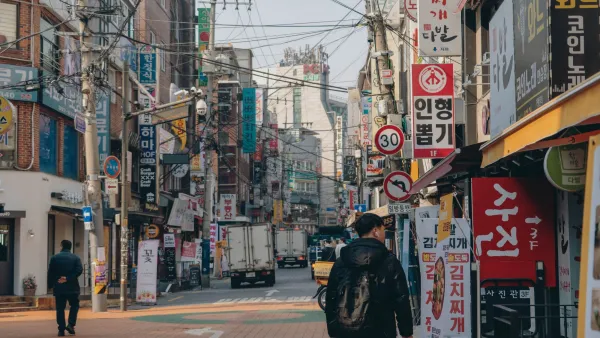
The Basement Apartments of Seoul’s Urban Poor
The lives of Seoul's poorest residents in squalid below-ground housing are brought out of the shadows in the film "Parasite."
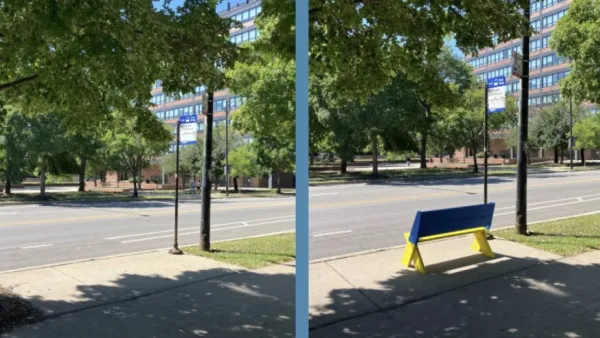
Guerilla urbanists are building DIY bus stop benches in Chicago
The new benches are not officially sanctioned or permitted, but the residents who placed them hope they will be the start of a network of DIY benches across the city.
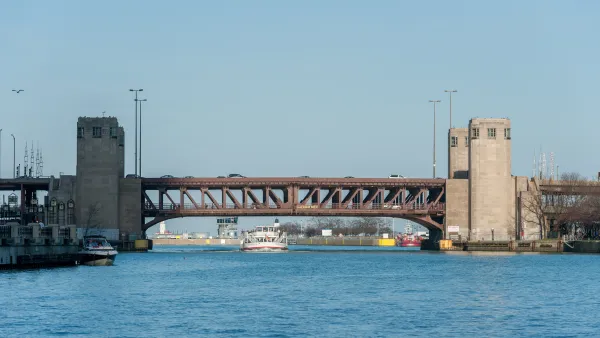
Extreme heat is paralyzing Chicago’s moveable bridges
If moveable bridges are raised during heatwaves, the metal can expand and jam the bridge's mechanisms, preventing it from lowering.

Planetizen Federal Action Tracker
A weekly monitor of how Trump’s orders and actions are impacting planners and planning in America.

The state-sanctioned urbicide of Austin
People don’t kill cities. Freeways do.

US to reduce Colorado River water deliveries to Mexico
A new Colorado Treaty amendment reduces Mexico’s Colorado River water allocation by 250,000 acre feet.

Nation's most wind-powered state turns to coal as data centers increase energy demand
For the first time in decades, Iowa has increased its generation of coal power.

NYC cools commuters with city's first rain garden above a bus stop
New York City officials say the plants in the rain garden can absorb 16 gallons of rainwater during heavy storms.

Brightline West’s future may rely on $6 billion federal loan
The company has until Nov. 2 to make a $400 million equity investment into its proposed high-speed rail line.

FREE Course: Walkable City 1: Why Walkability?
After describing his path towards focusing on walkability as the essence of good planning, Jeff Speck marches through his five principal reasons for making more walkable places.
Reinventing Malls: Planning Alchemy—Turning Gray Fields Into Gold
The course focuses on the opportunities and imperatives that shape reinvention of mall sites.

Eagle County Government
Harvard University Graduate School of Design
Nashville Planning Department
The Architects Foundation
University of Cincinnati Online
The Pocatello Development Authority
The Urban Renewal Agency of the City of Pocatello
Journal of the American Planning Association