As shifting demographics and the Great Recession increase the functional demands on the typical suburban single-family home, outdated zoning laws are preventing the economical use of underused space, writes S. Mitra Kalita.


With one in five college graduates living with his or her parents, seniors seeking to age in place, and the number of shared households rising, outdated zoning laws are preventing single-family homes from being able to meet these changing needs, writes Kalita. In response, "homeowners are pressing for changes in zoning laws
to allow rentals while home builders report a rise in demand for houses
with in-law suites or quarters with separate entry."
Efforts to ease restrictions on creating accessory dwellings in existing homes are facing resistance from long standing concerns about traffic, parking
and stress on utilities. However, new home construction seems to offer an easier route to multi-functional homes.
"Last year, Lennar Corp. rolled out a 'Next Gen' model, calling it a 'home within a home,'" notes Kalita. "The
houses feature a completely separate unit-with own entry, kitchen,
bathroom, bedroom and living area-attached to the main house with a
double door similar to adjoining hotel rooms."
Read the full story: Multiple Families, One Roof
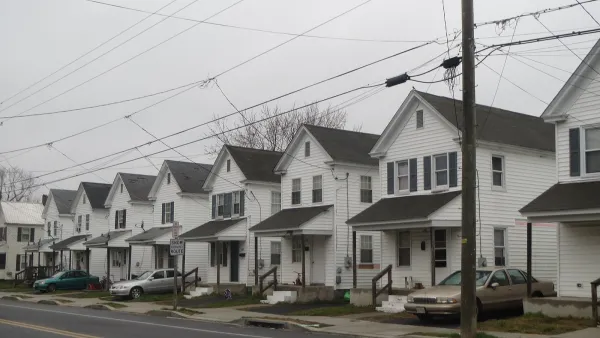
Opinion: Oversized Mansions Are Harming Maryland Neighborhoods
'Mega-mansions' are rapidly replacing smaller single-family homes, pushing Maryland residents out of its formerly affordable suburbs.
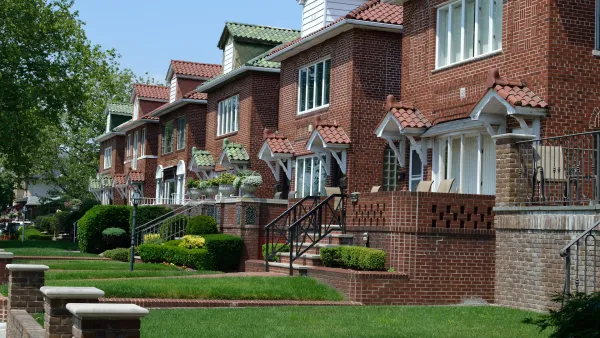
What Trump Gets Wrong About America’s Suburbs
The Trump administration’s talk about protecting the suburbs is based on misrepresentations of who really lives in suburbs and what these communities need.
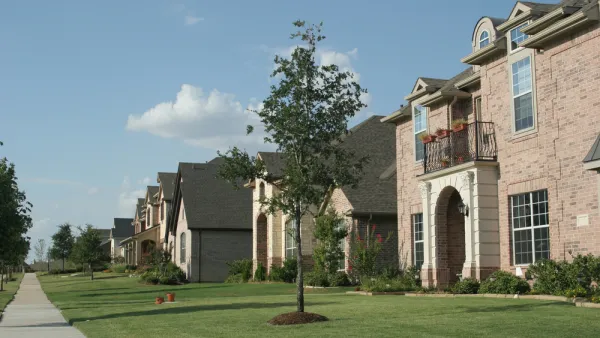
Affordable Housing Challenges in Beltway Suburbs
More people are moving to suburban counties, but a lack of affordable housing in places such as Loudon County, Virginia, means the suburbs are not an option for a growing number of people.

Planetizen Federal Action Tracker
A weekly monitor of how Trump’s orders and actions are impacting planners and planning in America.

California plans to bury El Niño’s downpour
If the state plays its cards right, it may be able to store a billion acre-feet of El Niño’s water in aquifers.

Desperate measures: Advocates weigh draining Lake Powell to fill Colorado River
Draining the reservoir could reduce evaporation losses by a couple hundred thousand acre-feet.

Housing is the top priority of Seattle’s sole new councilmember
Jenks campaigned on building 1,000 new units of affordable housing.

New tax cuts may slash $1.5 billion in funding for Miami transit, public parks
Amendment 3 will save Miami-Dade homeowners $2,700 in 2028.

Arizona, Wisconsin, Pennsylvania hope to finally advance climate goals post-midterms
The three states have spent years under Republican or divided control.

FREE Course: Walkable City 1: Why Walkability?
After describing his path towards focusing on walkability as the essence of good planning, Jeff Speck marches through his five principal reasons for making more walkable places.
Reinventing Malls: Planning Alchemy—Turning Gray Fields Into Gold
The course focuses on the opportunities and imperatives that shape reinvention of mall sites.

City of Rosemead
Rutgers University, Edward J. Bloustein School of Planning and Public Policy
One Hundred Miles
University of Michigan School for Environment and Sustainability (SEAS)
Hunter College, City University of New York (CUNY)
The Architects Foundation
City of Cambridge
Montrose County
The Pocatello Development Authority