Branden Klayko reports on experimental efforts in the emerging field of service design, which aims to improve interactions between public services and their customers through research, advocacy, and technical assistance.


Klayko writes about a new Brooklyn-based non-profit called Public Policy Lab (PPL), who seek to "improve efficiencies between the public agencies and their audience, while also saving money", by looking at the ways in which agencies, such as the DMV or Post Office, interact with their customers through the design of their physical spaces, forms, and products.
PPL is currently working on a project with Parsons' new interdisciplinary service design program, the DESIS Lab, to improve the flow of information and communication between the NYC Department of Housing Preservation and Development (HPD) and its clients.
According to Klayko, "While service design has long been employed in the private sector, [PPL executive director Chelsea] Mauldin believes this approach has broad applications in the public sector. She said service design is picking up where public space design began several decades ago."
FULL STORY: Streamlined

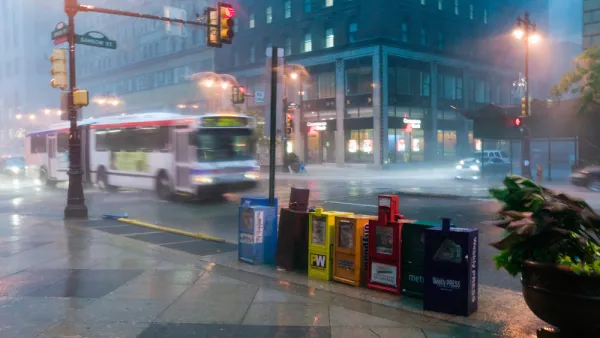
The Bus Revolution Has Been Revised in Philadelphia
The Southeastern Pennsylvania Transportation Authority went back to the drawing board with its Bus Revolution system redesign after an initial round of feedback completed earlier this year.
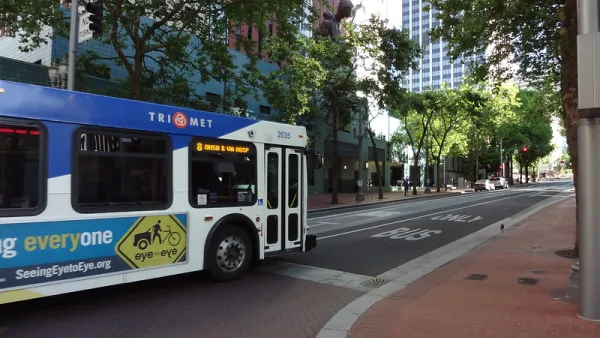
‘Forward Together’ Bus System Redesign Rolling Out in Portland
Portland is redesigning its bus system to respond to the changing patterns of the post-pandemic world—with twin goals of increasing ridership and improving equity.
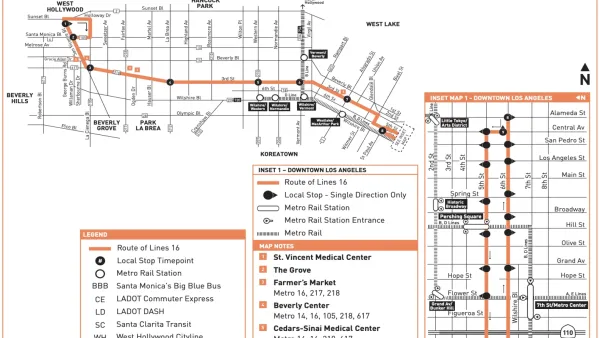
Popular L.A. Bus Line to Replace Schedule With ‘Headway-Based Operations’
Los Angeles’ 16 bus, which cuts across the city on Third Street through some of the city’s densest neighborhoods, will experiment with a new approach to service design.

Planetizen Federal Action Tracker
A weekly monitor of how Trump’s orders and actions are impacting planners and planning in America.

The state-sanctioned urbicide of Austin
People don’t kill cities. Freeways do.

US to reduce Colorado River water deliveries to Mexico
A new Colorado Treaty amendment reduces Mexico’s Colorado River water allocation by 250,000 acre feet.

Guerilla urbanists are building DIY bus stop benches in Chicago
A before-and-after of one of the bus stops with a new bench. The new benches are not officially sanctioned or permitted, but the residents who placed them hope they will be the start of a network of DIY benches across the city.

Mamdani overhauls NYC's Vision Zero plan with 100 new policy goals
The overhaul aims to reduce traffic deaths and make streets safer for pedestrians, cyclists and drivers through lower speed limits, new safety infrastructure and more.

Amtrak not solely to blame for New Jersey commuter rail's unreliability, report finds
A new study from the Garden State Initiative found that NJ Transit’s budget grew 20% across a 4 year period, but reliability declined significantly over the same period.

FREE Course: Walkable City 1: Why Walkability?
After describing his path towards focusing on walkability as the essence of good planning, Jeff Speck marches through his five principal reasons for making more walkable places.
Reinventing Malls: Planning Alchemy—Turning Gray Fields Into Gold
The course focuses on the opportunities and imperatives that shape reinvention of mall sites.

Eagle County Government
Harvard University Graduate School of Design
Nashville Planning Department
The Architects Foundation
University of Cincinnati Online
The Pocatello Development Authority
The Urban Renewal Agency of the City of Pocatello
Journal of the American Planning Association