When civic leaders from around the world gathered for Vancouver's 2012 Cities Summit last week, urban transport was on everyone's lips, and information sharing was seen as the key to unlocking future successes.


Fortuitously, as Alexis Stoymenoff reports, for cities and transportation agencies strapped for funding, improvements to transit systems can be made relatively simply, with better use of information that is already at hand.
"By opening up data collected by different municipal departments and agencies, cities can offer new and creative services (like transit apps) with little cost to taxpayers."
According to Gordon Feller, Director of Cisco Systems' Urban Innovations program, "It's not something that the city has to spend money to develop. Third parties will develop it, and the city can take advantage of it."
Read the full story: Key to smart transit is data sharing, experts say at Cities Summit


Idaho may see an 18% drop in federal surface transit funding — the largest estimated cut in the US
Transit systems in rural communities are much more reliant on federal funding to provide their services.
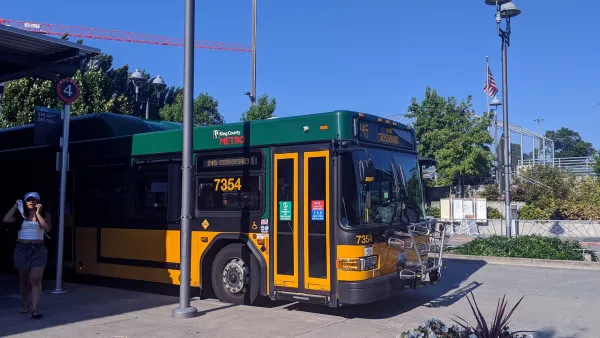
King County Metro adds 3,000 weekly bus trips, more connections to rail
King County Metro and Sound Transit are both making major adjustments to their bus networks to improve light rail connectivity across the region.
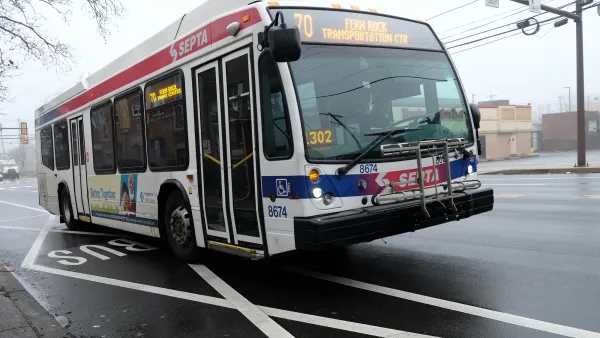
Pennsylvania lawmaker wants to ban fully self-driving buses
State Rep. Ben Waxman's proposed bill would require autonomous buses to have a licensed driver on board.

Planetizen Federal Action Tracker
A weekly monitor of how Trump’s orders and actions are impacting planners and planning in America.

‘Going backwards:’ Baltimore mayor, students rally against state's transit funding plan
Maryland's proposed six-year plan provides no funding for Baltimore’s BMORE bus program and reduces its road maintenance funding.

Detroit to transform waterfront with $2.2 billion investment
Developers will convert about 18 acres of unused parking lot space into civic spaces.

Less housing, wasted money: study reveals impact of city parking mandates
The study found that 71% of carless households in the United States pay for a parking space they don’t use.

Minnesota seeks to replace fraud-ridden Housing Stabilization Services with new program
Federal prosecutors have charged over a dozen people in fraud cases involving at least $26 million.

A multi-billion dollar problem is brewing under Oakland’s streets
Oakland’s stormwater drainage systems are in desperate need of upgrades and repairs. The El Niño will only further strain the city’s infrastructure.

FREE Course: Walkable City 1: Why Walkability?
After describing his path towards focusing on walkability as the essence of good planning, Jeff Speck marches through his five principal reasons for making more walkable places.
Reinventing Malls: Planning Alchemy—Turning Gray Fields Into Gold
The course focuses on the opportunities and imperatives that shape reinvention of mall sites.

One Hundred Miles
County of Mendocino
planning NEXT
The Architects Foundation
University of Cincinnati Online
Montrose County
Northern Illinois Transit Authority (NITA)
The Pocatello Development Authority