With available funding from U.S. Tiger grant, Los Angeles has big hopes for its downtown which include a streetcar line that would go from north to south. Critics say the line is redundant of other existing transit.


"Los Angeles submitted an application for U.S. TIGER funds with the intention of building a downtown streetcar line. But the alignments proposed are very similar to those offered by existing rail and bus services - and each would operate in a one-way loop, a failed transit concept," said reporter Yonah Freemark.
Even though the new proposed streetcar plan will pass through similar points, many advocate that "the line would attract more customers to their stores and contribute to a more vibrant environment. The majority of costs for the line ($50 to $60 million) are expected to be covered by property owners, who are enthusiastic about the regeneration of the area," says Freemark.
Though there are several routes under consideration, a final route will be selected in February of 2012.
Read the full story: Los Angeles’ Streetcar Plans: Too Duplicative of Existing Services?

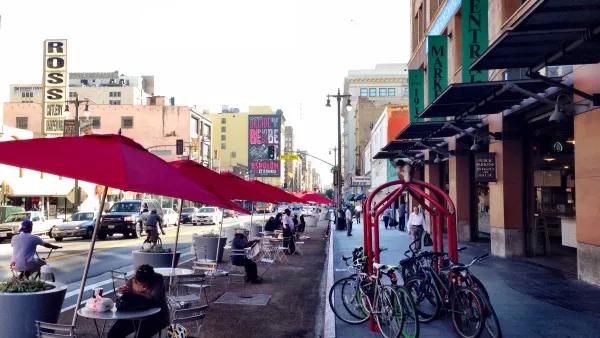
L.A. Officials to Look at Possibility of Car-Free Downtown Broadway
Los Angeles may follow in San Francisco’s footsteps by banning cars along a stretch of a downtown thoroughfare.
Specious Cost Estimates Could Scuttle L.A. Streetcar
Questions about specious cost estimates that were the basis of a ballot initiative to fund a new L.A. streetcar line were kept from voters, a Los Angeles Times investigation has revealed. The project may have to be delayed, shortened, or cancelled.
Mind the Gap: Funding Hole Could Halt Downtown L.A. Streetcar Plans
When voters in downtown L.A. approved a special taxing district to help fund a new $125 million streetcar line, one small detail was left out of project cost estimates - $166 million in potential utility work. Might this gap kill the project?

Amtrak, CN end decades-long dispute with eight-year agreement
The new operating agreement establishes an updated framework for the companies to work together, including processes to resolve disputes.

Judges permit Denver to divert 77,000 acre feet from the Colorado River for reservoir expansion
Overuse and climate change have caused the Colorado River’s water levels to plummet.
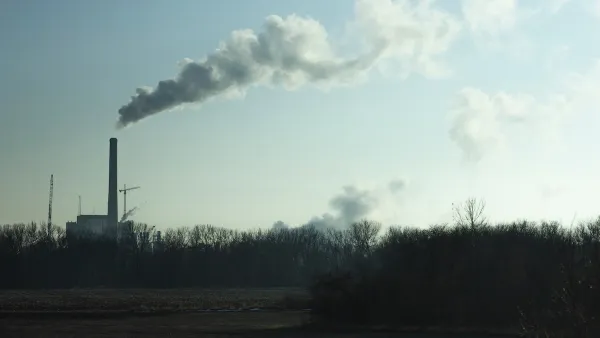
Nation's most wind-powered state turns to coal as data centers increase energy demand
For the first time in decades, Iowa has increased its generation of coal power.

Boston has spent millions making the Green Line more accessible — and there’s no end in sight
While the city has invested millions into expanding and adding platforms to the Green Line to make it more accessible, new train cars set to arrive next year will be too tall for disabled passengers to board without raising the current platforms.

Idaho may see an 18% drop in federal surface transit funding — the largest estimated cut in the US
Transit systems in rural communities are much more reliant on federal funding to provide their services.

How ‘post-disaster gentrification’ alters neighborhoods after natural calamities
After hurricanes, fires or other calamities, the original residents of a community are often replaced by younger, wealthier residents.

FREE Course: Walkable City 1: Why Walkability?
After describing his path towards focusing on walkability as the essence of good planning, Jeff Speck marches through his five principal reasons for making more walkable places.
Reinventing Malls: Planning Alchemy—Turning Gray Fields Into Gold
The course focuses on the opportunities and imperatives that shape reinvention of mall sites.

City of Wisconsin Rapids
Harvard University Graduate School of Design
KFH Group Inc.
The Architects Foundation
University of Cincinnati Online
The Pocatello Development Authority
The Urban Renewal Agency of the City of Pocatello