Unable to pay for transportation infrastructure and unlikely to get help at the federal level, cities and states are looking to private entities to build and invest in their infrastructure projects.


"There are at least 70 privately funded and managed infrastructure projects across the United States in various stages of development, according to a list compiled by the law firm Allen & Overy. These are part of a vast network of roads, bridges and tunnels - to say nothing of the subways, ports, airports and water systems - crying out for attention. Consider this: Over the past 60 years, the United States has built a 46,876-mile federal highway system that is now in dire need of repair. As a result, states have had to pour more of their transportation dollars into fixing aging highways and even in good times have little or nothing left over for new construction."
Read the full story: With U.S. infrastructure aging, public funds scant, more projects going private


Cleveland Announces Transit-Oriented Riverfront Development
The proposed development would include 130 acres of housing, retail, and entertainment spaces.
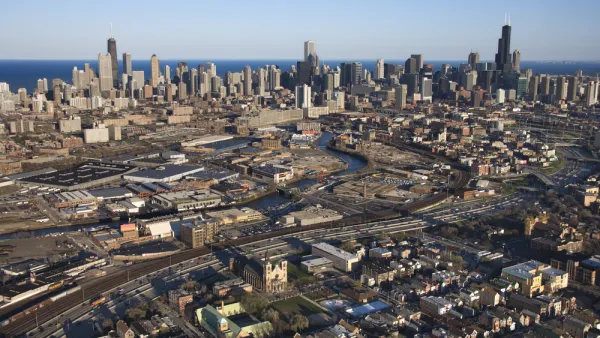
Chicago Planning Commissioner Focuses on Disinvested Neighborhoods
A new initiative seeks to bring investment dollars to Chicago communities that for decades have suffered from the loss of wealth and population.
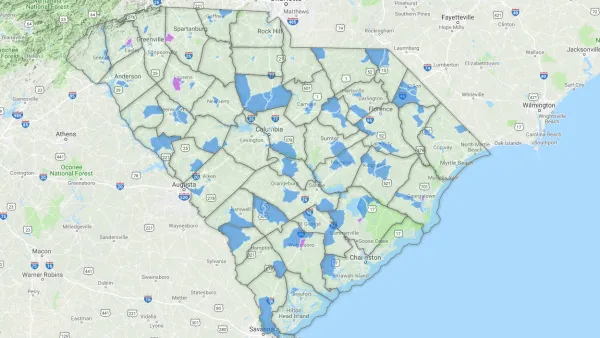
How Smaller Cities Are Trying to Attract Opportunity Zone Investors
Cities and states are altering local policies to maximize benefits for private investors in Opportunity Zones.

Planetizen Federal Action Tracker
A weekly monitor of how Trump’s orders and actions are impacting planners and planning in America.

‘Going backwards:’ Baltimore mayor, students rally against state's transit funding plan
Maryland's proposed six-year plan provides no funding for Baltimore’s BMORE bus program and reduces its road maintenance funding.
Mamdani sent nearly 6,000 pied-à-terre tax warnings to homes that didn’t qualify
A judge has ordered the administration to cancel thousands of pied-à-terre tax notices after it sent 35% of them erroneously.

A Colorado neighborhood is the testing ground for the future of home energy
A start up may have found a way to quickly bring geothermal energy to new communities.

Mamdani sent nearly 6,000 pied-à-terre tax warnings to homes that didn’t qualify
A judge has ordered the administration to cancel thousands of pied-à-terre tax notices after it sent 35% of them erroneously.

Detroit to transform waterfront with $2.2 billion investment
Developers will convert about 18 acres of unused parking lot space into civic spaces.

FREE Course: Walkable City 1: Why Walkability?
After describing his path towards focusing on walkability as the essence of good planning, Jeff Speck marches through his five principal reasons for making more walkable places.
Reinventing Malls: Planning Alchemy—Turning Gray Fields Into Gold
The course focuses on the opportunities and imperatives that shape reinvention of mall sites.

City of Thousand Oaks
City of Wisconsin Rapids
Harvard University Graduate School of Design
The Architects Foundation
University of Cincinnati Online
Northern Illinois Transit Authority (NITA)
The Pocatello Development Authority
The Urban Renewal Agency of the City of Pocatello