Nevada has gone from having the lowest unemployment in the US in 2006 at 4% to the highest now at 13.4%. Once again Las Vegas is proving to be a reflection of the country's wider problems, where the top end of the market never dropped out.


Dominic Rushe describes a unique situation where thousands of construction jobs have been wiped out and empty casinos at the northern end of the strip lie dormant, while seven Louis Vuitton stores within a seven mile radius are "kicking butt and having record months."
Jim Murren, chief executive of MGM Resorts, the towns biggest casino firm, sees plenty of encouraging signs but, he says, "The remnants of the recession are still being felt today. You need look no further than the unemployment numbers or the foreclosure rate for homes. Prices have fallen 50-60% in some cases. Look at the tremendous pressure that's been put on public services, shelters, food banks."
The construction boom that underpinned growth in the last two decades is over and there is little new construction in the pipeline. The Pew Hispanic Center last year concluded that many of the illegal immigrants who did much of the heavy lifting during the growth years have left, and the numbers entering the US in general has dropped by two thirds. Las Vegas locals agree, and are now tending to their own gardens and pools.
After decades of "epic, unparalleled growth" this community was "hit as hard, if not harder than any community in the Unites States," he says. Now the top end of the market, which never really dropped, is back, empowered by the most luxurious services the city has to offer, and under-girding growth in areas like the private jet and helicopter industries. But the middle classes, still trapped by a weak job landscape and lack of credit, are yet to return in numbers.
Read the full story: Behind Las Vegas Glitz and Glamour Lies A Dark City Marred By Poverty

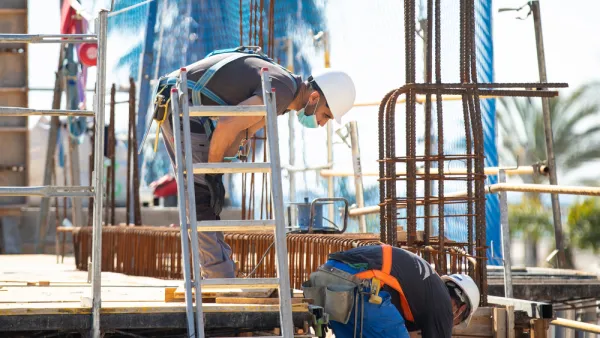
Layoffs Sweeping the Construction Industry
Halted construction work has contributed to a growing number of layoffs in the construction industry during the month of April.
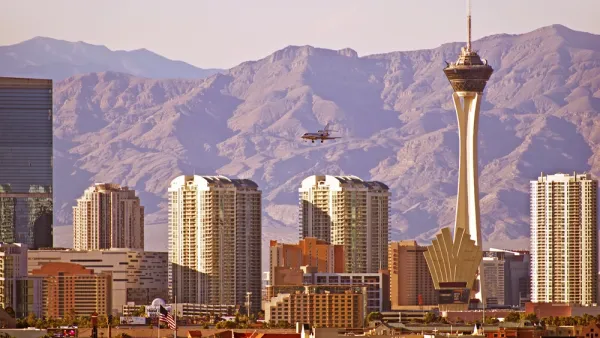
Las Vegas Faces a Challenging and Uncertain Environmental Future
Excessive heat will impact the desert city in the coming years, and major steps need to be taken now to change its course.
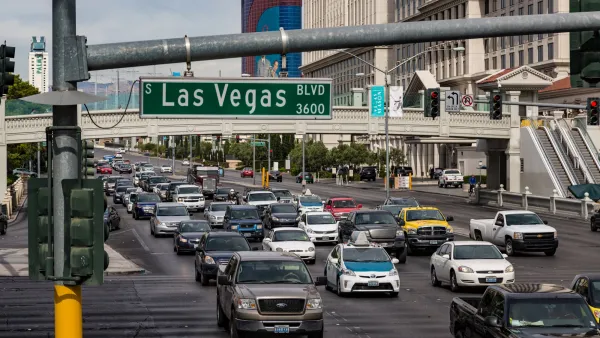
In Las Vegas, Ridesharing and Transit Complement and Compete
A look at transportation trends in Las Vegas suggests a surprising relationship between ridesharing and transit.

Planetizen Federal Action Tracker
A weekly monitor of how Trump’s orders and actions are impacting planners and planning in America.

Amtrak, CN end decades-long dispute with eight-year agreement
The new operating agreement establishes an updated framework for the companies to work together, including processes to resolve disputes.

Judges permit Denver to divert 77,000 acre feet from the Colorado River for reservoir expansion
Overuse and climate change have caused the Colorado River’s water levels to plummet.

NYC releases high-tech public restrooms — with a 10 minute time limit
The $4 million pilot program aims to make it easier for people to find public restrooms in New York City.

Alabama scores up to $2.5 billion federal loan for largest infrastructure project in state’s history
The Mobile River Bridge and Bayway Project aims to ease congestion at Alabama’s worst bottleneck.

Trump is considering data centers on 6 states' public land — some state officials say they had no idea
If the administration approves the proposed projects, data center and data center-related developments will cover 17,600 acres of public land.

FREE Course: Walkable City 1: Why Walkability?
After describing his path towards focusing on walkability as the essence of good planning, Jeff Speck marches through his five principal reasons for making more walkable places.
Reinventing Malls: Planning Alchemy—Turning Gray Fields Into Gold
The course focuses on the opportunities and imperatives that shape reinvention of mall sites.

KFH Group Inc.
Greater Baltimore Committee
Eagle County Government
The Architects Foundation
University of Cincinnati Online
The Pocatello Development Authority
The Urban Renewal Agency of the City of Pocatello