One out of every two Latino's live in the nation's top 25 most ozone-polluted cities according to a new report. KQED's California Report interviews one of the co-authors, the Director of Latino Outreach for NRDC, in this radio report.


KQED's (public radio) Central Valley bureau chief Sasha Khokha reports on a new study, "U.S. Latinos and Air Pollution: A Call to Action" that "finds that half of California's Latinos are at risk of breathing polluted air. The survey (from several environmental groups) says the nation's fastest growing population is also the most vulnerable because they are disproportionately concentrated in the state's most polluted cities."
Natural Resources Defense Council co-author Adrianna Quintero, who directs their Latino Outreach Project, indicates that that the problem "is likely to get worse" as a result of the Obama administration's decision to delay the stricter ozone rules.
Read the full story: Latinos Increasingly At-risk From Air Pollution, Study Finds

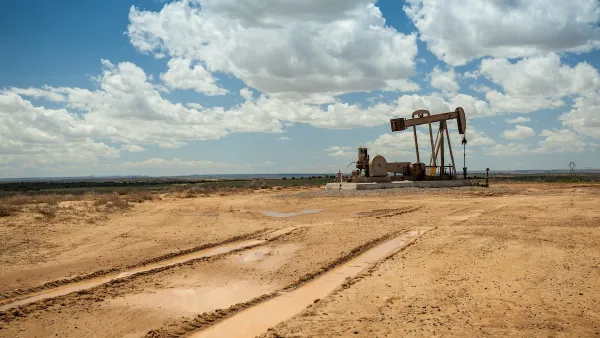
High Ozone Levels Threaten New Mexico Oil Town
The small community of Loving, New Mexico has higher ozone levels than dense cities like Los Angeles.
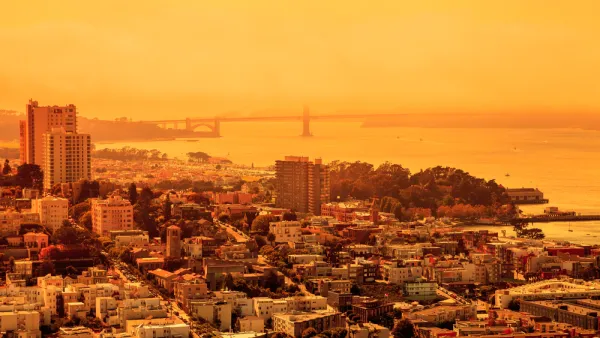
Report: The West Is the Worst for Air Quality
Thanks to longer fire seasons and increasingly intense blazes, Western states are experiencing the nation’s worst air quality.
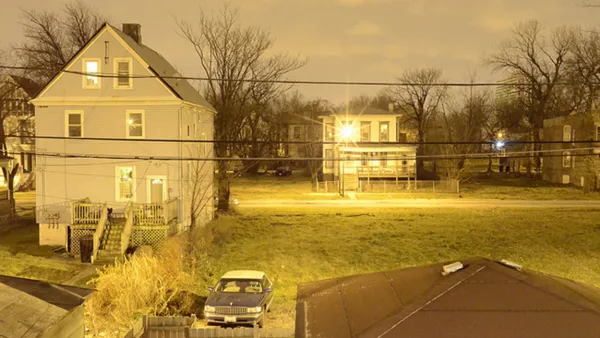
Chicago's Low Income Neighborhoods Face Worst Pollution, Study Finds
A report from the Natural Resources Defense Council (NRDC) found that Chicago's South and West sides face more air pollution than the wealthier parts of the city.

Planetizen Federal Action Tracker
A weekly monitor of how Trump’s orders and actions are impacting planners and planning in America.

California plans to bury El Niño’s downpour
If the state plays its cards right, it may be able to store a billion acre-feet of El Niño’s water in aquifers.

Chicago breaks ground on $3 billion megadevelopment
The new neighborhood, titled Foundry Park, will one day host 3,700 residences.

One of Denver’s busiest corridors to gain BRT
The project will span 18 miles and contain 74 bus rapid transit stations.

275,000 bus trips are at stake on Seattle's ballot
If passed, the Seattle Transit Measure would trigger a 0.3% sales tax and raise an average of $138 million per year to maintain and expand Seattle’s bus services.

Texas may pay Israeli company billions to ease water woes
Texas awarded IDE Technologies the contract for its Harbor Island project, which is slated to become the Western Hemisphere's largest desalination plant.

FREE Course: Walkable City 1: Why Walkability?
After describing his path towards focusing on walkability as the essence of good planning, Jeff Speck marches through his five principal reasons for making more walkable places.
Reinventing Malls: Planning Alchemy—Turning Gray Fields Into Gold
The course focuses on the opportunities and imperatives that shape reinvention of mall sites.

City of Rosemead
Rutgers University, Edward J. Bloustein School of Planning and Public Policy
One Hundred Miles
Hunter College, City University of New York (CUNY)
The Architects Foundation
University of Cincinnati Online
City of Cambridge
Montrose County
The Pocatello Development Authority