With development-friendly reform sweeping through planning in the U.K., English Heritage is concerned the historic sites and greenfields will get swept away with little to no process.


Richard Grey of the Times of London looks at a statement from English Heritage. The statement said that "while the framework was a move in the right direction, they say the changes it makes to the current system could result in many historic buildings being entirely changed in nature," according to Grey.
From the statement:"The way the bias towards granting permission is currently worded will result in harm being done to the historic environment without a justification being required, when currently one would be required.
"There is no policy to help decision-makers deal with proposals where there is moderate or minor harm to heritage assets, such as listed buildings. Most decisions affecting them will fall into these categories."
Read the full story: Planning reforms will devastate historic sites
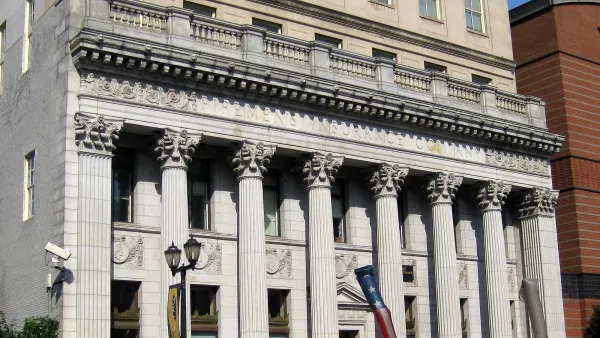
Historic Newark building to become affordable housing
The century-old building will be converted into nearly 200 homes with ground-floor retail.
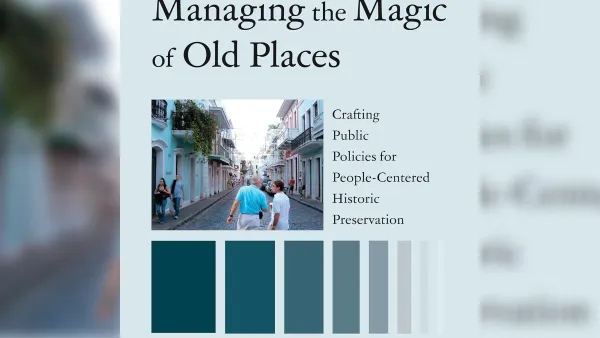
A call for people-centered historic preservation
'Managing the Magic of Old Places' offers a new vision for preservation that maintains its relevance while prioritizing the lived experience of residents of historic places.
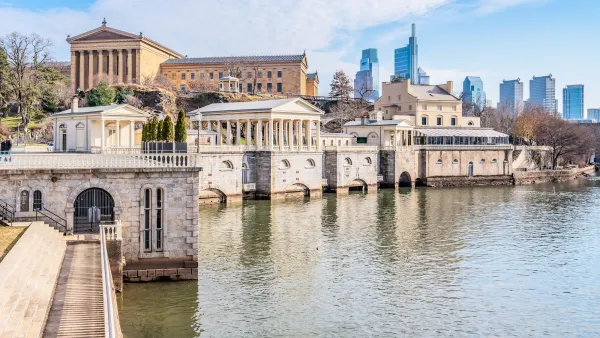
Pennsylvania’s Historic Sites are Under Threat From Rising Waters
The state has one of the nation’s highest concentrations of registered historic sites — and some face destruction from flooding.

Planetizen Federal Action Tracker
A weekly monitor of how Trump’s orders and actions are impacting planners and planning in America.

Washington state to charge fee to drivers with fuel-efficient cars
Revenue from the fee will go towards supporting the state’s highways.

Trump to blast ‘hydrocarbon highway’ through ‘world’s longest art gallery’
Environmental and historic preservation groups are suing to stop the project.

Minnesota Gold Line extension now has launch date
Plans to extend the Gold Line have existed since 2025.

Data centers need power – lower income, rural residents pay the price
In 2025, data centers paid only 38% of the energy infrastructure costs linked to their growth, with households, especially rural and low-income residents, bearing the remaining burden.

MBTA Green Line project moved to next phrase of CIG program
The modernization effort will cost $4.08 billion.

FREE Course: Walkable City 1: Why Walkability?
After describing his path towards focusing on walkability as the essence of good planning, Jeff Speck marches through his five principal reasons for making more walkable places.
Reinventing Malls: Planning Alchemy—Turning Gray Fields Into Gold
The course focuses on the opportunities and imperatives that shape reinvention of mall sites.

City of Charlotte
City of Rosemead
Rutgers University, Edward J. Bloustein School of Planning and Public Policy
University of Michigan School for Environment and Sustainability (SEAS)
Hunter College, City University of New York (CUNY)
The Architects Foundation
University District Partnership