Infrastructure costs are towering in the U.S., but much of that could be because of old habits in road building. This column looks at how cities and states can reduce their infrastructure costs.


Neal Peirce cites examples of places that are thinking more carefully about where roads are built and how.
"Growing numbers of hard-pressed counties - in Michigan, Alabama, Pennsylvania and other states - are actually "depaving," tearing up lightly-used asphalt rural roads and replacing them with gravel or other rough surfaces.
Other long-term, cost-saving strategies also exist for local governments. Examples: stop extending or improving roads for strip development. Focus on downtowns and neighborhood centers. Shift zoning to encourage mixed use instead of separated residential and commercial areas. And repeal sprawl inducements like minimum parking requirements for stores or apartment complexes."
Read the full story: Infrastructure Whistle-Blowing

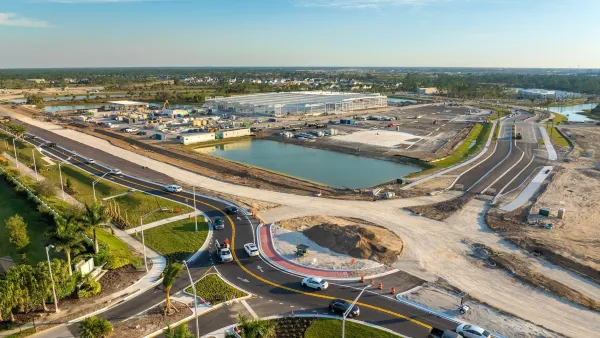
Analysis: What does America want from surface transportation reauthorization?
Over 13,000 comments were submitted in the federal Request for Information on surface transportation reauthorization. We analyzed all of them.
Follow Planetizen’s analysis of surface transportation reauthorization
Follow along as we explore the upcoming surface transportation reauthorization bill and its potential impacts on US transportation infrastructure in the coming years.
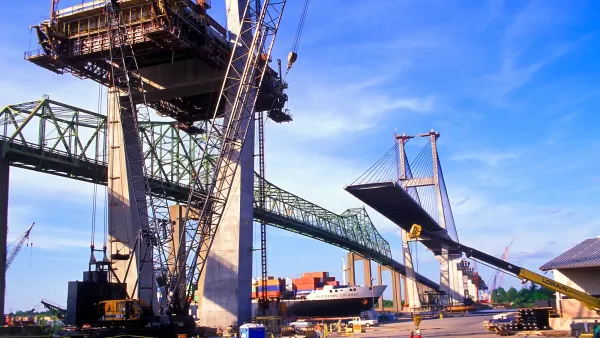
Five reasons infrastructure costs are spiking
State DOTs face a $86 billion shortfall over the next 10 years.

Planetizen Federal Action Tracker
A weekly monitor of how Trump’s orders and actions are impacting planners and planning in America.

Colorado’s Largest Data Center Could Rise Next to Homes — Without a Public Hearing
The proposed campus would consume 11 times the power of Denver International Airport; as it has across the country, opposition mounts.

US to reduce Colorado River water deliveries to Mexico
A new Colorado Treaty amendment reduces Mexico’s Colorado River water allocation by 250,000 acre feet.
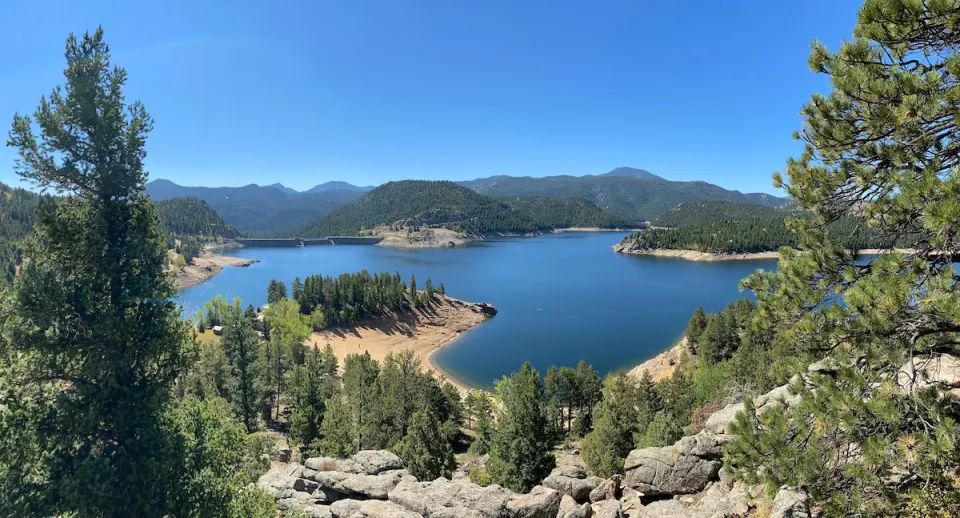
Judges permit Denver to divert 77,000 acre feet from the Colorado River for reservoir expansion
Overuse and climate change have caused the Colorado River’s water levels to plummet.

Amtrak, CN end decades-long dispute with eight-year agreement
The new operating agreement establishes an updated framework for the companies to work together, including processes to resolve disputes.

Raised interest rates may kill financially vulnerable construction projects
The chief economist at ConstructConnect warns that if construction project owners are negatively impacted by the raised rates, it could result in delayed payments to contractors.

FREE Course: Walkable City 1: Why Walkability?
After describing his path towards focusing on walkability as the essence of good planning, Jeff Speck marches through his five principal reasons for making more walkable places.
Reinventing Malls: Planning Alchemy—Turning Gray Fields Into Gold
The course focuses on the opportunities and imperatives that shape reinvention of mall sites.

KFH Group Inc.
Greater Baltimore Committee
Eagle County Government
The Architects Foundation
University of Cincinnati Online
The Pocatello Development Authority
The Urban Renewal Agency of the City of Pocatello