Community leaders argue that the recently approved Philadelphia comprehensive plan does more for developers than the working class in this op-ed.


The authors, leaders in the African-American community in Philadelphia, argue that the comprehensive plan prioritizes converting industrial buildings into artist's lofts, but focuses little attention to community needs like more supermarkets:
"The plan's energy goes chiefly into looking out for developers, upper-income suburbanites, and the new college graduates the city hopes to attract. It spends as much time on "farmers' markets" and "urban agriculture" as it does on the need for new supermarkets, and it hopes to convert "obsolete" industrial buildings into lofts for young artists instead of investing in the city's current residents and small businesses."
The leaders also say that affordable housing was given little attention in the 232-page comprehensive plan.
FULL STORY: Gentrification is goal of city plan

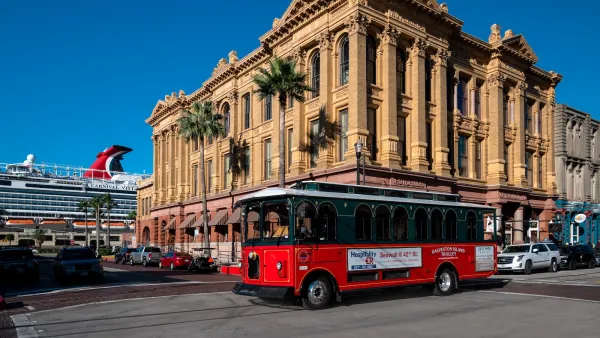
A Historic Texas Beach Town Faces Existential Growth Questions
Galveston, Texas is growing — and so are questions about its land use strategy.
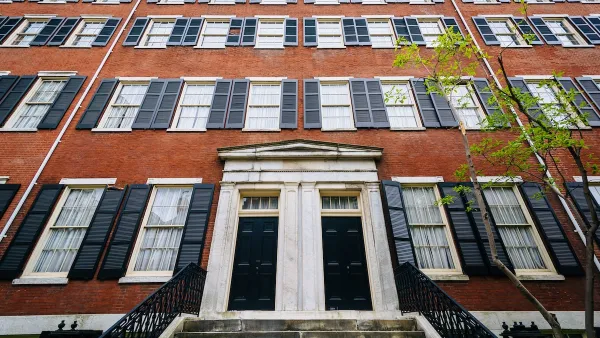
Philly Residents Push Back on New Historic Preservation District
Some residents of Philadelphia’s newly designated Washington Square West Historic District say the community was left out of the decision-making process that could impact housing costs and building requirements.
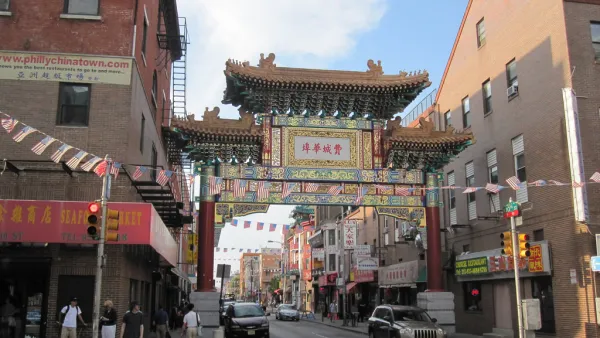
Equitable Development Plan Aims To Protect Philly's Chinatown
As the historic neighborhood experiences increased redevelopment around the new Rail Park, community activists are working to ensure older residents and businesses aren't displaced in the process.

Planetizen Federal Action Tracker
A weekly monitor of how Trump’s orders and actions are impacting planners and planning in America.

The state-sanctioned urbicide of Austin
People don’t kill cities. Freeways do.

US to reduce Colorado River water deliveries to Mexico
A new Colorado Treaty amendment reduces Mexico’s Colorado River water allocation by 250,000 acre feet.

5 New England states march closer to 800 megawatt wind energy project
Securing federal approval for the project may be complicated under the Trump administration, which has historically been hostile towards domestic wind power.

Baltimore to break ground on $50 million Transit Priority Project
The project will bring faster bus trips, safer streets and better bike connections to Baltimore.

Airbnb launches $250 million 'last-dollar financing' housing accelerator, makes first investment in Austin
The company will put $6.4 million towards affordable housing development in Texas’ capital.

FREE Course: Walkable City 1: Why Walkability?
After describing his path towards focusing on walkability as the essence of good planning, Jeff Speck marches through his five principal reasons for making more walkable places.
Reinventing Malls: Planning Alchemy—Turning Gray Fields Into Gold
The course focuses on the opportunities and imperatives that shape reinvention of mall sites.

Eagle County Government
Harvard University Graduate School of Design
Nashville Planning Department
The Architects Foundation
University of Cincinnati Online
The Pocatello Development Authority
The Urban Renewal Agency of the City of Pocatello
Journal of the American Planning Association