As riots engulf London, the role of technology in cities and crime-fighting comes into the spotlight. Some wonder whether this could usher in the age of facial recognition in cities.


"Web vigilantes are doing their best to make sure facial recognition technology gets a fair shake in the London riots, though. Just last week, researchers established that off-the-shelf facial recognition technology mixed with Facebook's vast database of photos linked to people's real identities can lead to fairly reliable identification of complete strangers. Digital crime-fighters plan to use the same techniques the researchers used to identify students at Carnegie Mellon University to identify English rioters. On a Google group called London Riots Facial Recognition, a bunch of technophiles are discussing using Face.com's facial recognition API to create a Facebook app that will identify ne'er-do-wells in London."
The concept of facial recognition is increasingly attractive to some crime fighting organizations, but hasn't yet taken hold completely. London police have been posting images form video cameras online to try to get people to identify rioters.
Read the full story: Will The London Riots Be The Turning Point For Facial Recognition As A Crime-Fighting Tool?
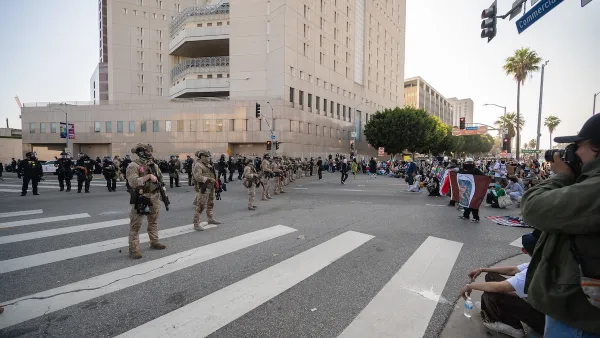
Opinion: Far From Cauldrons of Violence, Cities are Anti-Crime Innovators
Rather than funding the performative militarization of law enforcement, the federal government could instead support programs that prevent poverty and crime before it happens.
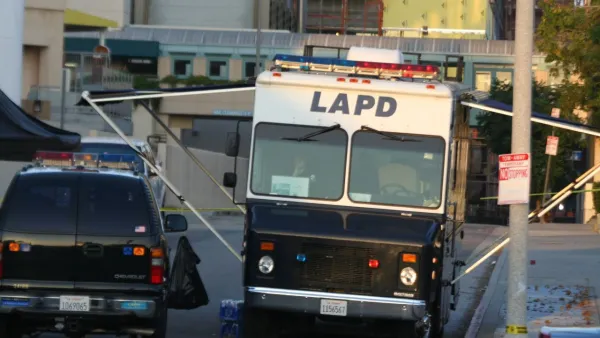
LAPD is Looking for 5,000 Volunteers to Help Police Neighborhoods
The Los Angeles Police Department is looking to recruit 5,000 volunteers to run stake outs and "undercover surveillance," along with other police activities.
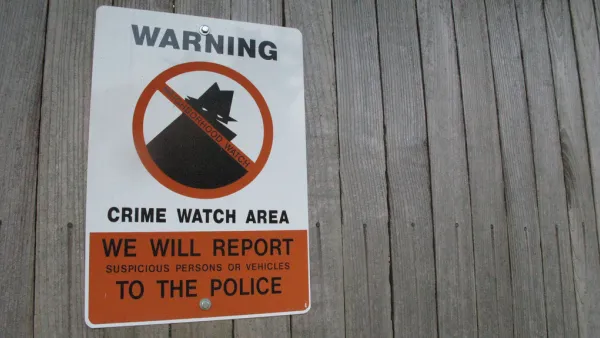
Op-Ed: Seattle Should Do More About Crime in Business Districts
To combat a rash of incivility and outright criminal acts, three Business Improvement Area directors argue that Seattle needs to commit more law enforcement resources to business districts.

Washington state to charge fee to drivers with fuel-efficient cars
Revenue from the fee will go towards supporting the state’s highways.

Illinois considers spending $1 billion in taxpayer money on data center
A quantum computing campus and data center are currently under construction in Chicago.

Trump to blast ‘hydrocarbon highway’ through ‘world’s longest art gallery’
Environmental and historic preservation groups are suing to stop the project.

NYC, state sue feds over mixed-immigration-status housing assistance rule
The state’s lawsuit argues that the rule change violates the Administrative Procedure Act.

Michigan to turn neighborhood into virtual power plant
Residents will soon be able to divert their excess energy to the grid in exchange for compensation.

Data center, mining project swarm to long-awaited Alaska railroad line
The state-owned railroad approved final plans for the spur line this week; the project is expected to cost $311 million, mostly funded by the federal government

FREE Course: Walkable City 1: Why Walkability?
After describing his path towards focusing on walkability as the essence of good planning, Jeff Speck marches through his five principal reasons for making more walkable places.
Reinventing Malls: Planning Alchemy—Turning Gray Fields Into Gold
The course focuses on the opportunities and imperatives that shape reinvention of mall sites.

City of Charlotte
City of Rosemead
Rutgers University, Edward J. Bloustein School of Planning and Public Policy
University of Michigan School for Environment and Sustainability (SEAS)
Hunter College, City University of New York (CUNY)
The Architects Foundation
University District Partnership