Despite wildlife declines caused by factors such as Britain's urban sprawl, researchers suspect that cities are better habitats for pollinating insects because they have a greater number and diversity of flowers, reports Rebecca Morelle for BBC.


A countrywide survey being conducted by Professor Jane Memmott and others from University of Bristol is cataloging the habitats of insect pollinators.
The count is being conducted in 12 cities, farmland habitats and nature reserves in Britain.
"'Cities can be good because they contain a huge diversity of sites: you've got gardens, you've got meadows, you've got nature reserves, says Professor Memmott."
"'The flowering season is longer, because gardeners love things that flower really early and flower really late, so there's forage over a longer period of time. And my gut feeling is that this is probably more of a reliable source of food, (says Professor Memmott)'"
"In contrast, farmland habitats can offer a feast and famine situation for insects: when a crop such as oil seed rape is in flower, pollinators will flock, but once the bloom is over, there is little there for them."
Read the full story: Cities could be the key to saving pollinating insects
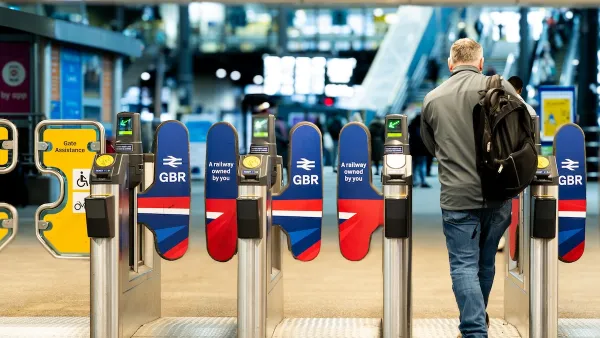
To privatize, or not to privatize? Lessons from Britain and Japan's railways
When Britain and Japan faced the consequences of monopolistic public transit, both countries divided their transit up into regional private companies — and saw very different outcomes.
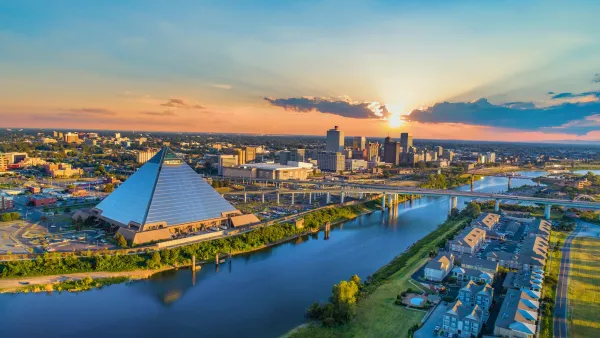
15 US cities and their global namesakes
Hundreds of cities around the United States are named after other places. We tour a few of them.
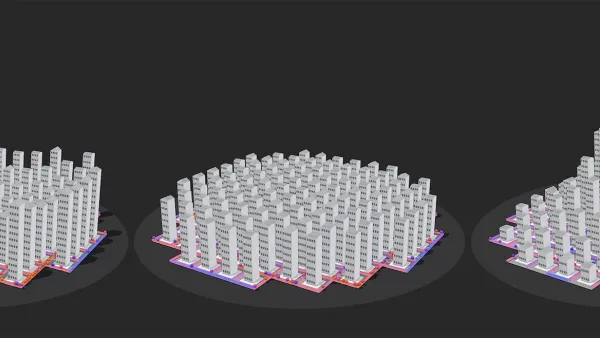
New study visualizes how city shapes impact mobility
Whether circular or linear, the shape and layout of cities affects how their residents get around.

Planetizen Federal Action Tracker
A weekly monitor of how Trump’s orders and actions are impacting planners and planning in America.

Eastern Nebraska is running out of electricity
Data centers and electrification are straining eastern Nebraska’s grid, throttling economic development.

Study reveals best places in the U.S. for cycling, walking
New research from Streetlight Data examines bicycle and pedestrian miles per capita in the 100 largest U.S. cities by population.

Next-generation nuclear reactors are coming to Texas
The reactors will not require towering containment structures thanks to new safety features.

California distributes $1.3 billion to prevent transit service cuts, bolster projects
Twenty-eight projects across California received a portion of the funding.

Pennsylvania Democrats have 15 affordability, clean energy bills for flipped state Senate
Bills in consideration include a bill supporting geothermal energy and a bill supporting solar on warehouses.

FREE Course: Walkable City 1: Why Walkability?
After describing his path towards focusing on walkability as the essence of good planning, Jeff Speck marches through his five principal reasons for making more walkable places.
Reinventing Malls: Planning Alchemy—Turning Gray Fields Into Gold
The course focuses on the opportunities and imperatives that shape reinvention of mall sites.

City of Charlotte
City of Rosemead
Rutgers University, Edward J. Bloustein School of Planning and Public Policy
University of Michigan School for Environment and Sustainability (SEAS)
Hunter College, City University of New York (CUNY)
The Architects Foundation
City of Cambridge
The Pocatello Development Authority
The Urban Renewal Agency of the City of Pocatello