A new study from the nonprofit research center Good Jobs First looks into how relocation tax breaks for businesses have encouraged sprawl in the Cleveland and Cincinnati metropolitan areas.


"The study cites 164 companies that were given what it called "lucrative property tax breaks" as they moved facilities around within the Cleveland and Cincinnati metro areas. Good Jobs First said the subsidized relocations, affecting an estimated 14,500 workers, 'were overwhelmingly outward bound and by many measures fueled suburban sprawl, especially in the Cleveland region.'
'By dispersing jobs away from the urban cores, the relocations worsened inequalities in wealth and opportunity,' the nonprofit said. 'They moved jobs away from areas hardest hit by plant closings and with higher rates of poverty, unemployment and people of color to more affluent and less diverse areas.'"
The authors suggest that better regional cooperation would prevent such potentially hazardous competition among neighboring cities.
Read the full story: Study indicates subsidized business relocations fuel sprawl in Cleveland area

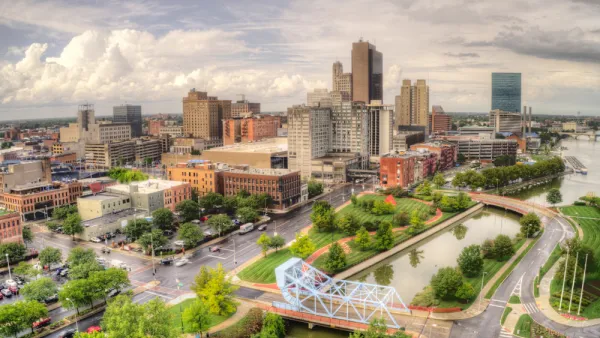
Ohio Approves New Tax Credit and Crowdfunding to Boost Downtown Development
Two pieces of legislation signed by Gov. DeWine promote investment in "legacy" cities.
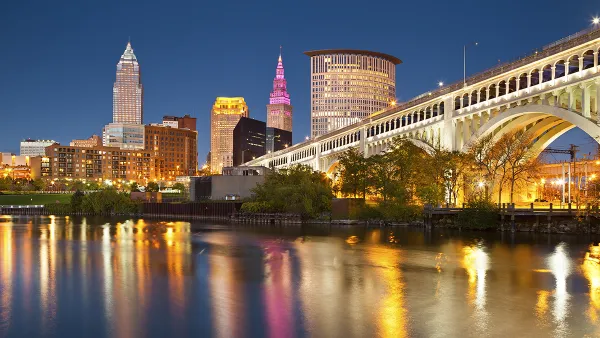
Cleveland City Council Wants More Community Benefits From Developers
A proposed measure would require developers receiving city incentives to provide more benefits to local stakeholders and increase local hiring.
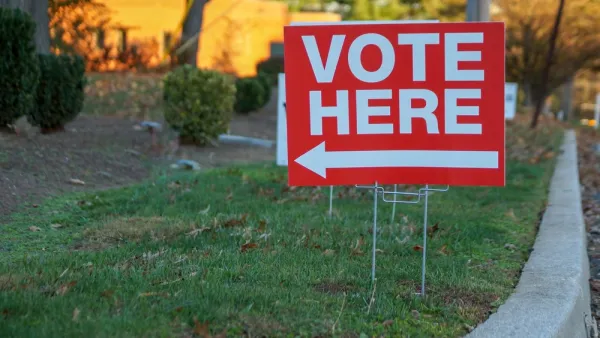
The Crucial Role of Suburban Voters in the Midterms
Suburban voters were instrumental in preventing a 'red wave' on Election Day and on December 6 in the Georgia U.S. Senate runoff election, enabling the Democrats to win a 51st Senate seat.

Planetizen Federal Action Tracker
A weekly monitor of how Trump’s orders and actions are impacting planners and planning in America.

Amtrak, CN end decades-long dispute with eight-year agreement
The new operating agreement establishes an updated framework for the companies to work together, including processes to resolve disputes.

Judges permit Denver to divert 77,000 acre feet from the Colorado River for reservoir expansion
Overuse and climate change have caused the Colorado River’s water levels to plummet.

Boston has spent millions making the Green Line more accessible — and there’s no end in sight
While the city has invested millions into expanding and adding platforms to the Green Line to make it more accessible, new train cars set to arrive next year will be too tall for disabled passengers to board without raising the current platforms.

Idaho may see an 18% drop in federal surface transit funding — the largest estimated cut in the US
Transit systems in rural communities are much more reliant on federal funding to provide their services.

How ‘post-disaster gentrification’ alters neighborhoods after natural calamities
After hurricanes, fires or other calamities, the original residents of a community are often replaced by younger, wealthier residents.

FREE Course: Walkable City 1: Why Walkability?
After describing his path towards focusing on walkability as the essence of good planning, Jeff Speck marches through his five principal reasons for making more walkable places.
Reinventing Malls: Planning Alchemy—Turning Gray Fields Into Gold
The course focuses on the opportunities and imperatives that shape reinvention of mall sites.

City of Wisconsin Rapids
Harvard University Graduate School of Design
KFH Group Inc.
The Architects Foundation
University of Cincinnati Online
The Pocatello Development Authority
The Urban Renewal Agency of the City of Pocatello