Sarah Goodyear notes that while the internet shutdown in Egypt is getting all the attention, the real activism is happening on the streets of Cairo. City streets are the true gathering places for revolution.


Goodyear writes about how some cities are specifically designed to quash revolutions, while others unintentionally encourage activism:
"Certain infrastructure factors can make cities more likely to serve as revolutionary centers. [British Marxist historian Eric] Hobsbawm notes that places where the ruling power is centrally located are especially vulnerable. In Cairo, the headquarters of Hosni Mubarak's National Democratic Party -- right in the heart of town -- was gutted by fire early in the protests. That destruction made an unforgettable visual statement that reverberated around Egypt and the world.
The ability of the protesters to take control of other key pieces of Cairo's infrastructure and public space has been crucial to the movement in the past few days."
Read the full story: In Egypt, you can switch off the internet but not the streets


Children in 55 countries are redesigning their cities in Minecraft
A U.N.-backed program lets students and community members reimagine sites in their neighborhoods in the game — and translate them into real-life buildings.
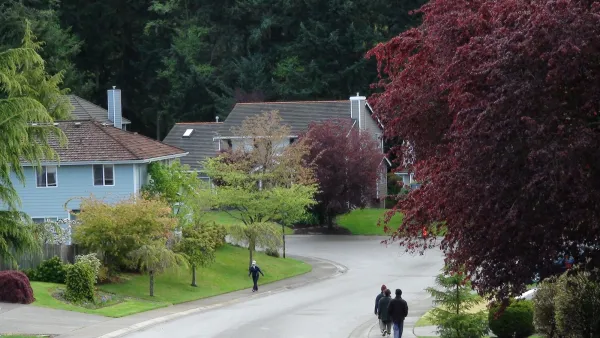
Move over, zoning. Housing’s unsung hero is better street design.
The physical layout of infrastructure is the quiet force that shapes housing supply.
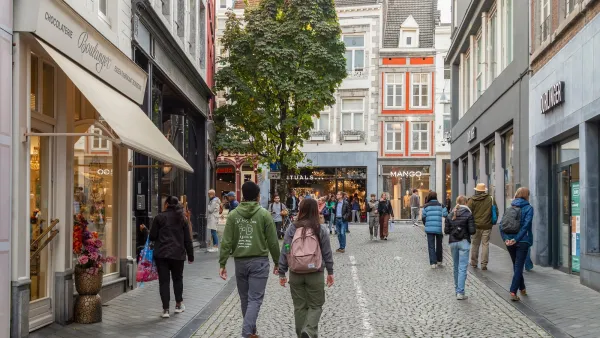
Planning for Love, Part 3: Enhancing human connection through walkability
In the third and final installment of this series, author Hannah Kosoff examines what her research findings say about modern dating and urban form.

Planetizen Federal Action Tracker
A weekly monitor of how Trump’s orders and actions are impacting planners and planning in America.

Amtrak, CN end decades-long dispute with eight-year agreement
The new operating agreement establishes an updated framework for the companies to work together, including processes to resolve disputes.

Judges permit Denver to divert 77,000 acre feet from the Colorado River for reservoir expansion
Overuse and climate change have caused the Colorado River’s water levels to plummet.

Atlanta City Council unanimously backs $3.5 billion Beltline light rail project
The resolution was drafted after Atlanta Mayor Andre Dickens pulled support for the Atlanta Streetcar extension last year.

SEPTA to bring nearby frequent transit to over 1 million new riders as part of decade-long plan
The agency's Accelerate plan will also bring frequent transit to twice the amount of jobs that are currently located near it.

NYC plants over 18,000 trees, the most new foliage in a decade
Many of the trees were planted in communities vulnerable to extreme heat.

FREE Course: Walkable City 1: Why Walkability?
After describing his path towards focusing on walkability as the essence of good planning, Jeff Speck marches through his five principal reasons for making more walkable places.
Reinventing Malls: Planning Alchemy—Turning Gray Fields Into Gold
The course focuses on the opportunities and imperatives that shape reinvention of mall sites.

City of Wisconsin Rapids
Harvard University Graduate School of Design
KFH Group Inc.
The Architects Foundation
University of Cincinnati Online
The Pocatello Development Authority
The Urban Renewal Agency of the City of Pocatello