Fast Company runs down a list of the "smartest" cities in the world. First place goes to Songdo City, in South Korea.


"The world's most expensive privately developed city (cost: $35 billion and climbing) is also the flagship of Cisco's Smart + Connected Communities initiative, which some analysts believe will eventually propel the company to an incredible $100 billion in revenue. The instant city was the star of Cisco's pavilion at Expo 2010 in Shanghai this summer, which hosted seemingly every mayor in China. Songdo will be the test bed Cisco's vision of ubiquitious telepresence – several thousand homes are being equipped with interactive, two-way screens. Cisco also signed a deal this fall with the surrounding city of Incheon to wire the stadiums for the Asian Games in 2014."
Other cities on the list include Lavasa, India and Skolkova, Russia.
Read the full story: The 10 Smartest Cities on the Planet [Slideshow]

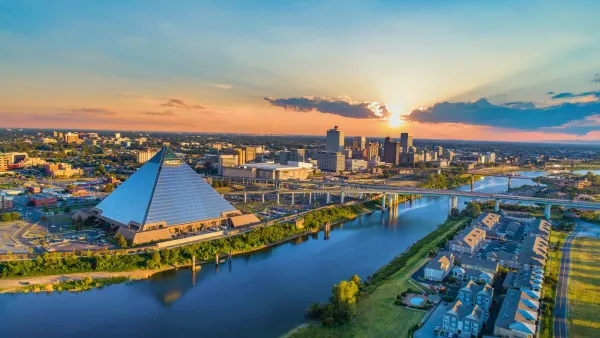
15 US cities and their global namesakes
Hundreds of cities around the United States are named after other places. We tour a few of them.
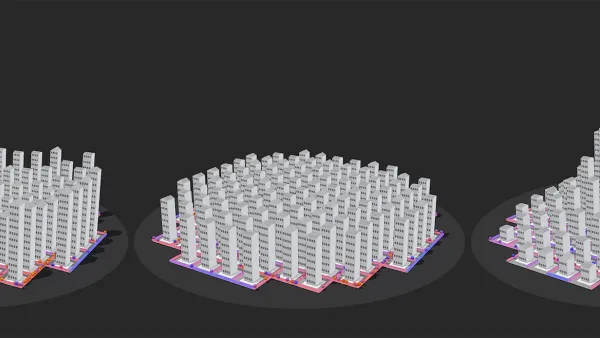
New study visualizes how city shapes impact mobility
Whether circular or linear, the shape and layout of cities affects how their residents get around.
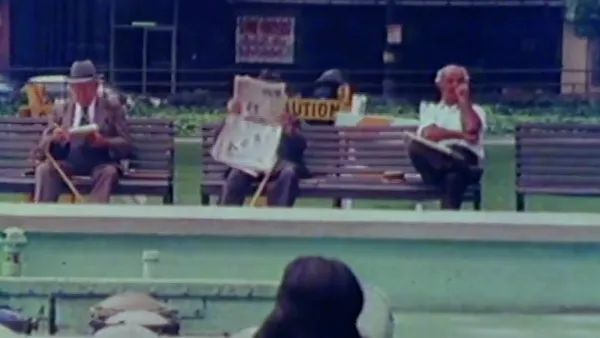
William Whyte’s Seminal Urban Film Restored
‘The Social Life of Small Urban Spaces’ changed the way planners view public space and ushered in a new way of understanding urban patterns.

Planetizen Federal Action Tracker
A weekly monitor of how Trump’s orders and actions are impacting planners and planning in America.

Amtrak, CN end decades-long dispute with eight-year agreement
The new operating agreement establishes an updated framework for the companies to work together, including processes to resolve disputes.

Judges permit Denver to divert 77,000 acre feet from the Colorado River for reservoir expansion
Overuse and climate change have caused the Colorado River’s water levels to plummet.

Idaho may see an 18% drop in federal surface transit funding — the largest estimated cut in the US
Transit systems in rural communities are much more reliant on federal funding to provide their services.

How ‘post-disaster gentrification’ alters neighborhoods after natural calamities
After hurricanes, fires or other calamities, the original residents of a community are often replaced by younger, wealthier residents.

Maryland local governments examine if they should have more power to raise property taxes
Maryland’s housing market is out of reach for the majority of moderate-income residents.

FREE Course: Walkable City 1: Why Walkability?
After describing his path towards focusing on walkability as the essence of good planning, Jeff Speck marches through his five principal reasons for making more walkable places.
Reinventing Malls: Planning Alchemy—Turning Gray Fields Into Gold
The course focuses on the opportunities and imperatives that shape reinvention of mall sites.

Harvard University Graduate School of Design
KFH Group Inc.
Greater Baltimore Committee
The Architects Foundation
University of Cincinnati Online
The Pocatello Development Authority
The Urban Renewal Agency of the City of Pocatello