Poverty is high and rising in rural areas across America. But there are also significant differences in the extent of that poverty, depending on the region.


The Daily Yonder pores through data from the U.S. Census Bureau to show how poverty is growing in rural America, and how that poverty ranges.
"Rural, urban and exurban poverty rates were higher in 2009 than before the recession began in late 2007. The 2009 rates for urban, rural and exurban counties were all about one percentage point higher than the rates in 2006.
There were 8.3 million people living below the poverty line in rural counties in 2009, half a million more than in 2006.
Nationally 42.4 million people fell below the poverty line in 2009, 4 million more than before the recession began."
Read the full story: Poverty Highest in Rural America, Rising in Recession

New Census Data Shows Lack of Improvement on Income, Poverty
While the Census Bureau reported impressive findings on the reduction of Americans without health insurance last year, there was nothing impressive in the numbers on income and poverty, notwithstanding an increase in employment.
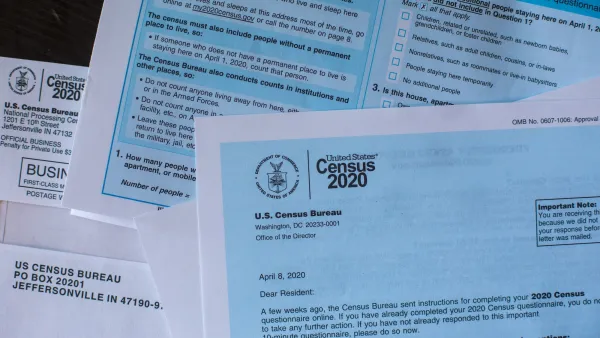
Republicans are Pushing to Make the American Community Survey Voluntary. History Shows That’s a Death Sentence for Data.
A voluntary survey will make demographic data “less accurate, less available, and less useful” — and for some rural communities, “a total blackout.”
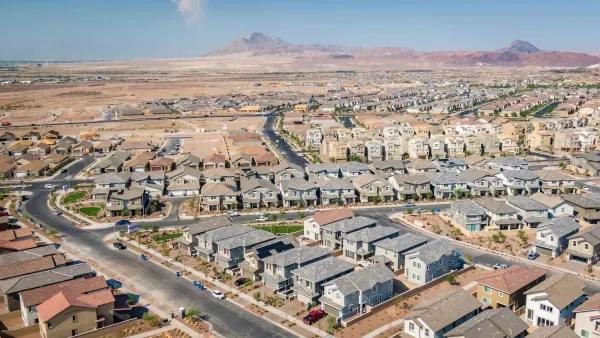
US Census Releases Most Accurate, Granular Housing Data Yet
A new measurement tool eliminates the inaccuracies that have plagued data about housing supply, helping governments more clearly understand how housing policies are impacting local needs.

Planetizen Federal Action Tracker
A weekly monitor of how Trump’s orders and actions are impacting planners and planning in America.

Amtrak, CN end decades-long dispute with eight-year agreement
The new operating agreement establishes an updated framework for the companies to work together, including processes to resolve disputes.
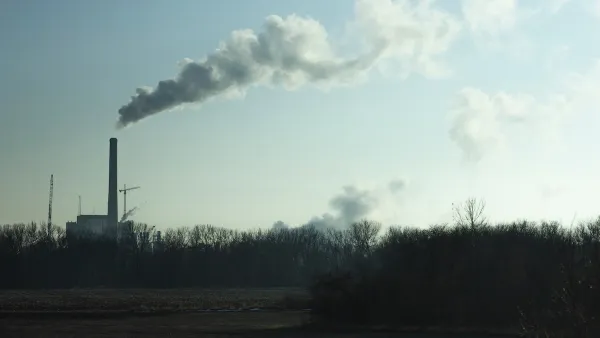
Nation's most wind-powered state turns to coal as data centers increase energy demand
For the first time in decades, Iowa has increased its generation of coal power.

Alabama scores up to $2.5 billion federal loan for largest infrastructure project in state’s history
The Mobile River Bridge and Bayway Project aims to ease congestion at Alabama’s worst bottleneck.

Trump is considering data centers on 6 states' public land — some state officials say they had no idea
If the administration approves the proposed projects, data center and data center-related developments will cover 17,600 acres of public land.

Despite court ruling, Trump is keeping nearly all wind projects in the US on hold
At least 110 wind energy projects have not heard from the government since a federal judge ruled that the Trump administration's freeze on wind turbine clearances was likely illegal.

FREE Course: Walkable City 1: Why Walkability?
After describing his path towards focusing on walkability as the essence of good planning, Jeff Speck marches through his five principal reasons for making more walkable places.
Reinventing Malls: Planning Alchemy—Turning Gray Fields Into Gold
The course focuses on the opportunities and imperatives that shape reinvention of mall sites.

KFH Group Inc.
Greater Baltimore Committee
Eagle County Government
The Architects Foundation
University of Cincinnati Online
The Pocatello Development Authority
The Urban Renewal Agency of the City of Pocatello